
Healthy Aging Starts with Healthy Mobility
One of the strongest predictors of healthy aging is not laboratory testing or expensive technology.
It is the ability to move comfortably and confidently.
Mobility influences nearly every aspect of daily life.
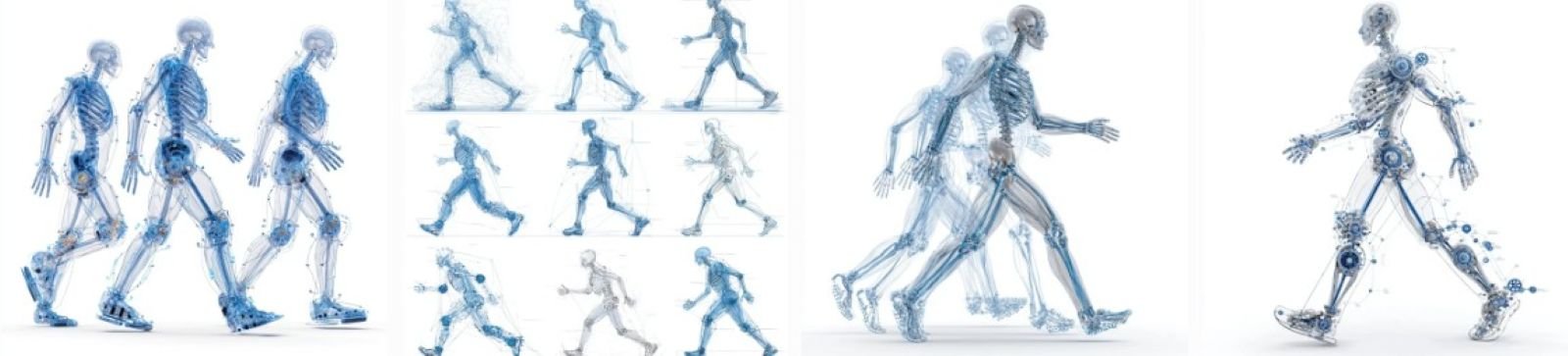
Mobility Is Independence
Walking across a room.
Climbing stairs.
Carrying groceries.
Playing with grandchildren.
Traveling.
These ordinary activities depend on integrated joint function.

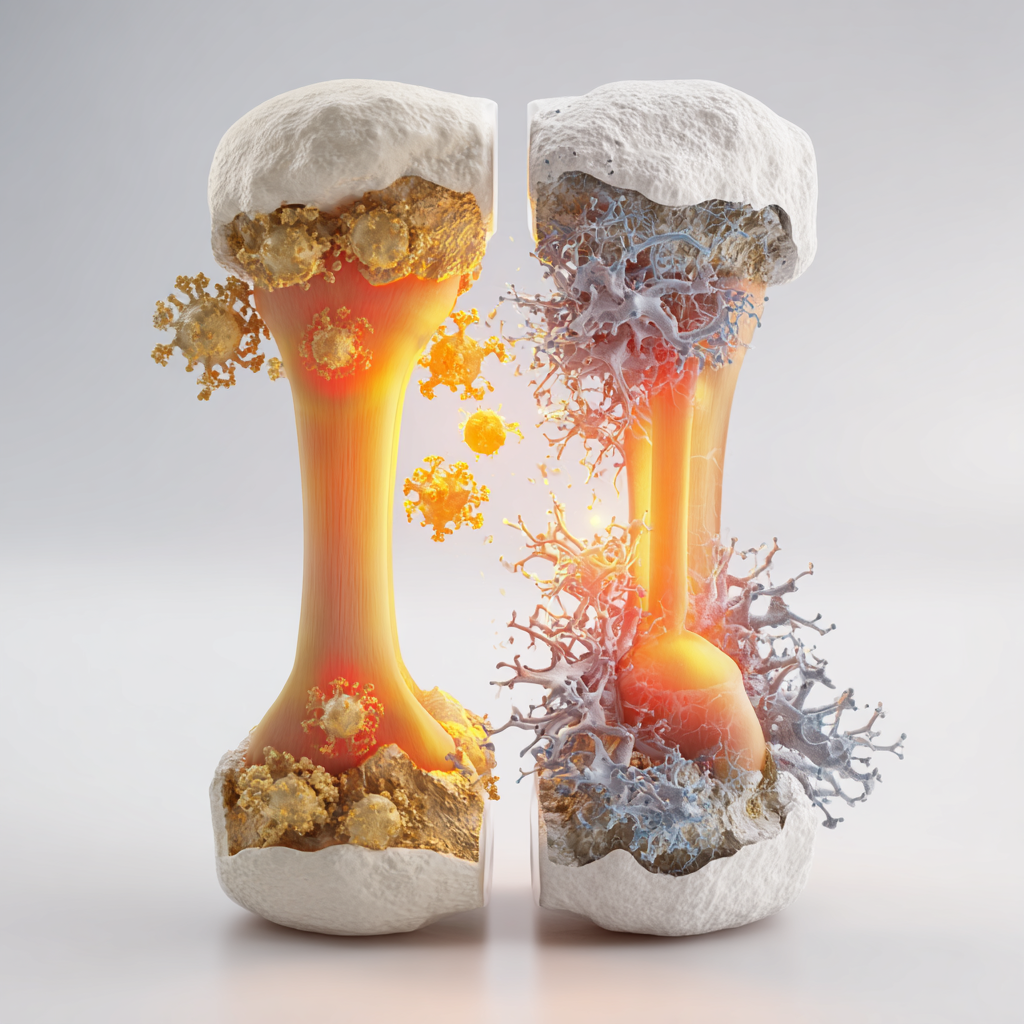
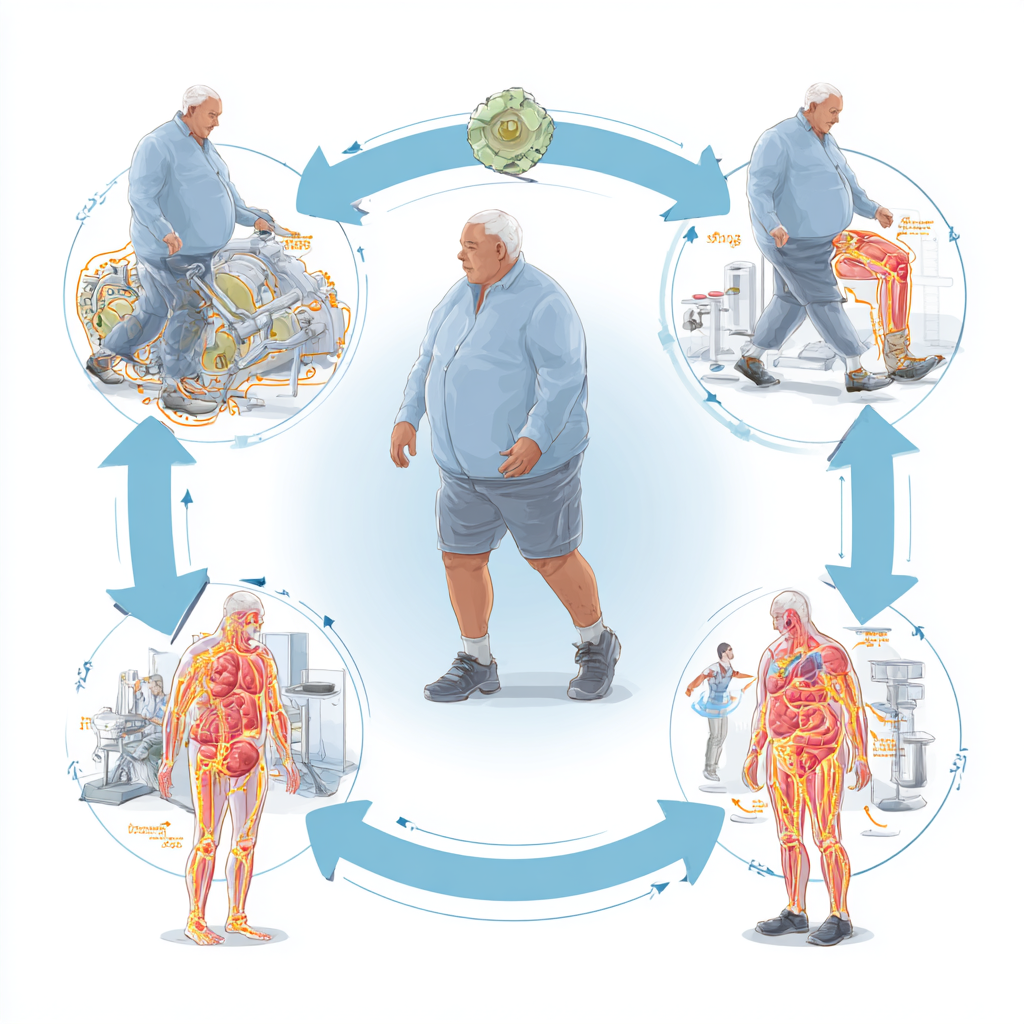
The Mobility Cascade
Reduced movement often creates a vicious cycle.
Pain leads to inactivity.
Inactivity weakens muscles.
Weak muscles increase joint stress.
Movement becomes even more difficult.
Breaking this cycle early may preserve long-term function.
Balance and Fall Prevention
Falls become increasingly common with age.
Strong muscles, flexible joints, and good coordination all reduce fall risk.
Simple exercises such as:
- Single-leg standing
- Heel raises
- Sit-to-stand movements
- Walking
can support functional balance.
Falls become increasingly common with age.
Strong muscles, flexible joints, and good coordination all reduce fall risk.
Simple exercises such as:
- Single-leg standing
- Heel raises
- Sit-to-stand movements
- Walking
can support functional balance.
Social Benefits
Mobility supports:
- Community participation
- Exercise classes
- Outdoor recreation
- Family activities
Remaining active promotes both physical and emotional well-being.


Covery Matters
Recovery includes:
- Sleep
- Nutrition
- Hydration
- Stress management
- Appropriate rest
Recovery allows tissues to adapt positively to movement.
Small Habits Create Large Results
Five minutes of stretching.
Ten minutes of walking.
Two strength sessions each week.
Regular posture breaks.
These small actions compound over months and years.
Healthy aging is rarely built through dramatic interventions.
It is built through consistent daily movement.
Start protecting your mobility today — one small step can support stronger joints, better movement, and healthier aging.