
Stress, Sleep, and the Metabolic Connection
Many people focus exclusively on calories while overlooking two of metabolism’s most important regulators:
Beyond Calories: How Stress and Sleep Shape Metabolic Health
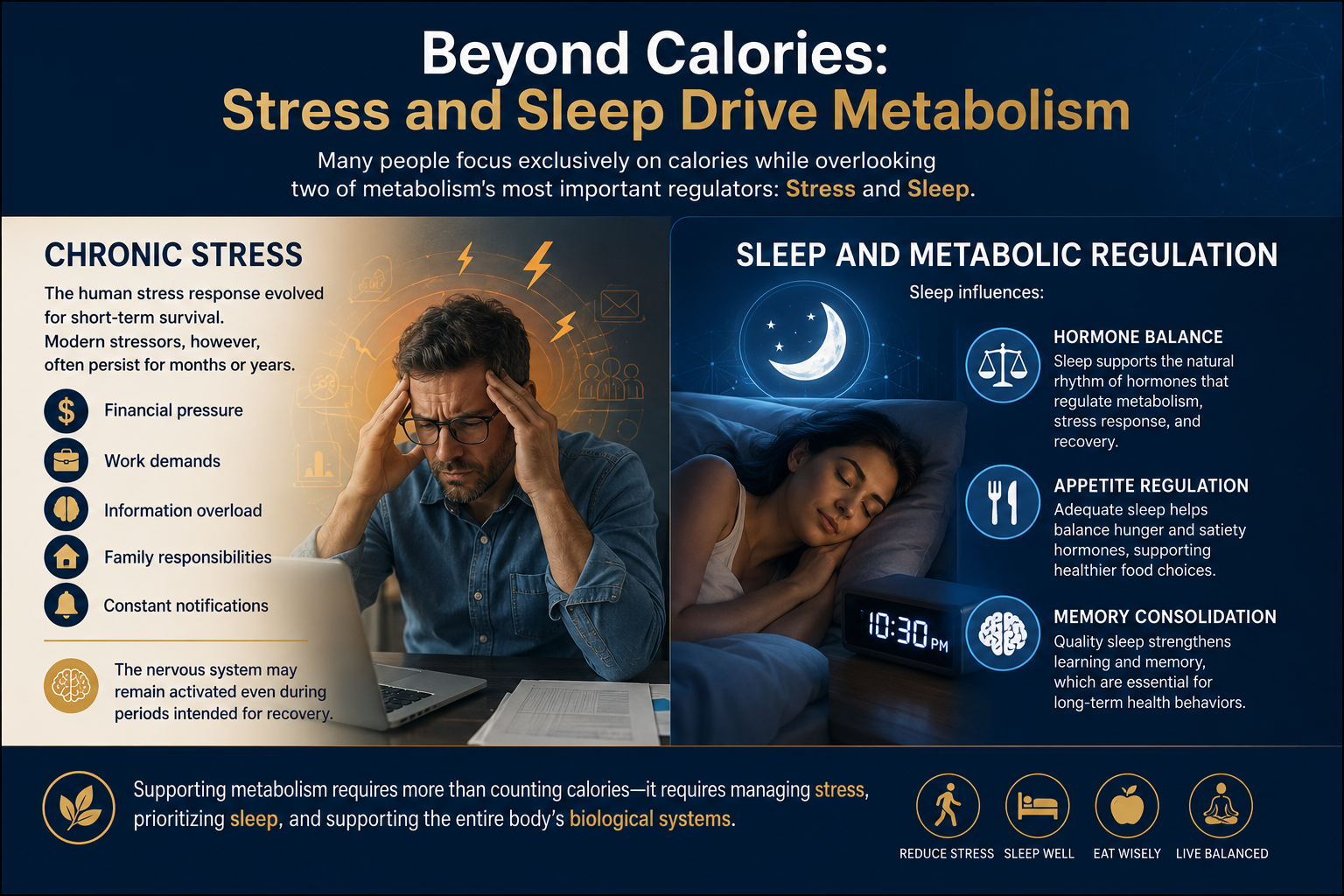
Many people associate metabolism primarily with calorie intake and physical activity. However, two of the body’s most influential metabolic regulators are often overlooked: chronic stress and quality sleep. Metabolism is governed by an interconnected biological network involving the brain, hormones, the nervous system, and cellular energy production.
When stress becomes chronic, the body’s survival response may remain activated far longer than intended. Ongoing financial concerns, demanding work schedules, family responsibilities, constant digital notifications, and information overload can keep the nervous system in a prolonged state of alertness. Over time, this persistent stress may influence appetite, energy balance, recovery, and overall metabolic function.
Sleep is equally essential for maintaining metabolic health. During healthy sleep, the body regulates hormones involved in hunger and satiety, supports glucose metabolism, strengthens memory consolidation, and promotes cellular repair. Insufficient or disrupted sleep may interfere with these natural processes, making it more difficult to maintain consistent energy levels and healthy lifestyle habits.
Rather than focusing exclusively on calories, a systems-based approach recognizes that stress management, restorative sleep, balanced nutrition, regular physical activity, and healthy daily routines work together to support long-term metabolic resilience. Sustainable health is built by supporting the body’s interconnected biological systems, not by relying on any single strategy alone.
Stress and sleep.
Chronic Stress
The human stress response evolved for short-term survival.
Modern stressors, however, often persist for months or years.
Examples include:
Financial pressure
Work demands
Information overload
Family responsibilities
Constant notifications
The nervous system may remain activated even during periods intended for recovery.
Sleep and Metabolic Regulation
Sleep influences:
Hormone balance
Appetite regulation
Memory consolidation
Immune function
Blood sugar control
Muscle recovery
Even short-term sleep restriction has been associated with reduced insulin sensitivity and increased hunger signals.
The Sleep-Stress Loop
Poor sleep increases stress sensitivity.
Higher stress disrupts future sleep.
Fatigue reduces motivation to exercise.
Reduced activity influences metabolism.
Breaking the cycle often begins with small routines.
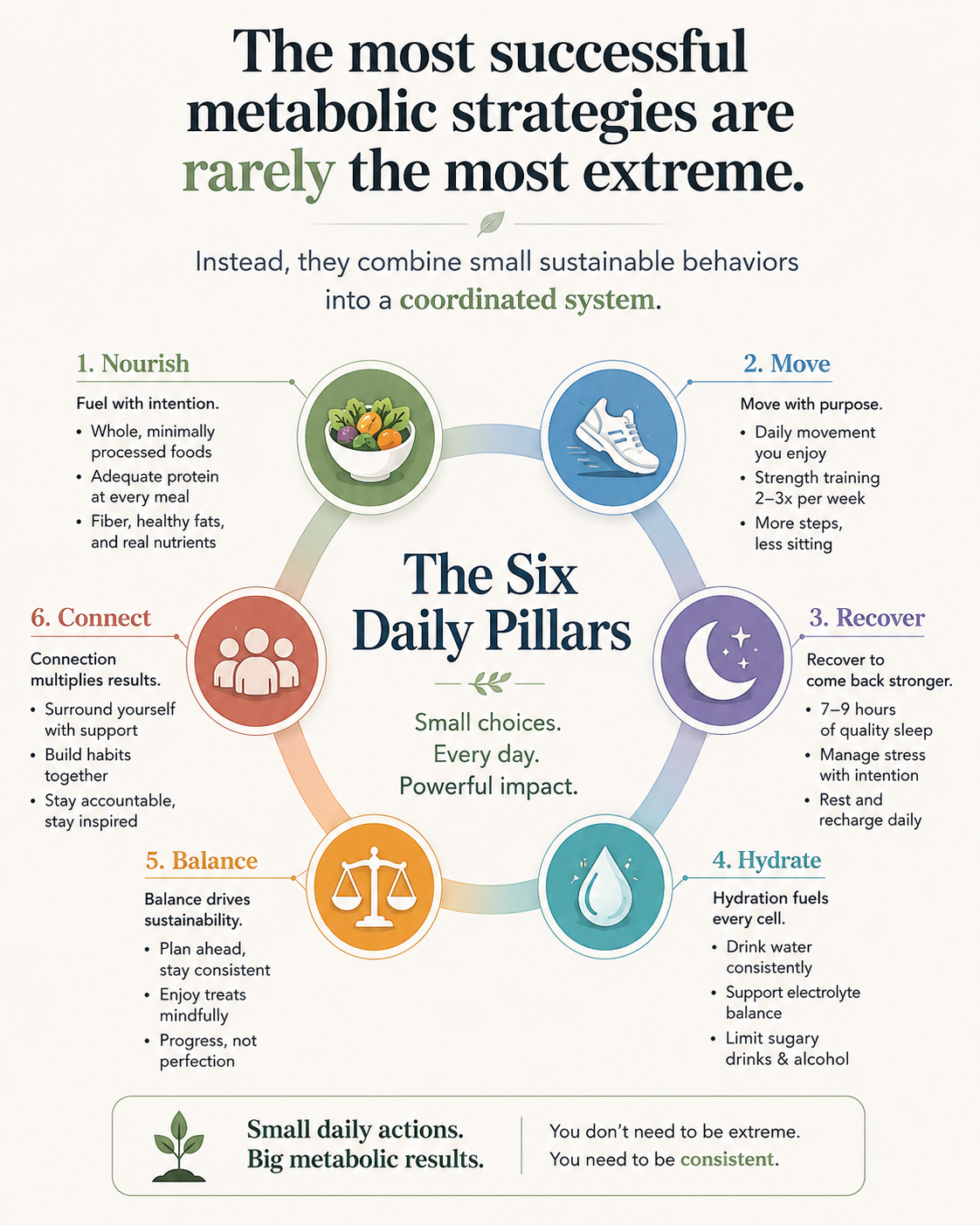
Helpful Habits
Maintain consistent sleep schedules.
Reduce evening screen exposure.
Create a cool, quiet bedroom.
Practice slow breathing before bed.
Spend time outdoors during daylight.
Engage in regular physical activity.
These strategies support nervous system balance without requiring expensive interventions.
Recovery Is Productive
Modern culture often celebrates constant productivity.
Human biology requires recovery.
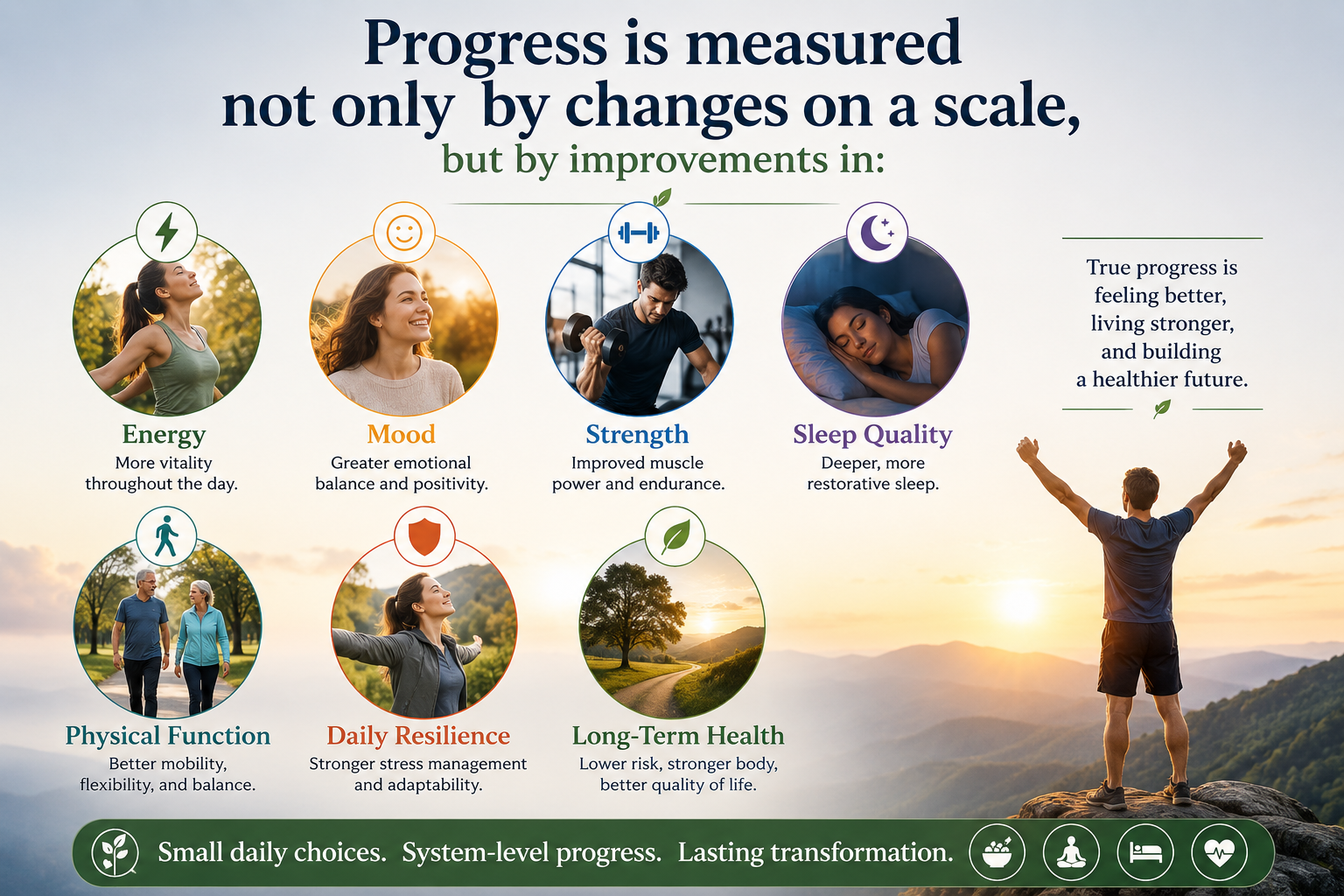
Moments of intentional rest allow the nervous system to shift toward restoration, creating conditions that support healthier metabolic function.
Your metabolism is not broken forever.
With the right daily habits, the body can often restore healthier energy balance, improve fat-burning efficiency, and support long-term metabolic resilience naturally.