
Building Cognitive Resilience for Life
The Brain Energy Reset in Everyday Practice
There is no single habit that guarantees lifelong cognitive vitality.
Instead, resilience emerges from the interaction of many small choices repeated consistently over time.
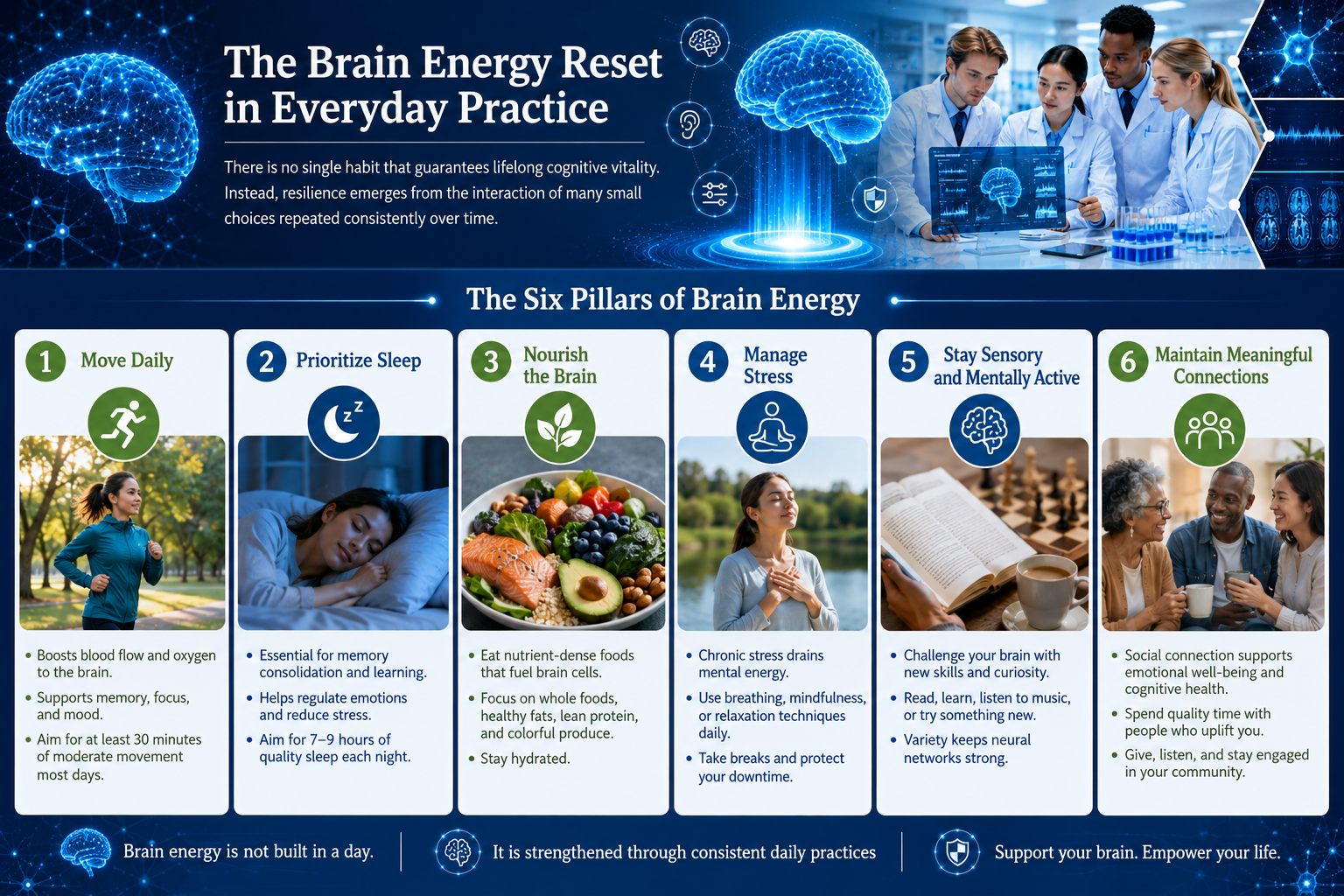
Figure 1. The Brain Energy Reset in Everyday Practice
Maintaining long-term cognitive vitality is rarely the result of a single intervention. Modern neuroscience increasingly recognizes that brain health emerges from the interaction of multiple lifestyle factors working together over time. The Brain Energy Reset framework highlights six foundational pillars that may help support mental performance, resilience, and healthy aging.
Daily movement promotes circulation, oxygen delivery, and mitochondrial energy production throughout the brain. Quality sleep allows memory consolidation, emotional processing, and cellular recovery. Nutrition provides the essential nutrients required for neurotransmitter production, metabolic balance, and neural maintenance.
Stress management is equally important. Chronic stress may increase cognitive fatigue and reduce mental clarity, while relaxation practices may help restore nervous system balance. Continuous learning and sensory engagement stimulate neuroplasticity, encouraging the brain to adapt and form new connections throughout life. Finally, meaningful social relationships support emotional well-being, cognitive function, and overall quality of life.
Rather than focusing on quick fixes, this systems-based approach emphasizes small, sustainable habits practiced consistently. Over months and years, these daily behaviors may contribute to greater cognitive resilience, improved mental energy, and healthier brain aging. Brain vitality is not built through perfection, but through steady, intentional actions that support the entire brain-body network across the lifespan.
The Six Pillars of Brain Energy
1. Move Daily
Exercise improves:
- Blood flow
- Neuroplasticity
- Mitochondrial function
- Mood
2. Sleep Deeply
Recovery strengthens learning and repair.
3. Eat for Stability
Prioritize nutrient-dense, minimally processed foods.
4. Reduce Chronic Stress
Cultivate practices that restore balance.
Examples include:
- Meditation
- Breathing exercises
- Prayer
- Nature exposure
- Social connection
5. Challenge the Brain
Lifelong learning promotes adaptability.
Consider:
- Reading
- Language learning
- Music
- Creative pursuits
- Problem-solving
6. Protect Relationships
Social engagement predicts healthier aging.
Isolation increases vulnerability.
Connection strengthens resilience.
Redefining Successful Aging
Healthy aging is not the absence of all decline.
It is preserving function, meaning, and independence for as long as possible.
It means:
- Thinking clearly.
- Adapting to change.
- Recovering from setbacks.
- Continuing to contribute.
A Systems-Based Reset
The Brain Energy Reset is not a quick fix.
It is a framework for understanding how interconnected systems shape cognitive health.
Small improvements in multiple domains may generate meaningful benefits over time.
The Future of Brain Health
Emerging fields such as precision prevention, biomarker intelligence, and personalized medicine may eventually transform how we assess cognitive risk.

Figure 2. The Future of Brain Health The future of brain health may look very different from today. Advances in precision prevention, biomarker intelligence, artificial intelligence, neuroimaging, and personalized medicine are creating new opportunities to better understand cognitive aging long before significant symptoms appear. Researchers increasingly envision a future where individual risk profiles can help guide targeted lifestyle strategies, allowing prevention to begin years or even decades earlier. Emerging technologies may eventually track patterns related to sleep quality, metabolic health, inflammation, vascular function, and neurological resilience in ways that are more personalized and predictive than ever before. As our understanding of the brain expands, healthcare may shift from a reactive model toward one focused on early detection, continuous monitoring, and proactive intervention.
Yet despite these technological advances, the foundations of brain health remain remarkably consistent. Regular movement supports circulation and neural plasticity. Quality sleep enables restoration and memory consolidation. Nutritious food provides the energy required for healthy brain function. Effective stress management helps preserve mental resilience. Lifelong learning stimulates cognitive adaptability, while meaningful social connections contribute to emotional and neurological well-being. The future of cognitive wellness may become increasingly sophisticated, but the core principles remain timeless: move regularly, sleep sufficiently, nourish wisely, manage stress, stay curious, and stay connected. These everyday practices continue to form the foundation of a resilient and healthy brain.
Yet the fundamentals remain remarkably consistent:
- Move regularly.
- Sleep sufficiently.
- Nourish wisely.
- Manage stress.
- Stay curious.
- Stay connected.
Final Thoughts
The aging brain is not merely a story of inevitable decline.
It is also a story of adaptation, resilience, and possibility.
Learn continuously. Adapt intelligently. Remain resilient. And thrive across the decades ahead.
Figure 3. The aging brain is not merely a story of inevitable decline.
It is also a story of adaptation, resilience, and possibility.
Throughout life, the brain continuously responds to experience, environment, behavior, and biological change. Even as certain functions naturally evolve with age, the nervous system retains an extraordinary capacity for adaptation. Scientists increasingly recognize that cognitive health is influenced not by a single factor, but by the combined effects of sleep, physical activity, nutrition, metabolic health, stress regulation, social engagement, and lifelong learning.
The brain remains one of the body’s most energy-demanding organs. Supporting the systems that generate, deliver, and efficiently utilize energy may help preserve mental clarity, attention, memory, and overall cognitive performance. Healthy circulation, mitochondrial function, restorative sleep, and balanced metabolic regulation all contribute to the conditions that allow neural networks to function optimally.
Perhaps most importantly, brain health is not solely about avoiding decline—it is about maintaining the capacity to think, learn, create, connect, and adapt throughout the lifespan.
By supporting the biological systems that generate and sustain energy, we may help the brain do what it was designed to do throughout life:
By supporting the biological systems that generate and sustain energy, we may help the brain do what it was designed to do throughout life:
Learn.
Remember.
Connect.
And continue to flourish.
Systems-Based Wellness Guides for The Brain Energy Reset, Mobility, and Healthy Aging