
Chronic Inflammation: Understanding One of the Hidden Drivers of Aging
Topics
- Acute vs chronic inflammation
- Immune regulation
- Oxidative stress
- Lifestyle influences
- Prevention strategies
Inflammation Reset Blueprint
Understanding Inflammation: From Protection to Prevention
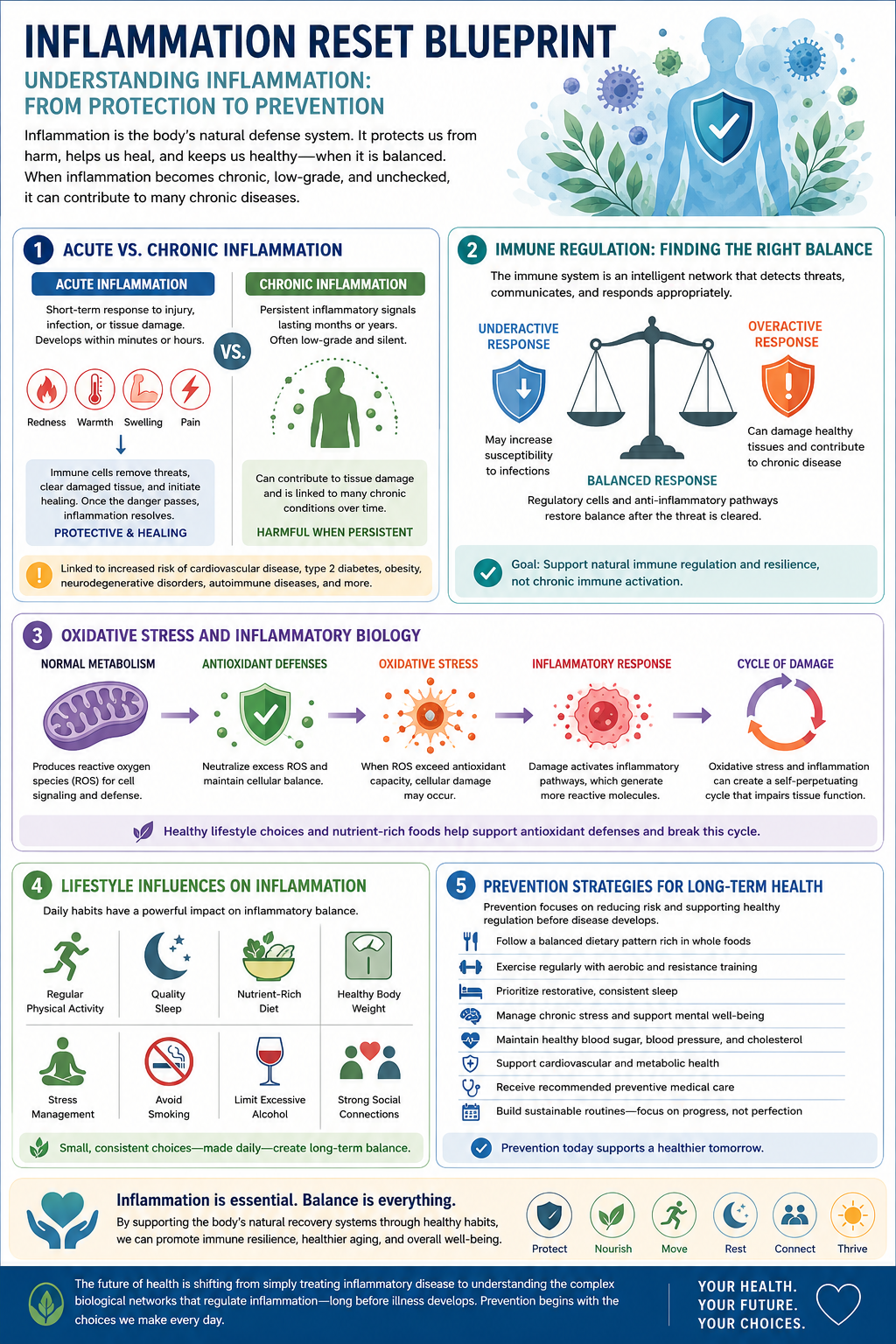
Inflammation is one of the body’s most essential biological defense mechanisms. Without it, even minor injuries or infections could become life-threatening. Yet inflammation is often misunderstood. It is not inherently harmful—its effects depend largely on its duration, intensity, and regulation.
Modern research increasingly recognizes that the transition from healthy, short-term inflammation to persistent, low-grade chronic inflammation may contribute to many of today’s most common chronic diseases. Understanding this distinction is an important step toward supporting long-term health.
Acute vs. Chronic Inflammation
Not all inflammation is the same.
Acute inflammation is the body’s rapid response to injury, infection, or tissue damage. It usually develops within minutes or hours and is characterized by redness, warmth, swelling, pain, and temporary loss of function. During this phase, immune cells travel to the affected area, remove damaged tissue, eliminate pathogens, and begin the healing process.
Once repair is complete, healthy inflammatory pathways naturally switch off, allowing tissues to recover.
Chronic inflammation, however, develops when inflammatory signals persist for months or even years. Rather than helping repair tissue, long-term immune activation may gradually disrupt normal cellular function. Unlike acute inflammation, chronic inflammation often produces few noticeable symptoms while quietly affecting multiple organ systems over time.
Researchers have linked persistent low-grade inflammation with increased risk for cardiovascular disease, type 2 diabetes, obesity, neurodegenerative disorders, autoimmune diseases, and age-related functional decline. Although inflammation alone rarely causes these conditions, it may interact with genetics, metabolism, lifestyle, and environmental exposures to influence disease progression.
Immune Regulation: Finding the Right Balance
The immune system functions much like an intelligent communication network rather than a simple defense force. Immune cells constantly exchange chemical messages, monitor tissues, recognize potential threats, and coordinate appropriate responses.
Healthy immunity depends on balance.
An underactive immune response may leave the body vulnerable to infection, while an overactive response can damage healthy tissues and contribute to chronic inflammatory conditions. Regulatory immune cells, specialized signaling molecules, and anti-inflammatory pathways work together to restore equilibrium after an immune challenge.
Supporting this natural regulation involves maintaining overall physiological health rather than attempting to suppress inflammation completely. The goal is resilience—not constant immune activation.
Oxidative Stress and Inflammatory Biology
Oxidative stress and inflammation are closely interconnected biological processes.
Normal metabolism continuously produces reactive oxygen species (ROS), which play important roles in cell signaling and immune defense. Under healthy conditions, antioxidant systems neutralize excess ROS and maintain cellular balance.
However, when oxidative stress exceeds the body’s antioxidant capacity, cellular proteins, lipids, and DNA may become damaged. This damage can activate inflammatory pathways, while inflammation itself generates additional oxidative molecules. Together they may create a self-perpetuating cycle that gradually impairs tissue function.
Fortunately, the body possesses sophisticated antioxidant defenses that can be supported through healthy lifestyle habits, nutrient-rich foods, adequate sleep, and regular physical activity.
How Immune Cells Coordinate Tissue Protection?

This illustration visualizes inflammation at the cellular level, highlighting the dynamic interactions between immune cells, signaling molecules, and surrounding tissues. The glowing particles and interconnected cellular structures symbolize the body’s highly coordinated inflammatory response, where immune cells communicate through chemical messengers to identify potential threats, remove damaged cells, and initiate tissue repair. Under healthy conditions, these processes are tightly regulated and resolve once healing is complete. However, when inflammatory signaling becomes persistent, cellular communication may become dysregulated, contributing to oxidative stress and prolonged immune activation. The artwork emphasizes that inflammation is not inherently harmful but represents a complex biological defense system requiring careful balance. Maintaining this balance through healthy lifestyle habits supports immune resilience, tissue recovery, and long-term physiological health.
Lifestyle Influences on Inflammation
Daily behaviors strongly influence inflammatory balance throughout the body.
Several lifestyle factors have been associated with healthier inflammatory regulation:
- Regular physical activity
- Consistent, high-quality sleep
- A diet rich in vegetables, fruits, legumes, whole grains, and healthy fats
- Healthy body weight and metabolic function
- Effective stress management
- Avoidance of smoking
- Limiting excessive alcohol intake
- Strong social relationships and emotional well-being
No single habit determines inflammatory health on its own. Instead, multiple small behaviors interact continuously within the body’s interconnected biological systems.
Prevention Strategies for Long-Term Health
Modern preventive medicine increasingly focuses on reducing chronic disease risk before symptoms develop. Rather than waiting for inflammation-related disorders to appear, prevention emphasizes maintaining healthy biological regulation throughout life.
Evidence-based prevention strategies include:
- Following a balanced dietary pattern
- Exercising regularly with both aerobic and resistance training
- Prioritizing restorative sleep
- Managing chronic psychological stress
- Maintaining healthy blood sugar and blood pressure
- Supporting cardiovascular and metabolic health
- Receiving recommended preventive medical care
- Building sustainable daily routines instead of relying on quick fixes
Inflammation is neither an enemy nor something to eliminate completely. It is an essential part of human biology that requires careful regulation. By supporting the body’s natural recovery systems through consistent healthy habits, individuals can help promote immune resilience, healthier aging, and overall well-being.
How Nutrition Supports Immune Balance and Healthy Aging?

This vibrant illustration presents nutrition as a powerful foundation for regulating inflammation and supporting whole-body health. A glowing human silhouette walks through a landscape abundant with colorful fruits, vegetables, fish, olive oil, herbs, nuts, and other nutrient-dense foods, symbolizing the close relationship between dietary choices and the body’s biological systems. Rather than focusing on a single “superfood,” the artwork emphasizes that long-term wellness emerges from the combined influence of diverse, minimally processed foods working together.
Many of the featured ingredients are naturally rich in vitamins, minerals, fiber, healthy fats, and plant phytochemicals that contribute to normal immune function and help maintain the body’s antioxidant defenses. Fatty fish and olive oil represent sources of omega-3 fatty acids and monounsaturated fats, while berries, leafy greens, cruciferous vegetables, garlic, onions, and colorful produce provide polyphenols and other bioactive compounds associated with healthy inflammatory balance.
The illuminated pathway surrounding the individual reflects the idea that every healthy meal becomes part of a lifelong journey toward resilience rather than an instant solution. Together with regular physical activity, restorative sleep, stress management, and healthy metabolic function, nutritious eating supports the body’s natural ability to regulate immune responses, protect cells from oxidative stress, and promote healthy aging. The image illustrates that prevention begins with consistent daily lifestyle choices that nourish the entire biological system.
The future of health is shifting from simply treating inflammatory disease toward understanding the complex biological networks that regulate inflammation long before illness develops. Prevention begins with the choices we make every day.
Understanding the science behind longevity is the first step toward making more informed health decisions. The Longevity Blue Book brings together evidence-informed research, systems biology, and preventive medicine into one accessible learning resource. Whether you are exploring healthy aging, improving your understanding of human physiology, or building a stronger foundation for lifelong wellness, this guide offers a practical framework to help you see the bigger picture of health.
CTA
Discover why inflammation affects nearly every organ system.