
Heat and Circulation
Many castor oil packs involve heat therapy.
Heat itself may:
- increase local circulation
- relax muscles
- reduce stiffness
- calm the nervous system
- improve comfort
Some benefits people attribute to castor oil may partially come from the combined effects of warmth and rest.
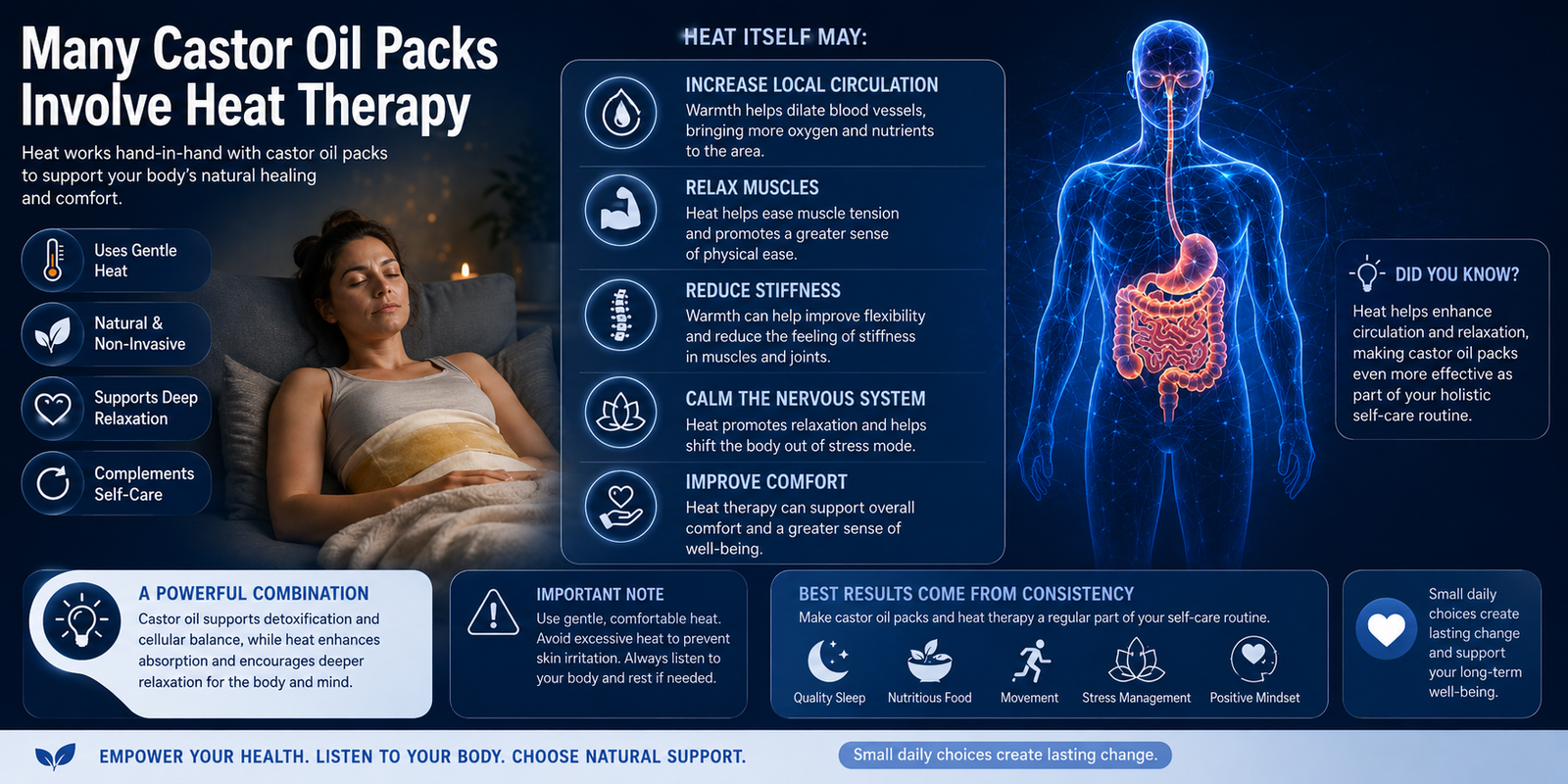
Figure 1. Many Castor Oil Packs Involve Heat Therapy
Many castor oil pack routines incorporate gentle heat as an essential part of the experience. While castor oil itself continues to be studied for its potential wellness properties, heat therapy is a well-established self-care practice that may contribute to relaxation and physical comfort through several biological mechanisms.
Heat may increase local circulation, allowing blood vessels to expand and improving the delivery of oxygen and nutrients to surrounding tissues. This enhanced circulation can support the body’s natural recovery processes and create a soothing sensation.
Warmth also helps relax muscles, easing tension that develops from prolonged sitting, stress, or daily physical activity. As muscles become less tight, movement often feels easier and more comfortable.
Another common benefit is the ability to reduce stiffness. Gentle heat may improve tissue flexibility and temporarily decrease the sensation of tightness in muscles and joints, making it a popular option for individuals seeking non-invasive comfort measures.
Heat therapy can also calm the nervous system by encouraging the body to shift toward a more relaxed state. Taking time to rest quietly with a warm castor oil pack may promote slower breathing, reduced stress, and an overall sense of wellbeing.
Finally, these combined effects may improve comfort and encourage a regular self-care routine. Although castor oil packs should not be considered a cure for medical conditions, incorporating gentle heat into a healthy lifestyle may provide a simple, accessible ritual that supports relaxation, recovery, and long-term wellness. Consistency, combined with good sleep, balanced nutrition, movement, and stress management, remains the foundation of lasting health.
3. Relaxation and Parasympathetic Activation
Modern humans live in a chronically stressed environment:
- excessive screen exposure
- sleep disruption
- sympathetic nervous system overactivation
- constant stimulation
A 30–45 minute ritual involving stillness, warmth, reduced stimulation, and intentional rest may help activate the parasympathetic nervous system—the “rest and recovery” branch of human physiology.
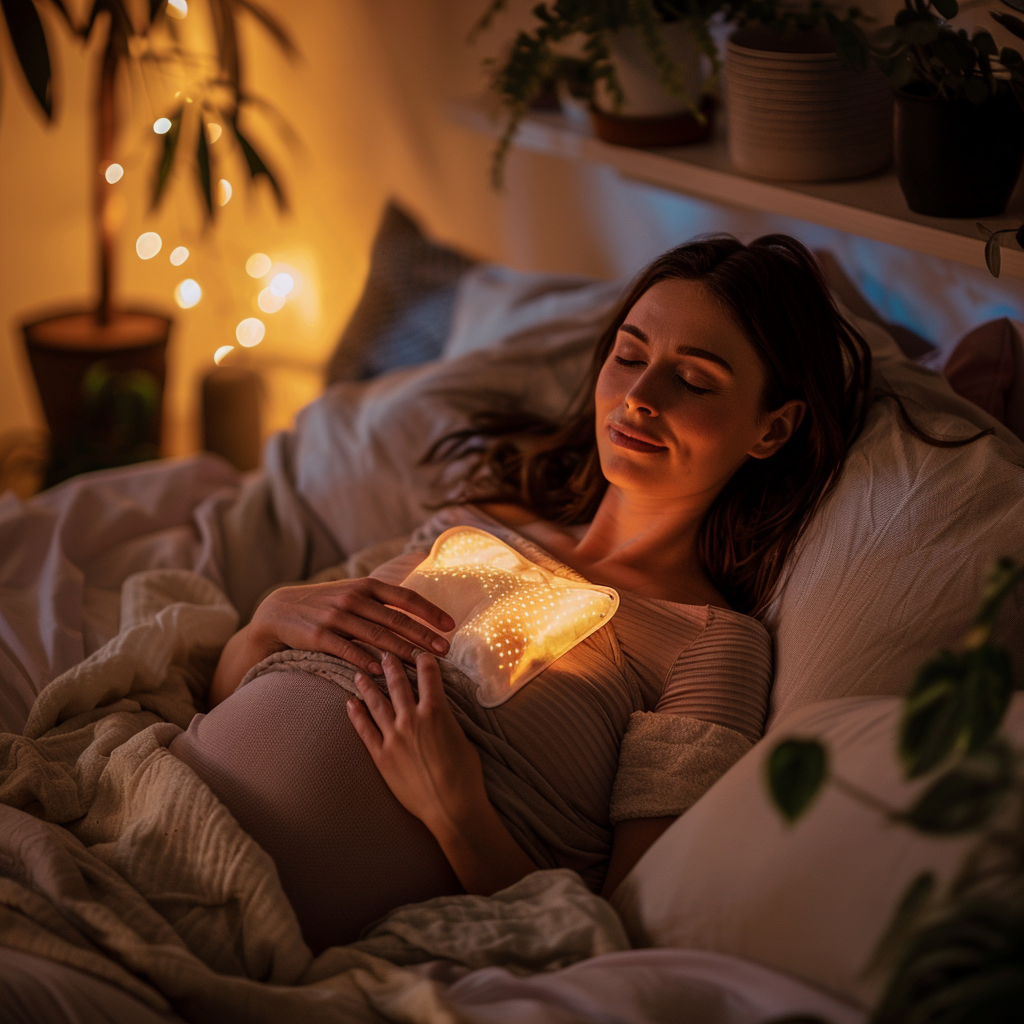
Figure 2. Relaxation and Parasympathetic Activation
Modern life places the nervous system under continuous pressure. Hours of screen exposure, endless notifications, irregular schedules, and information overload keep many people in a state of heightened alertness.
Instead of cycling naturally between activity and recovery, the body may remain dominated by the sympathetic nervous system—the “fight-or-flight” response designed for short-term survival.
The image illustrates a different physiological state: a quiet evening environment, warm lighting, slow breathing, and a comfortable heat pack resting on the abdomen.
These elements symbolize conditions that may encourage activation of the parasympathetic nervous system, often referred to as the “rest-and-digest” mode.
Wen people intentionally slow down, several beneficial responses may occur:
- Heart rate gradually decreases
- Muscle tension begins to release
- Breathing becomes deeper and more rhythmic
- Digestive activity is supported
- Stress hormone production may decline
- A sense of calm and safety increases
Gentle warmth, such as that provided by a heated wellness pack, can further enhance comfort by relaxing superficial muscles and creating a soothing sensory experience. Many individuals incorporate these rituals into evening routines as a way to transition away from work, screens, and constant stimulation.
While heat therapy is not a treatment for chronic stress or medical conditions, it can serve as a supportive self-care practice that complements other evidence-based habits, including mindfulness, meditation, stretching, journaling, and consistent sleep schedules.
Ultimately, relaxation is an active biological process rather than simply “doing nothing.” Creating moments of warmth, stillness, and intentional rest helps shift the body from constant vigilance toward recovery, allowing the nervous system to restore balance and better prepare for restorative sleep and overall wellbeing.
This may explain why many users report:
- better sleep
- reduced stress
- digestive calmness
- improved sense of well-being
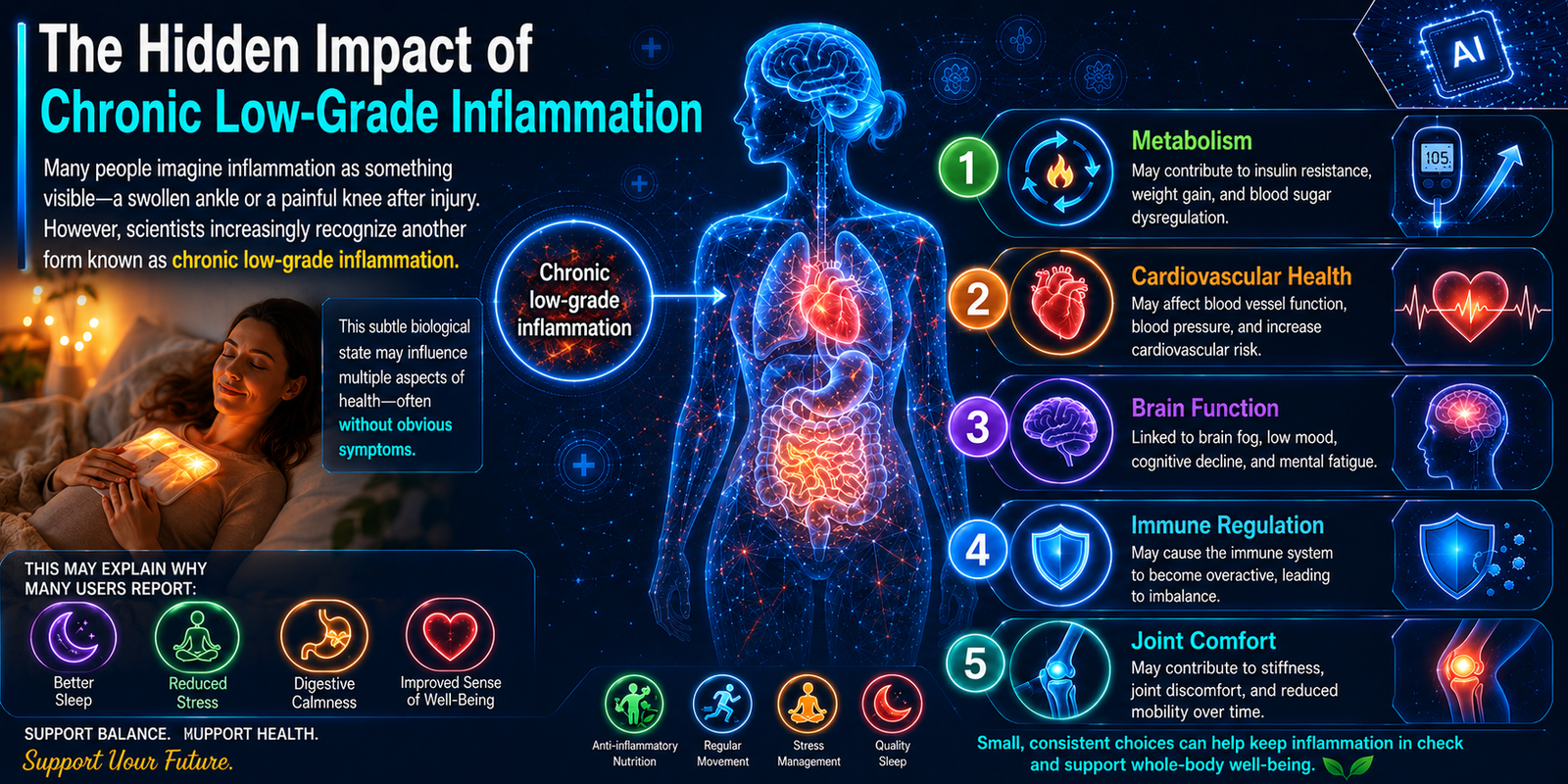
Figure 3. This May Explain Why Many Users Report…
While scientific evidence remains limited for many wellness practices, the combination of gentle warmth, intentional rest, and a calming environment may help shift the body toward a more relaxed physiological state. Rather than acting as a cure, these experiences can become supportive rituals that encourage recovery from the constant stimulation of modern life.
Many users describe a range of subjective benefits, including:
🌙 Better Sleep
Relaxation before bedtime may help quiet mental activity, reduce muscle tension, and support a smoother transition into restorative sleep.
🧘 Reduced Stress
Creating dedicated moments for rest may promote parasympathetic (“rest-and-digest”) activity, helping counterbalance the effects of chronic sympathetic activation.
🌿 Digestive Calmness
Stress and digestion are closely connected through the gut–brain axis. Feeling relaxed may support normal digestive function and improve overall comfort.
💛 Improved Sense of Well-Being
Warmth, mindfulness, and intentional self-care can encourage feelings of safety, comfort, and emotional balance, contributing to a greater sense of overall wellness.
Although individual experiences vary, these reported effects are consistent with the broader understanding that relaxation practices, healthy sleep habits, stress management, and regular recovery periods play important roles in supporting whole-body health. The greatest benefits are typically achieved when such rituals become part of a sustainable lifestyle that includes balanced nutrition, regular movement, and adequate rest.
The nervous system connection is often underestimated in wellness discussions.
Explore practical ways people use castor oil packs as part of their relaxation, self-care, and wellness routines — from warmth therapy to nighttime comfort support.