
Sleep and Brain Health: The Nighttime Cleaning System
Sleep is one of the brain’s most important maintenance and repair processes. During deep sleep, the brain does far more than simply “rest.” It actively clears waste, consolidates memories, regulates emotions, repairs neural pathways, and restores cognitive function.

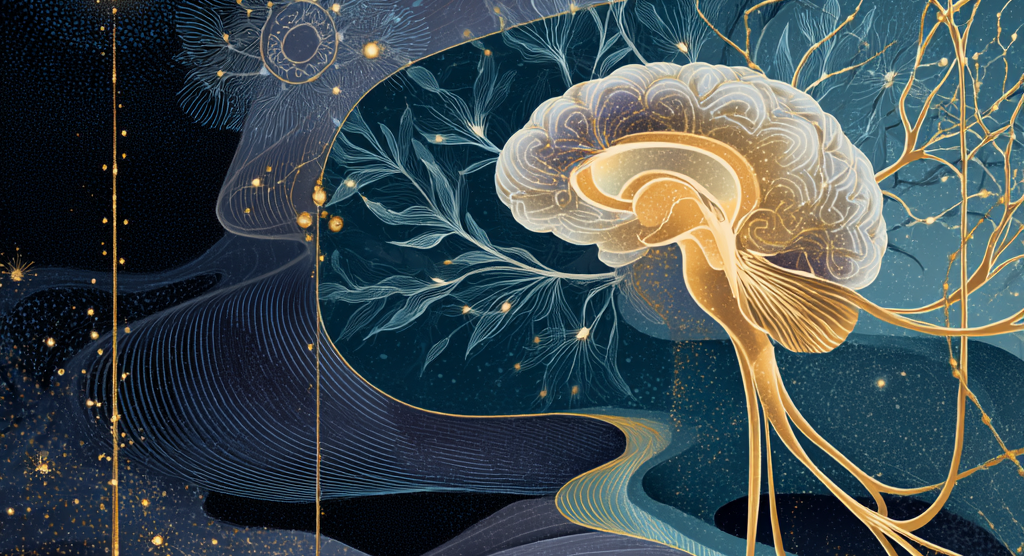
One of the most important discoveries in modern neuroscience is the glymphatic system — a specialized nighttime waste-clearance network within the brain.
During deep sleep, cerebrospinal fluid circulates through brain tissue and helps remove metabolic waste products, including potentially toxic proteins such as beta-amyloid and tau.
These proteins are strongly associated with neurodegenerative diseases like Alzheimer’s disease.
Deep sleep functions like a biological cleaning cycle for the brain.
When sleep becomes chronically disrupted, waste clearance may become less efficient. Over time, this may contribute to:
- cognitive decline,
- impaired memory,
- brain fog,
- mood disorders,
- and increased neurodegenerative risk.
Sleep deprivation also affects:
- emotional regulation,
- attention,
- decision-making,
- reaction time,
- and learning ability.
Even a single night of poor sleep can impair cognitive performance.
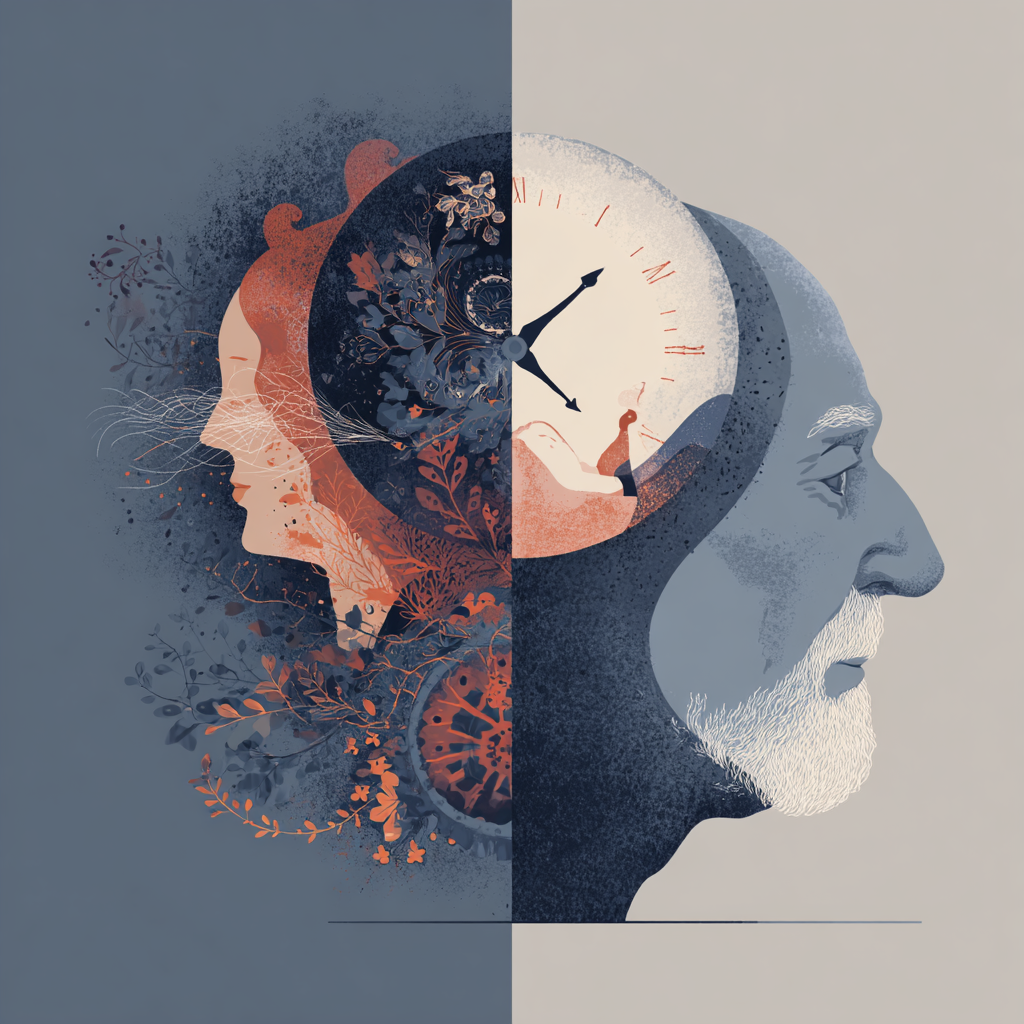
Modern society often normalizes sleep deprivation as a sign of productivity or ambition. But chronic sleep restriction acts more like a form of biological stress injury.
The brain was not designed for continual recovery deprivation.
Research increasingly links poor sleep with:
- depression,
- anxiety,
- dementia,
- Parkinson’s disease,
- impaired immune defense,
- and accelerated brain aging.
Deep sleep also plays a major role in memory consolidation. Information learned during the day becomes stabilized and integrated during sleep cycles.
Without adequate sleep:
- learning efficiency decreases,
- concentration weakens,
- and emotional resilience deteriorates.
Protecting sleep may therefore be one of the most important long-term investments in brain health and cognitive longevity.

Healthy sleep habits support:
- mental clarity,
- emotional stability,
- creativity,
- memory,
- and long-term neurological resilience.
Sleep is not passive inactivity.
It is active biological restoration.
During deep sleep, the brain activates critical restoration systems linked to cellular repair, glymphatic clearance, inflammation control, and neural recovery.