
The Human Body Runs on Energy Regulation

Every cell in the human body requires energy. Glucose is one of the body’s primary fuel sources, especially for the brain and nervous system. After eating carbohydrates, digestion breaks food down into glucose, which enters the bloodstream.
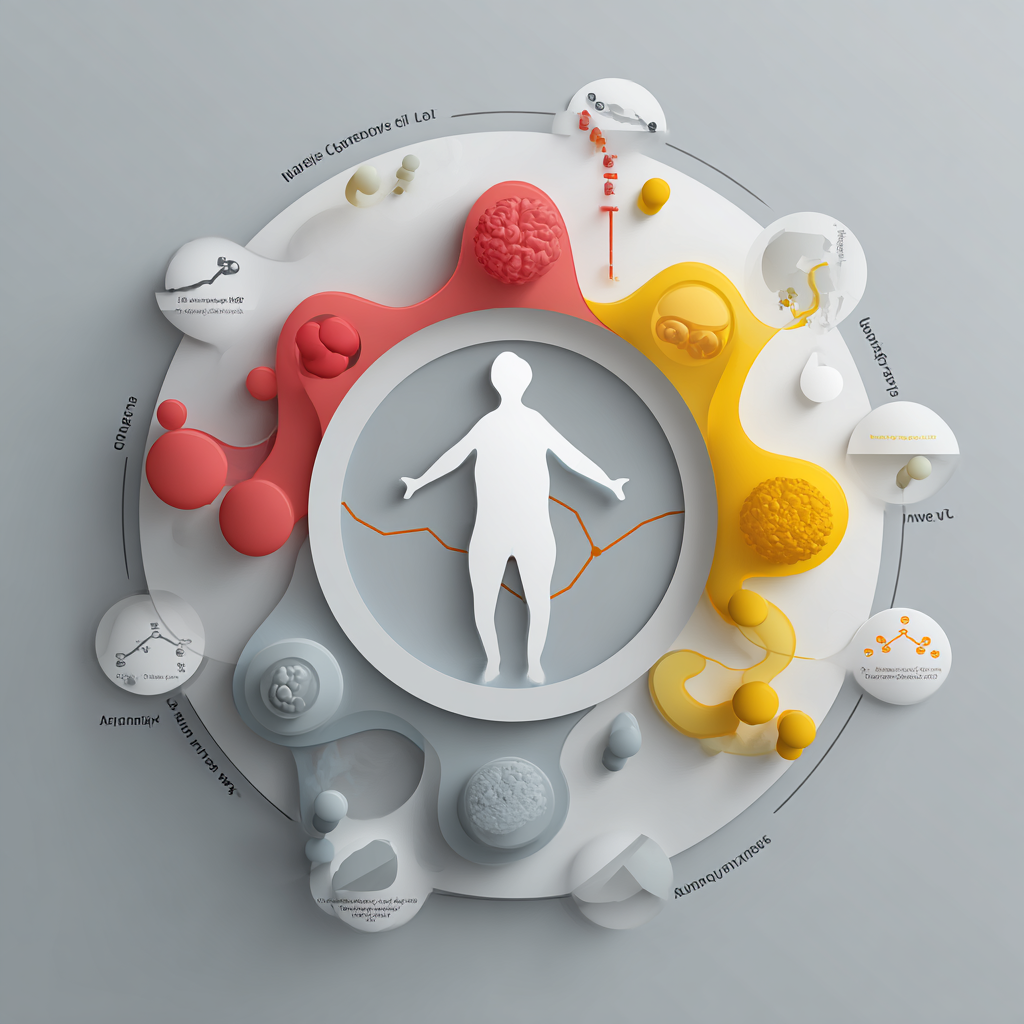
The body then releases insulin from the pancreas. Insulin acts like a signaling hormone that helps move glucose into cells where it can be used for energy or stored for later use.
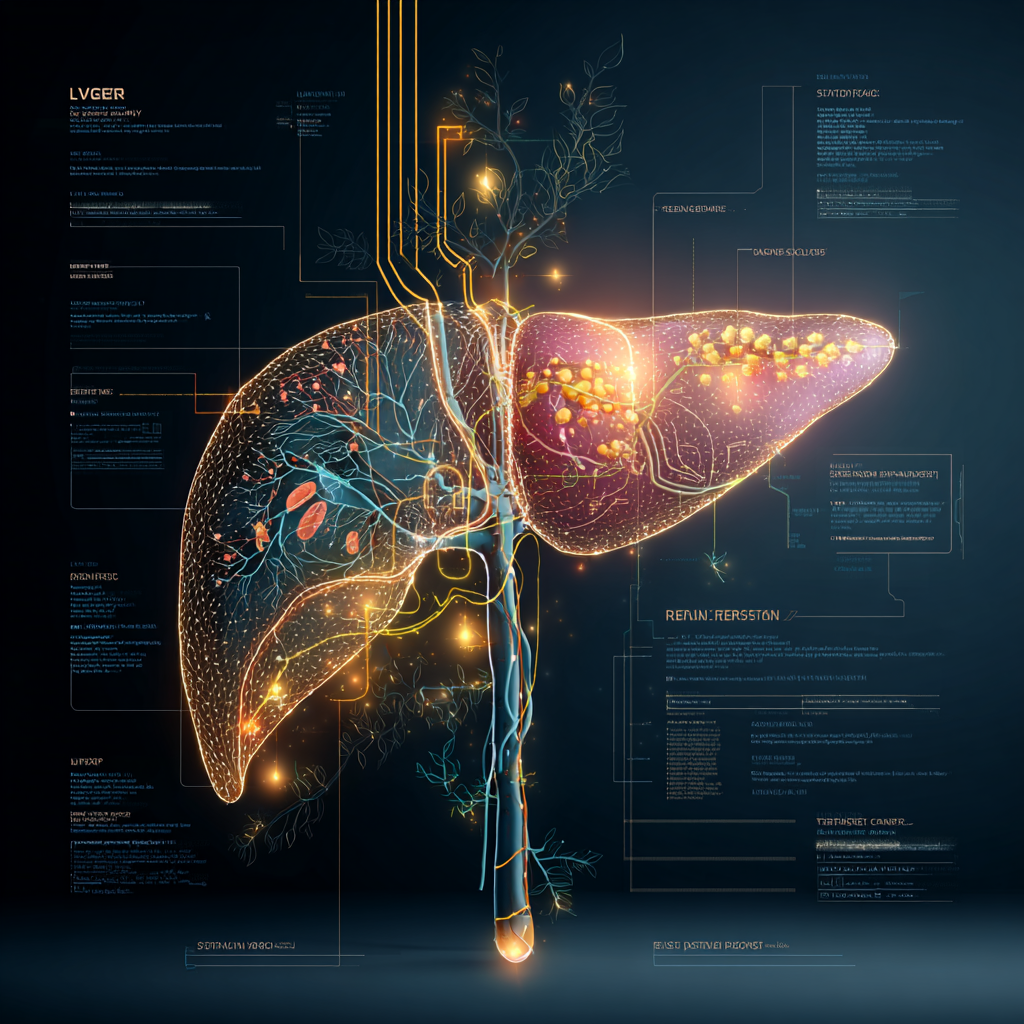
In a healthy metabolic system:
- Blood sugar rises moderately after meals
- Insulin responds efficiently
- Cells absorb glucose properly
- Blood sugar returns to baseline
- Energy remains stable
But modern lifestyles frequently disrupt this process.
Highly processed foods, chronic stress, sleep deprivation, inactivity, and constant snacking can push the body into a state of repeated glucose overload. Over time, cells become less responsive to insulin, a condition known as insulin resistance.

This is often the beginning of long-term metabolic dysfunction.
Explore Science-Based Guides for Preventive Care and Healthy Support