
The Metabolism–Movement Connection
How Blood Sugar, Weight, Muscle, and Energy Influence Joint Health

Many people think of joint health as purely orthopedic. However, modern research increasingly shows that metabolism and musculoskeletal health are deeply interconnected.
Joint function is influenced not only by biomechanics, but also by blood sugar regulation, body composition, inflammation, circulation, muscle mass, mitochondrial function, and energy metabolism.
Understanding this connection may help explain why chronic metabolic dysfunction often overlaps with chronic pain and mobility decline.
The Metabolic Inflammation Problem
Modern lifestyles have dramatically altered human metabolism.
Ultra-processed diets, sedentary behavior, sleep disruption, and chronic stress contribute to insulin resistance and systemic inflammation.
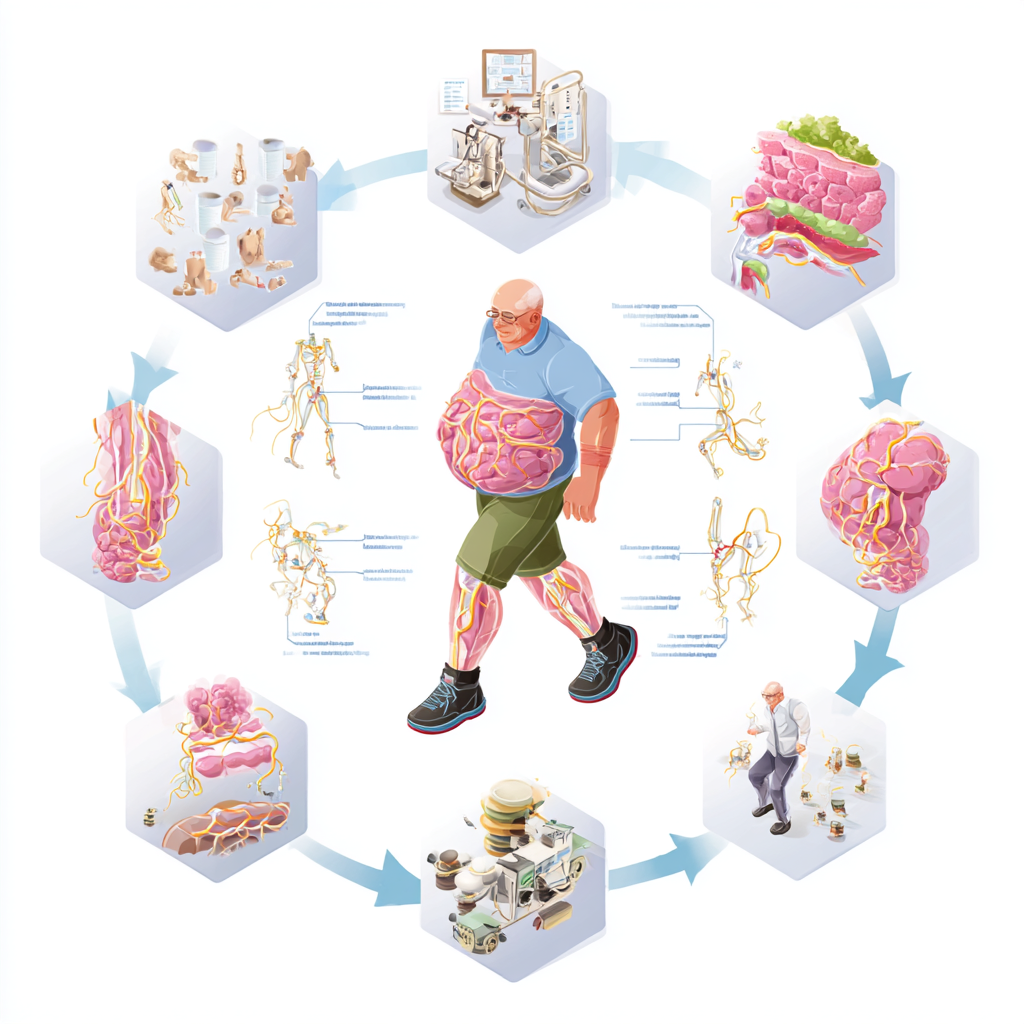
This inflammatory environment may influence:
- Cartilage integrity
- Tissue recovery
- Pain sensitivity
- Joint stiffness
- Muscle preservation
Inflammatory compounds associated with metabolic dysfunction can circulate throughout the body, affecting joints as well as cardiovascular, neurological, and immune systems.
Insulin Resistance and Mobility
Insulin resistance occurs when cells become less responsive to insulin signaling.
Over time, this may contribute to:
- Elevated blood sugar
- Chronic inflammation
- Weight gain
- Reduced energy production
- Fatigue
Fatigue often leads to reduced physical activity.
Reduced activity contributes to:
- Muscle loss
- Weight gain
- Reduced mobility
- Poor circulation
- Increased joint stress
The body gradually enters a downward spiral of metabolic and physical decline.
Muscle Is a Metabolic Organ
Muscle tissue plays a major role in glucose regulation and healthy aging.
Strong muscles help:
- Improve insulin sensitivity
- Stabilize joints
- Support balance
- Enhance mobility
- Improve circulation
- Preserve independence
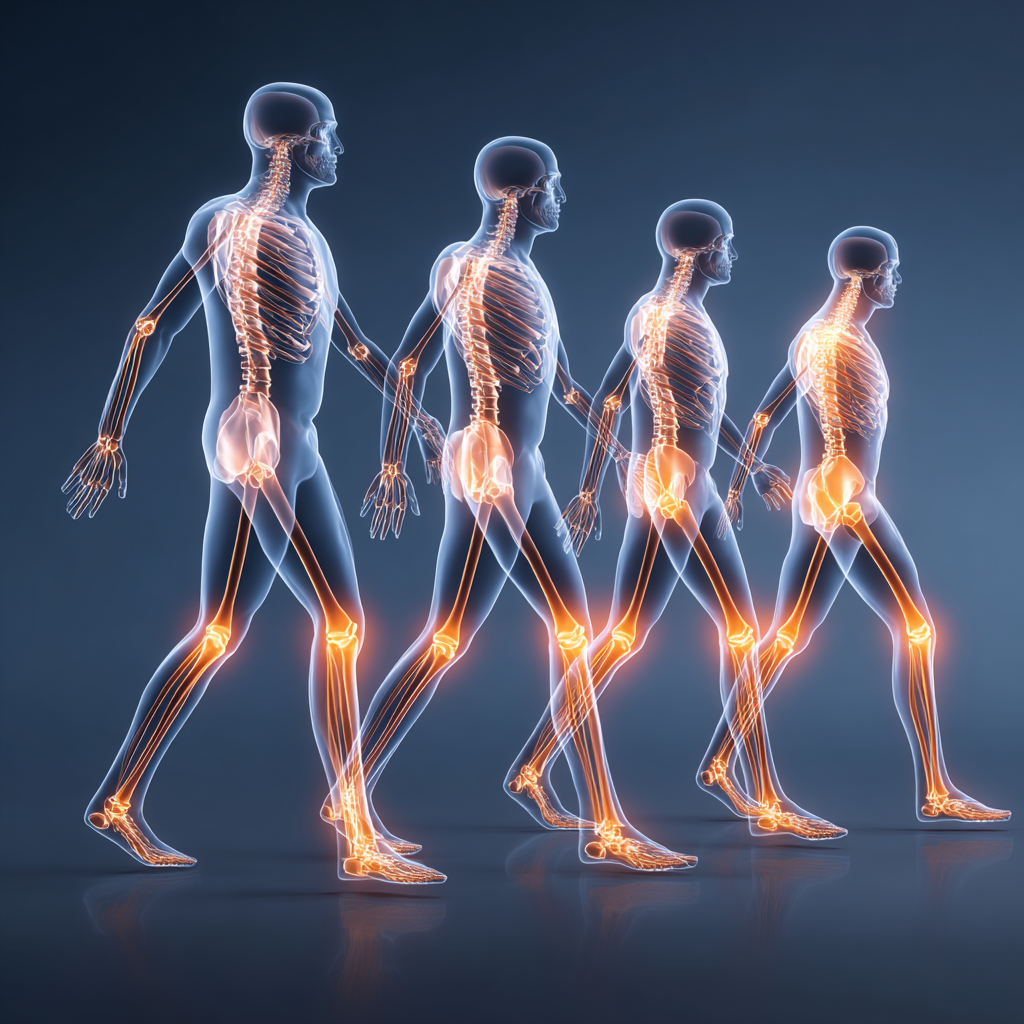
Unfortunately, many adults lose muscle mass steadily with age.
This process may accelerate during inactivity, chronic illness, or poor nutrition.
Resistance training is therefore one of the most powerful interventions for both metabolic and joint health.
Movement as Biological Medicine
The human body was designed for movement.
Physical activity supports:
- Synovial fluid circulation
- Muscle maintenance
- Blood flow
- Anti-inflammatory signaling
- Mitochondrial health
- Bone density
- Nervous system resilience
Even low-impact activities such as walking may provide substantial long-term benefits.
Consistency matters more than perfection.
Mitochondria and Energy Production
Mitochondria are often called the power plants of cells.
They generate the energy required for movement, tissue repair, and recovery.
Mitochondrial dysfunction may contribute to:
- Fatigue
- Reduced exercise tolerance
- Slower recovery
- Accelerated aging
Exercise, sleep, nutrient density, and metabolic health all influence mitochondrial function.
The Body Weight–Mobility Relationship
Maintaining healthy body composition can reduce stress on joints.
Excess body weight increases mechanical pressure on the knees, hips, ankles, and spine.
However, body composition matters more than weight alone.
Preserving lean muscle while reducing excess inflammatory fat may improve both metabolic resilience and mobility.
Nutrition for Energy and Recovery
Joint-supportive nutrition patterns often emphasize:
- Adequate protein intake
- Omega-3 fats
- Antioxidant-rich vegetables
- Hydration
- Stable blood sugar patterns
- Reduced processed foods
Protein is especially important for preserving muscle during aging.
Without adequate protein intake, muscle recovery and tissue maintenance may become more difficult.
Sleep, Hormones, and Recovery
Sleep strongly influences:
- Growth hormone release
- Muscle recovery
- Inflammation control
- Appetite regulation
- Stress hormone balance
Poor sleep may increase cravings, worsen insulin sensitivity, and amplify pain perception.
Protecting circadian rhythms is therefore an important part of healthy aging.
The Future of Functional Longevity
The future of health optimization will increasingly focus on preserving function.
True longevity is not only about lifespan.
It is about maintaining strength, mobility, cognition, resilience, and independence.
Joint health sits at the center of this conversation.

Movement enables:
- Exercise
- Metabolic health
- Social connection
- Independence
- Cardiovascular wellness
- Brain health
Protecting mobility protects nearly every other dimension of healthy aging.
A systems-based strategy recognizes that joints do not age separately from the rest of the body.
They age within the larger biological environment of inflammation, metabolism, movement, recovery, and lifestyle.
To explore how specialized care integrates into whole-body health: