
The Mouth Is Not Separate From the Body
Why Oral Health May Influence Heart, Brain, and Metabolic Health
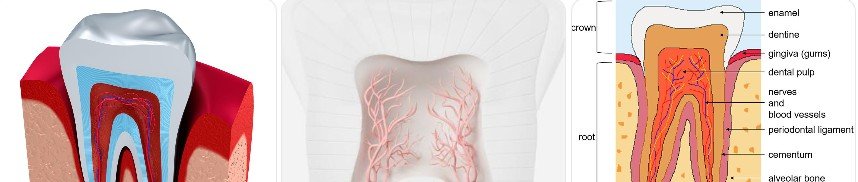
For decades, dentistry was often viewed as a separate branch of medicine — focused mainly on teeth, cavities, and cosmetic appearance. But modern research increasingly shows that the mouth functions as a critical biological gateway connected to nearly every major system in the human body.
The oral cavity contains one of the most complex microbial ecosystems in the human body. Hundreds of bacterial species live within the mouth, forming a dynamic microbiome that constantly interacts with the immune system, bloodstream, digestive tract, and nervous system.
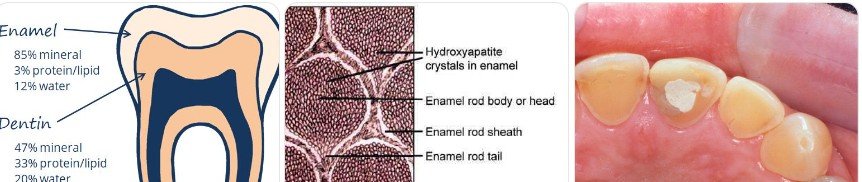
When oral health deteriorates, the consequences may extend far beyond tooth pain or gum bleeding.
Researchers have identified links between poor oral health and a wide range of chronic conditions, including:
- cardiovascular disease
- diabetes
- chronic inflammation
- respiratory disease
- pregnancy complications
- neurodegenerative disorders
- autoimmune dysfunction
- metabolic syndrome
This does not necessarily mean oral disease directly causes every condition. However, oral inflammation may contribute to systemic stress, immune activation, and chronic inflammatory burden throughout the body.

The Oral-Systemic Connection
The gums are highly vascular tissues filled with tiny blood vessels. When gum disease develops, inflammatory molecules and bacteria may enter the bloodstream repeatedly.
This can potentially influence:
- endothelial function
- immune regulation
- arterial inflammation
- insulin sensitivity
- inflammatory signaling pathways
In many ways, the mouth acts as an “early warning system” for broader health dysfunction.
Common signs may include:
- chronic bad breath
- gum bleeding
- gum recession
- loose teeth
- dry mouth
- tongue discoloration
- oral ulcers
- chronic inflammation
Modern dentistry is therefore evolving beyond simple “drill-and-fill” procedures toward a more systems-based preventive model.
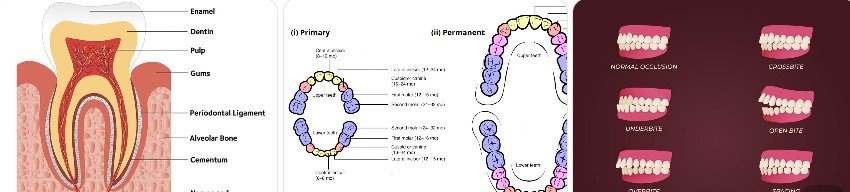
Understanding the Oral Microbiome
The oral microbiome is second only to the gut microbiome in complexity.
Healthy mouths maintain a balanced ecosystem between:
- beneficial bacteria
- neutral organisms
- opportunistic pathogens
Problems arise when this ecosystem becomes disrupted through:
- excessive sugar intake
- smoking
- poor sleep
- chronic stress
- ultra-processed diets
- dry mouth
- immune dysfunction
- poor hygiene habits
When harmful bacteria dominate, plaque and biofilm accumulate along the gumline.
This may lead to:
- Gingivitis
- Periodontitis
- Tissue destruction
- Bone loss
- Tooth instability
Importantly, chronic periodontal disease is fundamentally an inflammatory disease.
Chronic Inflammation Begins Earlier Than Most People Think
One of the biggest misconceptions about dental disease is that pain appears early.
In reality, many oral diseases progress silently for years.
People may lose bone support around teeth long before severe symptoms appear.
This is why preventive dentistry matters:
- early detection
- regular cleaning
- microbiome balance
- inflammation control
- lifestyle medicine
- nutritional support
The goal is no longer simply “fixing teeth.”
The goal is preserving long-term biological resilience.
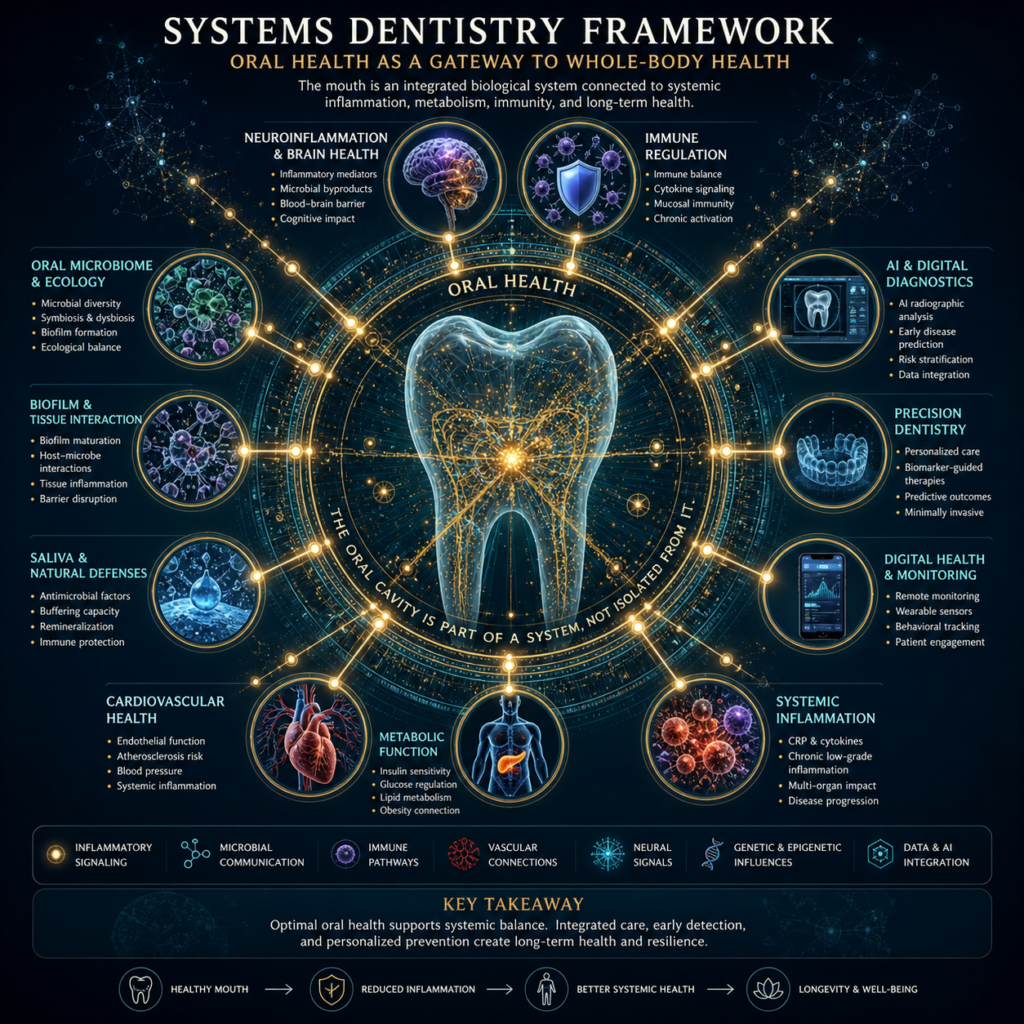
The Future of Dentistry
Modern dentistry is entering a new era that combines:
- oral biology
- preventive medicine
- microbiome science
- regenerative therapies
- digital imaging
- AI diagnostics
- precision health tracking
Future dental systems may increasingly evaluate:
- inflammation markers
- salivary biomarkers
- microbiome profiles
- sleep breathing disorders
- metabolic risk indicators
- nutritional status
Dentistry is gradually becoming part of whole-body preventive medicine.
And that may completely transform how future generations understand health.
Discover how oral health connects to inflammation, metabolism, cardiovascular wellness, and long-term whole-body health.