
The Oral Microbiome Revolution
How Bacteria Shape Dental and Whole-Body Health
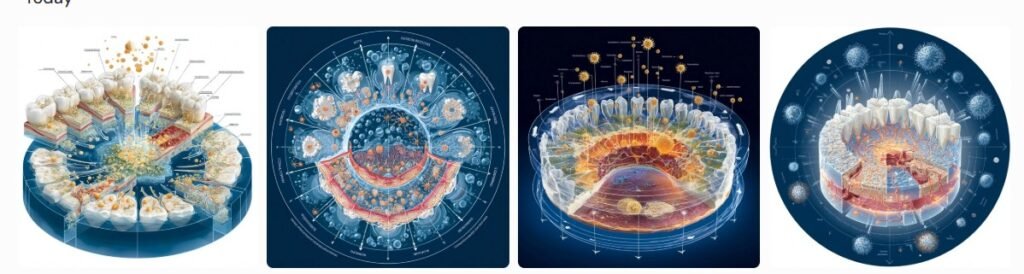
The human mouth contains one of the most complex microbial ecosystems in the body. Scientists estimate that more than 700 bacterial species may inhabit the oral cavity, creating a dynamic environment that constantly interacts with immunity, inflammation, digestion, metabolism, and systemic health.
For much of modern history, bacteria in dentistry were viewed almost entirely as enemies. The goal was simply to eliminate germs and sterilize the mouth. But advances in microbiology and systems medicine have transformed this perspective.
Today, researchers increasingly understand that oral health depends not on eliminating bacteria, but on maintaining microbial balance.
This new understanding is driving what many experts call the oral microbiome revolution.
The Mouth as an Ecosystem
The mouth is not a sterile structure. It is a living ecosystem composed of:
- bacteria
- fungi
- viruses
- immune cells
- saliva proteins
- enzymes
- epithelial tissues
These organisms form microbial communities on:
- teeth
- gums
- tongue
- cheeks
- saliva
- dental surfaces
When balanced, the oral microbiome performs many beneficial functions.
Healthy oral microbes may help:
- regulate pH
- prevent pathogen overgrowth
- support digestion
- assist immune signaling
- protect enamel
- maintain gum integrity
But modern lifestyles can disrupt this balance.
What Causes Oral Dysbiosis?
Oral dysbiosis refers to microbial imbalance within the mouth.
Instead of diverse beneficial organisms, disease-promoting bacteria begin to dominate.
Common drivers include:
- excessive sugar intake
- smoking
- chronic stress
- sleep deprivation
- dehydration
- poor nutrition
- mouth breathing
- diabetes
- acid reflux
- alcohol abuse
- ultra-processed foods
- certain medications
- chronic inflammation
This imbalance may trigger:
- tooth decay
- gingivitis
- periodontal disease
- bad breath
- oral infections
- immune dysregulation
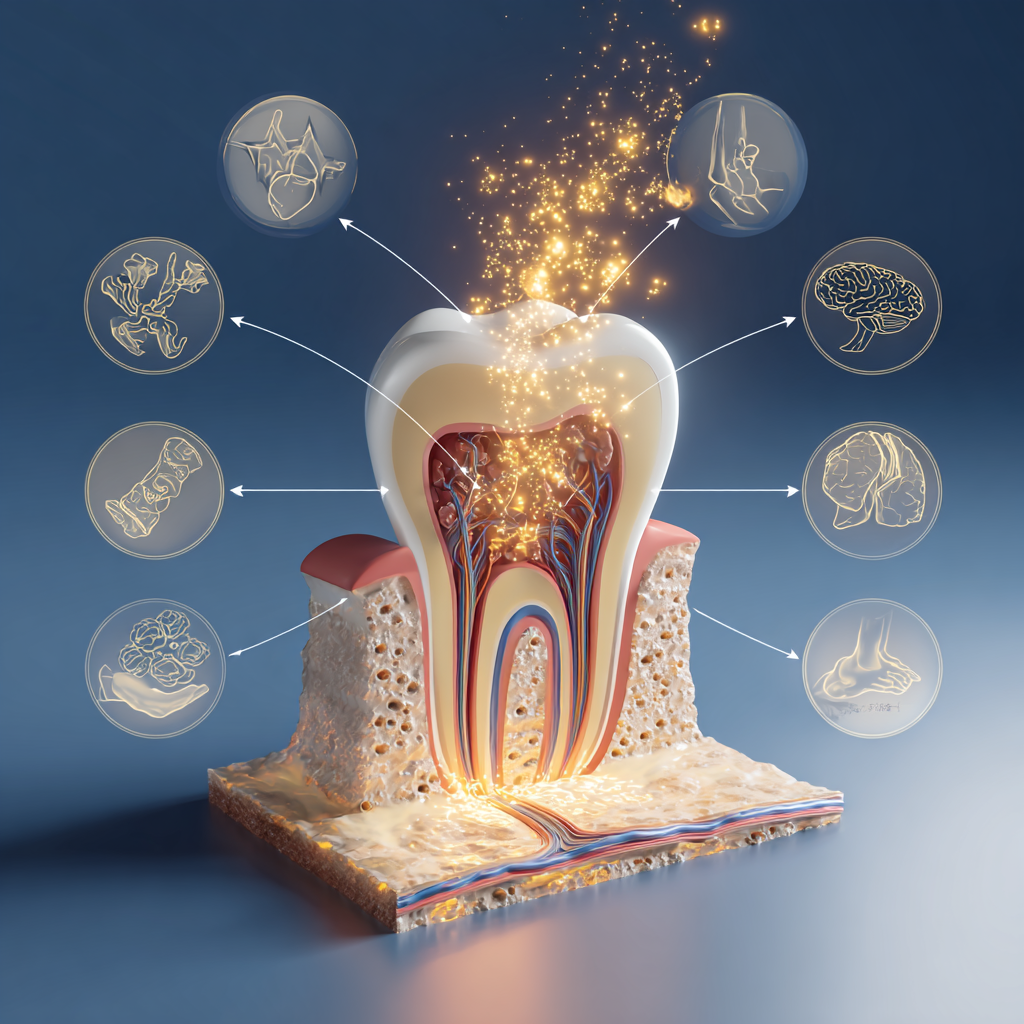
Over time, chronic dysbiosis may contribute to systemic inflammatory burden.
The Biofilm Problem
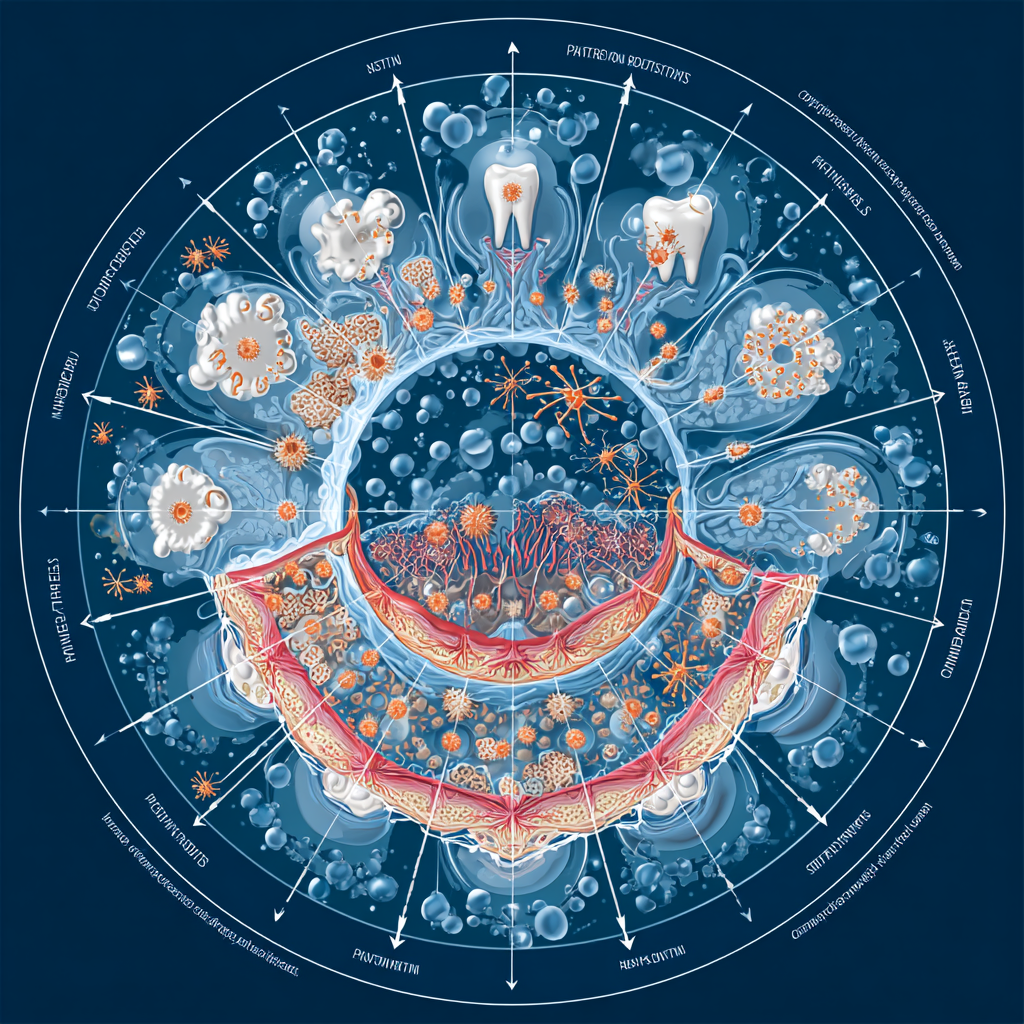
Oral bacteria organize into structures called biofilms.
Dental plaque is a biofilm.
Biofilms protect bacteria from:
- immune attack
- saliva cleansing
- antibiotics
- environmental stress
When oral hygiene is poor, biofilms become thicker and more inflammatory.
Acid-producing bacteria metabolize sugars and create acidic conditions that erode enamel.
Inflammatory bacteria stimulate immune activation in the gums, contributing to tissue breakdown and bone loss.
This process can become chronic and self-reinforcing.
Saliva: The Forgotten Defense System
Saliva plays a critical role in oral health.
Healthy saliva helps:
- neutralize acids
- remineralize enamel
- regulate microbes
- lubricate tissues
- support digestion
- clear food particles
Reduced saliva production dramatically increases disease risk.
Dry mouth may result from:
- medications
- aging
- dehydration
- stress
- mouth breathing
- autoimmune disorders
- sleep disorders
Without adequate saliva, microbial imbalance accelerates.
Modern dentistry increasingly recognizes saliva as a key biological defense system.
The Oral–Gut Connection
The mouth and gut are closely linked.
Every day, humans swallow enormous quantities of oral microbes.
An imbalanced oral microbiome may influence gut ecology and systemic inflammation.
Researchers are investigating how oral bacteria may affect:
- gut barrier integrity
- immune activation
- metabolic disease
- inflammatory disorders
This mouth-gut axis represents an important emerging field in systems medicine.
Nutrition and the Microbiome
Diet powerfully shapes oral microbial ecology.
Frequent sugar exposure favors acid-producing bacteria associated with cavities.
Ultra-processed foods may reduce microbial diversity.
Meanwhile, diets rich in:
- fiber
- minerals
- antioxidants
- polyphenols
- healthy fats
- fermented foods
may support healthier microbial balance.
Nutritional patterns matter more than isolated ingredients.
Modern dentistry increasingly overlaps with nutritional science.

Oral Microbiome and Aging
Aging affects oral microbial balance.
Older adults often experience:
- reduced saliva
- medication-related dry mouth
- gum recession
- immune changes
- bone loss
- increased inflammation
These factors may accelerate oral dysbiosis.
Researchers increasingly study how preserving oral microbial resilience may support healthier aging and reduced inflammatory burden.
Precision Dentistry and the Future
Future dentistry may use:
- microbiome sequencing
- salivary biomarkers
- AI risk analysis
- personalized oral therapies
- targeted probiotics
- regenerative approaches
Dentistry is moving toward precision prevention rather than reactive treatment alone.
This systems-based model may help preserve both oral and whole-body health across the lifespan.
Final Thoughts
The oral microbiome is not merely a dental topic—it is a systems health issue.
The future of dentistry increasingly involves:
- microbial ecology
- inflammation control
- immune resilience
- metabolic health
- personalized prevention
Understanding the oral microbiome changes how we think about health itself.
The mouth is not separate from the body.
It is one of the body’s most important biological ecosystems.
Evidence-Based Resources for Health and Wellness