
The Role of Weight and Metabolism in Joint Health
Joint stress is not only mechanical — it is also metabolic.

Excess body weight increases pressure on weight-bearing joints such as the knees, hips, and lower back. Even modest weight gain may significantly increase force placed on joints during walking and climbing.
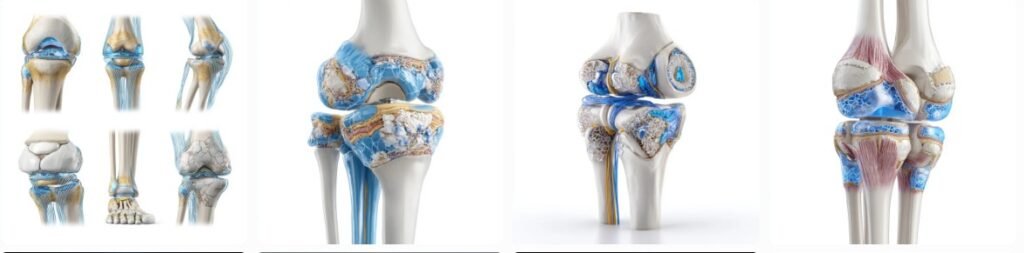
However, metabolic dysfunction itself may also influence joint biology through inflammatory pathways.

Visceral fat can produce inflammatory compounds that affect connective tissues and pain sensitivity. This means joint discomfort may be partly driven by systemic metabolic stress, not simply physical load.
Insulin resistance and chronic blood sugar instability may further contribute to oxidative stress and tissue aging.
Research increasingly suggests that obesity-related inflammation may accelerate cartilage degeneration and impair tissue repair mechanisms.
Weight management strategies that focus on sustainable metabolic health may therefore support both mobility and overall wellness.

Helpful approaches include:
- balanced nutrition,
- increased protein intake,
- regular exercise,
- improved sleep,
- stress management,
- and reduced consumption of ultra-processed foods.
Crash diets are rarely effective long term and may worsen muscle loss. Preserving muscle mass is essential because muscles help protect and stabilize joints.
Healthy metabolism supports:
- energy production,
- tissue repair,
- inflammation regulation,
- and physical resilience.
Joint health should therefore be viewed within the broader context of whole-body metabolic function.
Start protecting your mobility today — one small step can support stronger joints, better movement, and healthier aging.