
Tinnitus Awareness and the Brain–Nervous System Connection
Why Ringing in the Ears Is More Than an Ear Problem
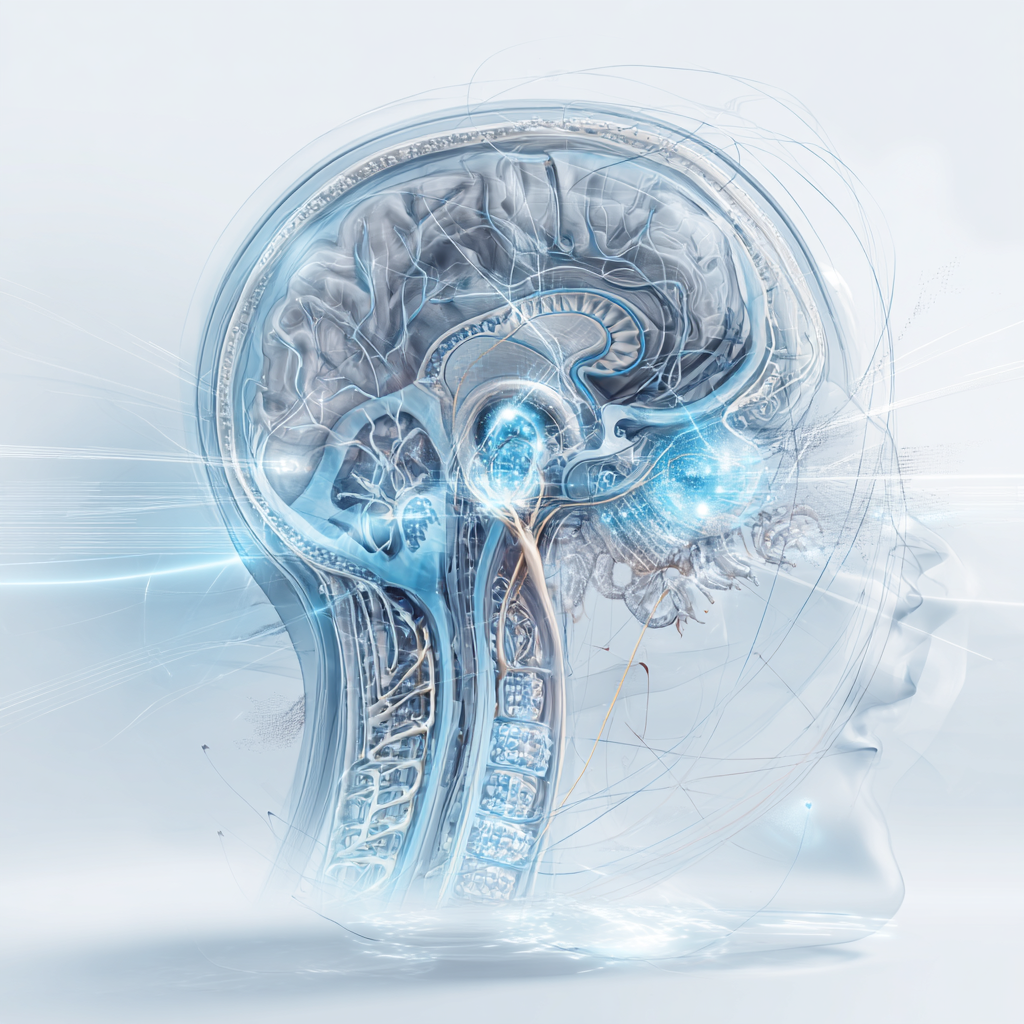
Tinnitus affects millions of people worldwide and has become one of the most misunderstood sensory conditions in modern medicine. Often described as ringing, buzzing, humming, clicking, or hissing in the ears, tinnitus is not a disease itself but a symptom involving complex interactions between the auditory system, brain networks, stress physiology, and nervous system regulation.
For some individuals, tinnitus is mild and occasional. For others, it becomes emotionally exhausting, sleep-disrupting, and psychologically overwhelming.
A systems-based approach helps explain why tinnitus experiences vary so dramatically from person to person.
The traditional explanation for tinnitus focused primarily on ear damage. While hearing injury can certainly contribute, modern neuroscience increasingly recognizes tinnitus as a brain-centered phenomenon involving auditory processing, neuroplasticity, emotional regulation, and sensory interpretation.
The auditory system is constantly filtering information. Under normal conditions, the brain learns to prioritize meaningful external sounds while ignoring irrelevant background noise. However, when hearing input changes — whether from aging, noise exposure, inflammation, or auditory injury — the brain may compensate by increasing neural sensitivity.
This process is sometimes compared to turning up the volume on a weak radio signal.
As neural gain increases, the brain may begin perceiving internally generated electrical activity as sound. The result is tinnitus perception.
Importantly, tinnitus severity is not always proportional to measurable hearing loss. Two individuals with similar hearing profiles may experience very different symptom burdens depending on nervous system state, emotional stress, sleep quality, and cognitive response patterns.
This explains why tinnitus often worsens during:
- anxiety
- chronic stress
- exhaustion
- emotional trauma
- sleep deprivation
- burnout
- hypervigilance
The limbic system — the emotional center of the brain — also plays a powerful role. When tinnitus becomes associated with fear, frustration, or danger perception, the brain may continually monitor the sound, reinforcing awareness and distress.
This creates a self-reinforcing neurological loop:
stress → heightened awareness → increased tinnitus perception → more stress.
Breaking this cycle often requires calming the nervous system rather than focusing exclusively on the sound itself.
Many tinnitus specialists now emphasize nervous system regulation strategies:
- relaxation training
- mindfulness practices
- sleep optimization
- sound therapy
- breathing exercises
- stress reduction
- cognitive reframing
- gradual habituation
The concept of habituation is especially important. Habituation does not necessarily mean the sound disappears completely. Instead, the brain gradually learns to classify the sound as non-threatening, reducing emotional intensity and conscious awareness.
This process resembles how people eventually stop noticing background air conditioning or distant traffic sounds.
Sleep plays a major role in tinnitus resilience. During sleep deprivation, the brain becomes more reactive, emotionally sensitive, and less capable of filtering sensory information. Many individuals notice tinnitus spikes during periods of poor sleep quality.
Inflammation and metabolic health may also influence auditory sensitivity. Chronic inflammation affects blood vessels, neural tissues, mitochondrial function, and oxidative stress pathways. Since the auditory system is highly energy-dependent, metabolic strain may worsen auditory dysfunction over time.
Caffeine, alcohol, nicotine, and highly processed foods may affect symptoms differently among individuals. Some people report strong sensitivity, while others notice little effect. Personalized observation often matters more than rigid universal rules.
Another important concept is auditory overprotection. Some individuals with tinnitus or sound sensitivity begin avoiding nearly all sound exposure. While loud noise protection is important, excessive silence may sometimes increase auditory hypervigilance.
Balanced sound environments are often healthier for long-term nervous system adaptation.
Natural sound enrichment may help support auditory relaxation:
- rainfall
- ocean sounds
- soft music
- nature soundscapes
- white noise
- environmental ambience
The psychological dimension of tinnitus should never be dismissed. Chronic auditory symptoms can affect:
- concentration
- emotional health
- relationships
- work performance
- sleep
- mental wellbeing
Compassionate care is essential.
The future of tinnitus care is moving toward integrative neuroscience:
- neuroplasticity-based therapies
- personalized sound therapy
- AI-assisted auditory retraining
- wearable auditory technologies
- stress physiology monitoring
- nervous system rehabilitation
- precision hearing medicine
The most important message is that tinnitus does not define a person’s future. Many individuals experience meaningful improvement in distress levels through education, nervous system regulation, sleep restoration, stress management, and healthy auditory habits.
Hope is an essential part of healing.