
Understanding Cartilage and Why It Matters
Cartilage is one of the most important yet least understood tissues in the human body. It acts as a protective cushion between bones, allowing joints to move smoothly and absorb mechanical stress during movement.
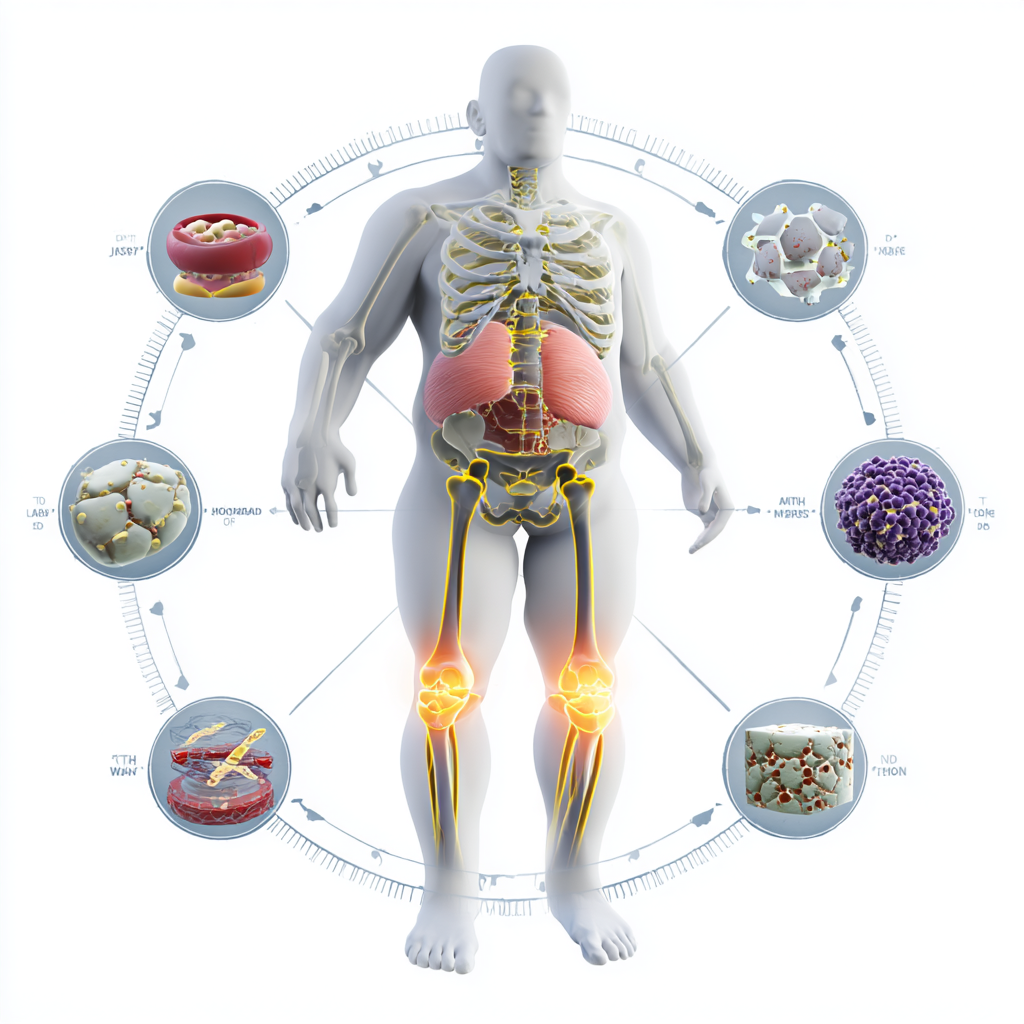
Unlike muscles, cartilage has limited blood supply. This means it heals more slowly and may become vulnerable to gradual degeneration over time. Once cartilage health declines significantly, stiffness and discomfort may begin to interfere with normal mobility.
Healthy cartilage depends on several key factors:
- balanced inflammation,
- adequate movement,
- nutrient availability,
- hydration,
- and mechanical stability.
Movement itself is essential. Cartilage receives nutrients partly through motion and compression. Sedentary lifestyles may reduce circulation of joint-supportive fluids, while excessive repetitive stress may accelerate damage.
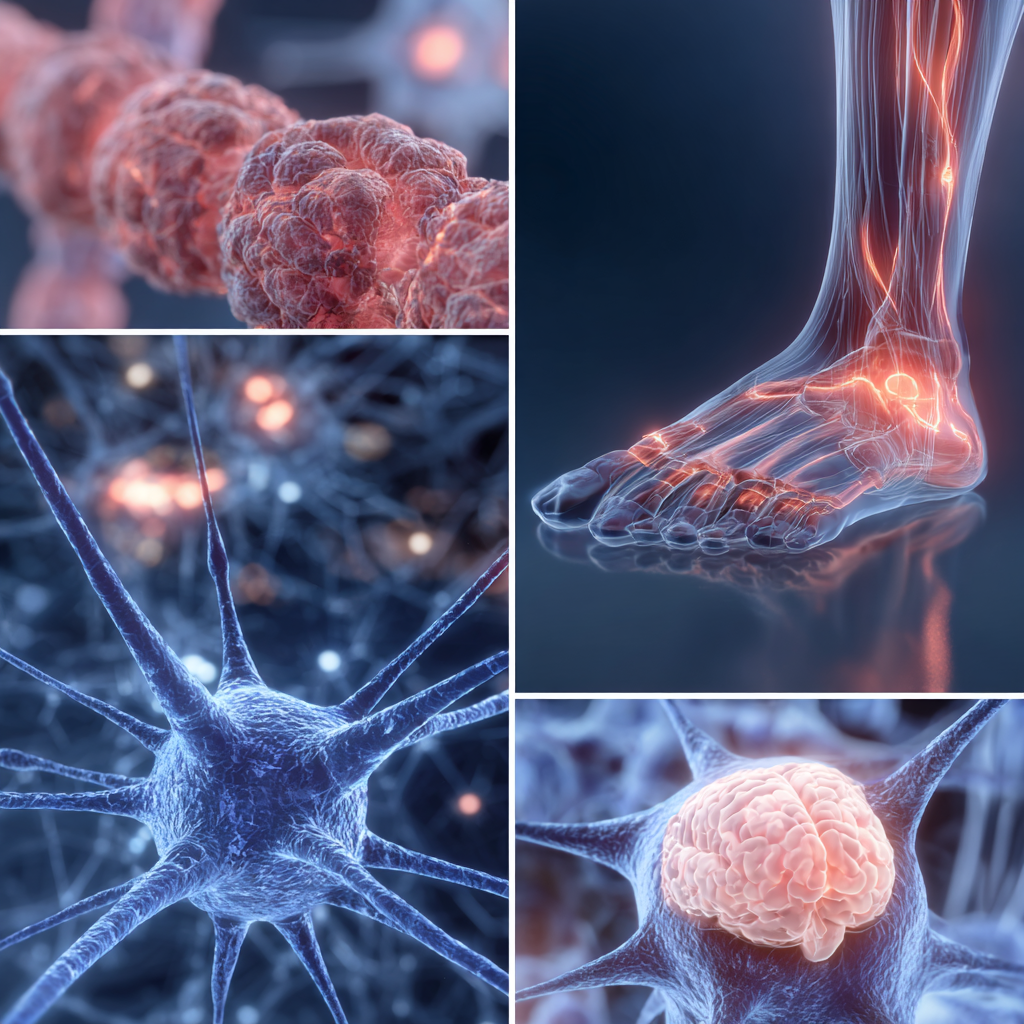
Aging can also affect cartilage resilience. Over time, collagen structure changes, water content declines, and repair capacity decreases. These changes may contribute to reduced flexibility and shock absorption.
Inflammation is another major influence. Chronic inflammatory signaling may increase enzymes that contribute to cartilage breakdown. This is why lifestyle patterns that reduce systemic inflammation are increasingly emphasized in preventive joint support strategies.
Nutrients that may support cartilage health include:
- collagen peptides,
- vitamin C,
- omega-3 fatty acids,
- glucosamine,
- chondroitin,
- and antioxidant-rich foods.
Strength training can also help protect cartilage by improving joint stability and reducing uneven stress distribution. Muscles surrounding the joint help absorb force and improve movement efficiency.

Hydration matters as well. Cartilage contains significant water content, and dehydration may affect its mechanical properties and resilience.
Importantly, joint health should be viewed as a whole-body systems issue rather than an isolated orthopedic problem. Metabolic dysfunction, obesity, poor sleep, inactivity, and chronic inflammation all influence cartilage biology.
Supporting cartilage health early may help maintain mobility, reduce stiffness, and promote long-term physical function as people age.
Start protecting your mobility today — one small step can support stronger joints, better movement, and healthier aging.