
Understanding the Aging Prostate
The prostate is a small gland located just below the bladder and surrounding the urethra. Although it is roughly the size of a walnut during early adulthood, the prostate often changes gradually with age. These changes are considered a normal part of male aging, but for some men they may also contribute to urinary symptoms that affect comfort and quality of life.
One of the most common age-related conditions affecting the prostate is benign prostatic hyperplasia (BPH), also known as benign enlargement of the prostate. BPH is not prostate cancer, nor does it necessarily lead to cancer. Instead, it refers to the noncancerous growth of prostate tissue that may gradually narrow the urethra and influence normal urine flow.
As the prostate enlarges, many men may begin noticing changes such as:
- More frequent urination, especially during the daytime
- Waking multiple times during the night to urinate (nocturia)
- A weaker or slower urinary stream
- Difficulty starting urination
- Feeling that the bladder has not emptied completely
- Occasional urgency or difficulty delaying urination
Understanding the Aging Prostate
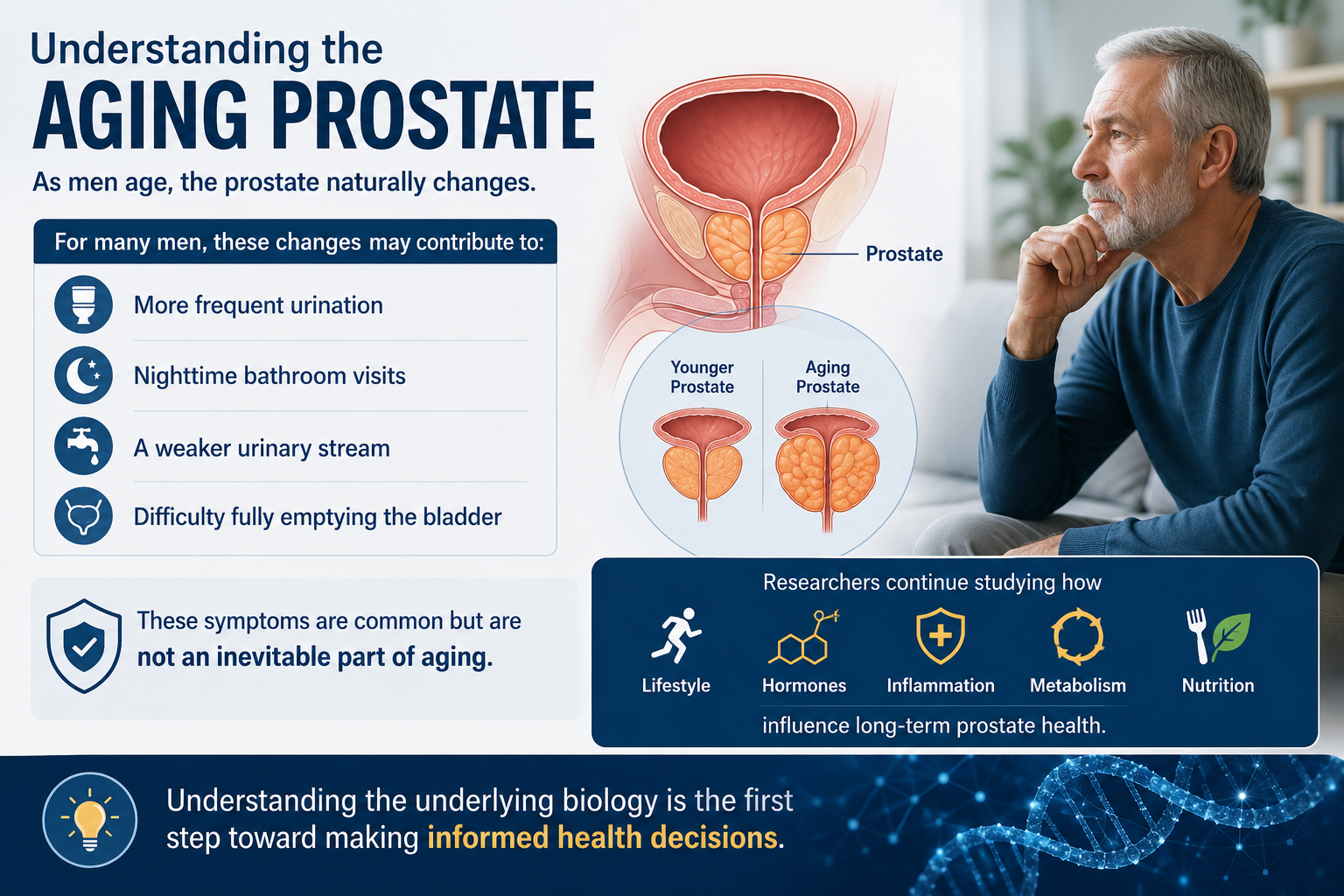
The prostate is a small gland located just below the bladder and surrounding the urethra. Although it is roughly the size of a walnut during early adulthood, the prostate often changes gradually with age. These changes are considered a normal part of male aging, but for some men they may also contribute to urinary symptoms that affect comfort and quality of life.
One of the most common age-related conditions affecting the prostate is benign prostatic hyperplasia (BPH), also known as benign enlargement of the prostate. BPH is not prostate cancer, nor does it necessarily lead to cancer. Instead, it refers to the noncancerous growth of prostate tissue that may gradually narrow the urethra and influence normal urine flow.
As the prostate enlarges, many men may begin noticing changes such as:
- More frequent urination, especially during the daytime
- Waking multiple times during the night to urinate (nocturia)
- A weaker or slower urinary stream
- Difficulty starting urination
- Feeling that the bladder has not emptied completely
- Occasional urgency or difficulty delaying urination
These symptoms become increasingly common with advancing age. However, experiencing urinary changes does not mean they should simply be accepted as an unavoidable consequence of getting older. Many underlying biological and lifestyle factors influence prostate health, and researchers continue to explore how these factors interact throughout the aging process.
Modern medicine now views prostate health from a systems biology perspective rather than focusing on the prostate alone. The gland is influenced by multiple interconnected physiological systems working together.
One important area of research involves hormonal regulation. Hormones such as testosterone and its metabolite dihydrotestosterone (DHT) help regulate prostate growth throughout life. Scientists continue investigating how age-related hormonal changes influence prostate enlargement and urinary function.
Another major factor is chronic low-grade inflammation. Although inflammation is a normal part of the body’s defense system, persistent inflammation may contribute to tissue remodeling and age-related prostate changes. Researchers continue studying how inflammatory pathways interact with prostate cells over many years.
Metabolic health has also emerged as an important area of investigation. Obesity, insulin resistance, elevated blood sugar, and metabolic syndrome may influence prostate health through hormonal, vascular, and inflammatory mechanisms. While these relationships remain an active area of scientific research, they illustrate how the prostate functions as part of the body’s larger biological network.
Healthy blood circulation is another essential component. Like every organ, the prostate depends on an adequate supply of oxygen and nutrients delivered through the cardiovascular system. Supporting vascular health through regular physical activity and healthy lifestyle habits may contribute to overall prostate function.
Nutrition also plays an important role in maintaining long-term wellness. Diets rich in colorful vegetables, fruits, legumes, whole grains, healthy fats, and antioxidant-containing foods are associated with better overall health. Scientists continue exploring how specific nutrients and plant compounds may support healthy aging, including prostate health.
Lifestyle choices remain among the most influential factors men can control. Regular exercise, maintaining a healthy body weight, obtaining sufficient sleep, managing stress, avoiding tobacco, moderating alcohol consumption, and staying well hydrated all contribute to overall health and may also support normal urinary function as men age.
For men experiencing persistent urinary symptoms, professional medical evaluation is essential. Conditions such as urinary tract infections, bladder disorders, prostate enlargement, and prostate cancer can sometimes produce similar symptoms. Early assessment allows healthcare professionals to determine the underlying cause and recommend the most appropriate management strategy.
Understanding the aging prostate begins with understanding the biology behind it. Rather than viewing prostate health as an isolated issue, modern research recognizes the complex interactions between hormones, inflammation, metabolism, circulation, nutrition, and healthy lifestyle habits. By adopting a prevention-first approach and making informed health decisions, men can better support prostate wellness and maintain quality of life throughout the aging process.
These symptoms become increasingly common with advancing age. However, experiencing urinary changes does not mean they should simply be accepted as an unavoidable consequence of getting older. Many underlying biological and lifestyle factors influence prostate health, and researchers continue to explore how these factors interact throughout the aging process.
Modern medicine now views prostate health from a systems biology perspective rather than focusing on the prostate alone. The gland is influenced by multiple interconnected physiological systems working together.
One important area of research involves hormonal regulation. Hormones such as testosterone and its metabolite dihydrotestosterone (DHT) help regulate prostate growth throughout life. Scientists continue investigating how age-related hormonal changes influence prostate enlargement and urinary function.
Another major factor is chronic low-grade inflammation. Although inflammation is a normal part of the body’s defense system, persistent inflammation may contribute to tissue remodeling and age-related prostate changes. Researchers continue studying how inflammatory pathways interact with prostate cells over many years.
Metabolic health has also emerged as an important area of investigation. Obesity, insulin resistance, elevated blood sugar, and metabolic syndrome may influence prostate health through hormonal, vascular, and inflammatory mechanisms. While these relationships remain an active area of scientific research, they illustrate how the prostate functions as part of the body’s larger biological network.
Healthy blood circulation is another essential component. Like every organ, the prostate depends on an adequate supply of oxygen and nutrients delivered through the cardiovascular system. Supporting vascular health through regular physical activity and healthy lifestyle habits may contribute to overall prostate function.
Nutrition also plays an important role in maintaining long-term wellness. Diets rich in colorful vegetables, fruits, legumes, whole grains, healthy fats, and antioxidant-containing foods are associated with better overall health. Scientists continue exploring how specific nutrients and plant compounds may support healthy aging, including prostate health.
Lifestyle choices remain among the most influential factors men can control. Regular exercise, maintaining a healthy body weight, obtaining sufficient sleep, managing stress, avoiding tobacco, moderating alcohol consumption, and staying well hydrated all contribute to overall health and may also support normal urinary function as men age.
For men experiencing persistent urinary symptoms, professional medical evaluation is essential. Conditions such as urinary tract infections, bladder disorders, prostate enlargement, and prostate cancer can sometimes produce similar symptoms. Early assessment allows healthcare professionals to determine the underlying cause and recommend the most appropriate management strategy.
Understanding the aging prostate begins with understanding the biology behind it. Rather than viewing prostate health as an isolated issue, modern research recognizes the complex interactions between hormones, inflammation, metabolism, circulation, nutrition, and healthy lifestyle habits. By adopting a prevention-first approach and making informed health decisions, men can better support prostate wellness and maintain quality of life throughout the aging process.
Prostate Health Is a Whole-Body System

Prostate wellness is not shaped by one organ alone. It is influenced by a larger biological network that includes hormones, metabolism, inflammation, circulation, nutrition, sleep, stress, and daily movement. This systems-based view helps explain why prostate health often changes gradually over time rather than suddenly.
As men age, hormonal signaling may shift, inflammatory balance may change, and metabolic health may influence urinary comfort and prostate function. Lifestyle factors also matter. Regular physical activity, healthy body weight, balanced nutrition, hydration, and restorative sleep can all support the body’s long-term resilience.
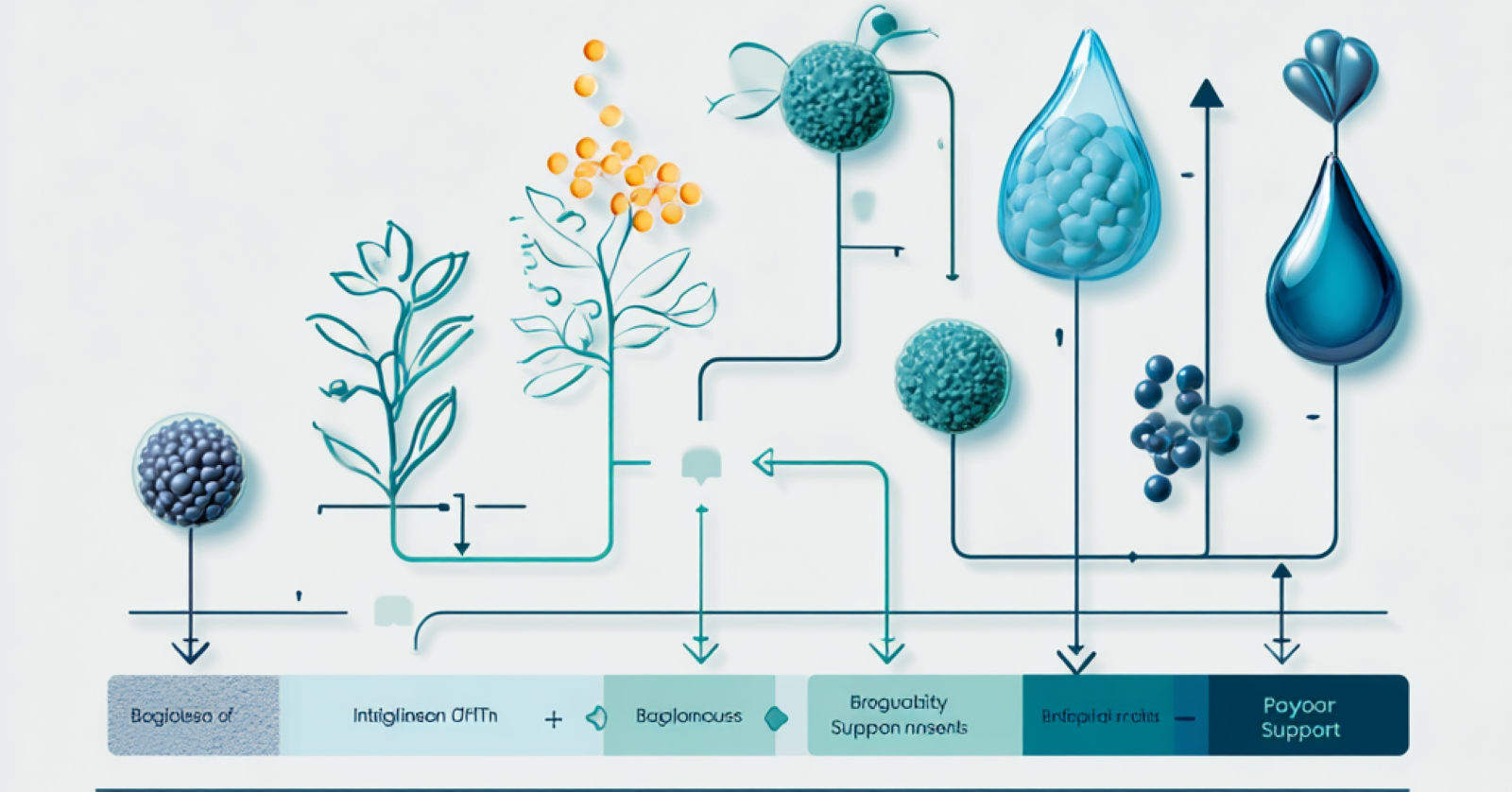
Supplements may play a supportive role, but they work best when viewed as one part of a broader wellness strategy. Ingredients such as saw palmetto, beta-sitosterol, pumpkin seed extract, pygeum, and nettle root are commonly studied for prostate and urinary support. However, results vary, and expectations should remain realistic.
True prostate support begins with understanding the whole system. Healthy aging is not about chasing one solution—it is about building consistent habits that support the entire body.
Understanding prostate health is about more than managing symptoms. Explore our evidence-based guide to learn how nutrition, lifestyle, healthy aging, and science-backed ingredients work together to support long-term prostate and urinary wellness.