
Understanding Tooth Decay Through Oral Biology
Why Cavities Develop
Many people believe cavities happen because they eat too much sugar.
While sugar plays an important role, tooth decay is far more complex.
Dental caries is a biological process involving microbes, diet, saliva, time, and host susceptibility.
Understanding this process empowers prevention.
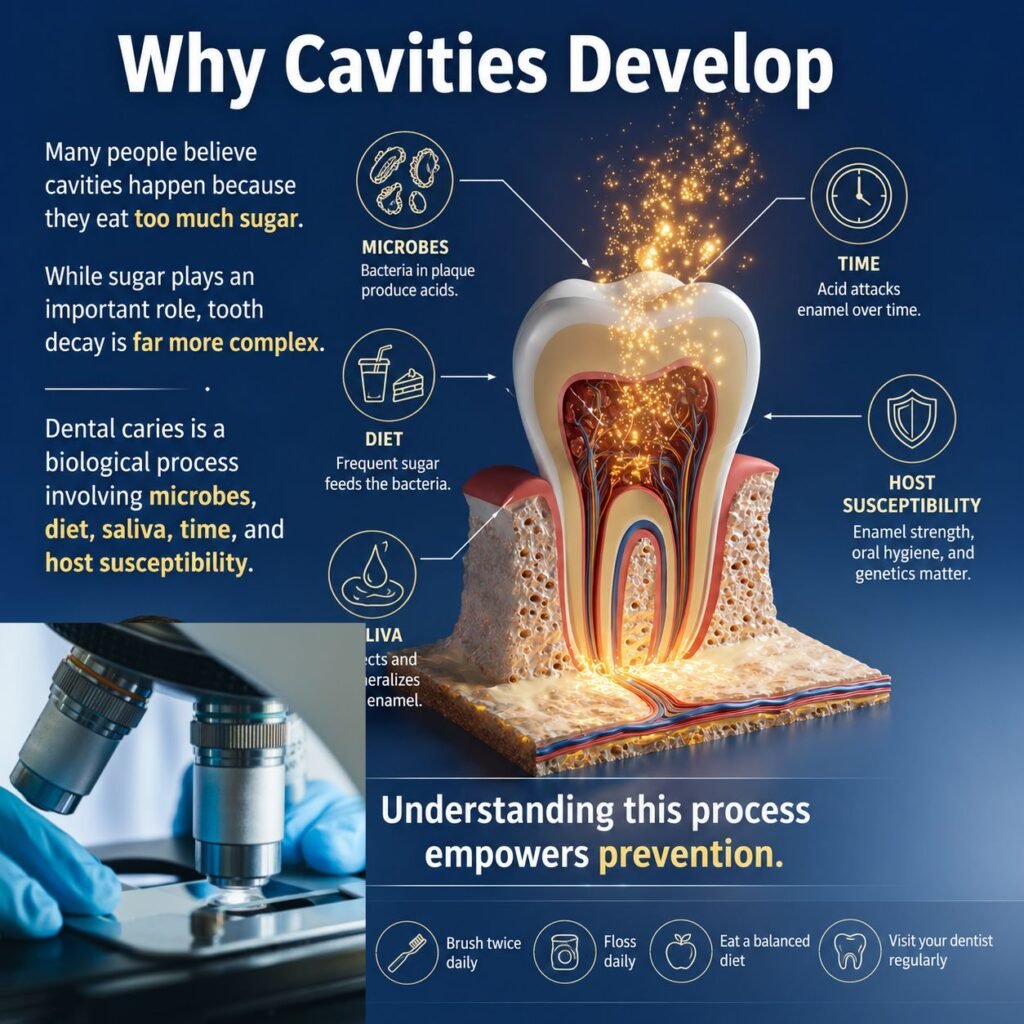
Figure 1. Cavities Develop. Many people assume cavities develop simply because they eat too much sugar. While sugar is certainly an important contributor, the process of tooth decay is far more complex. Dental caries results from the interaction of several biological factors working together over time.
Bacteria living in dental plaque consume sugars and carbohydrates from food. As they metabolize these nutrients, they produce acids that gradually weaken tooth enamel. Frequent exposure to sugary foods and drinks can accelerate this process. Saliva normally helps protect teeth by neutralizing acids and supplying minerals that support enamel repair. However, reduced saliva flow or poor oral hygiene may increase vulnerability.
Time also plays a critical role. Repeated acid attacks occurring day after day can slowly break down enamel until a cavity forms. Individual factors such as genetics, enamel strength, oral hygiene habits, and overall health further influence risk.
Understanding that cavities arise from microbes, diet, saliva, time, and host susceptibility empowers prevention. Consistent brushing, daily flossing, balanced nutrition, fluoride exposure, and regular dental visits remain among the most effective strategies for maintaining lifelong oral health.
Teeth Are Living Structures
Teeth contain multiple layers.
Enamel
The outer protective shell.
It is the hardest tissue in the human body.
Despite its strength, enamel can dissolve under acidic conditions.
Dentin
Located beneath enamel.
Contains microscopic tubules connected to the pulp.
More sensitive than enamel.
Decay progresses more rapidly once dentin is involved.
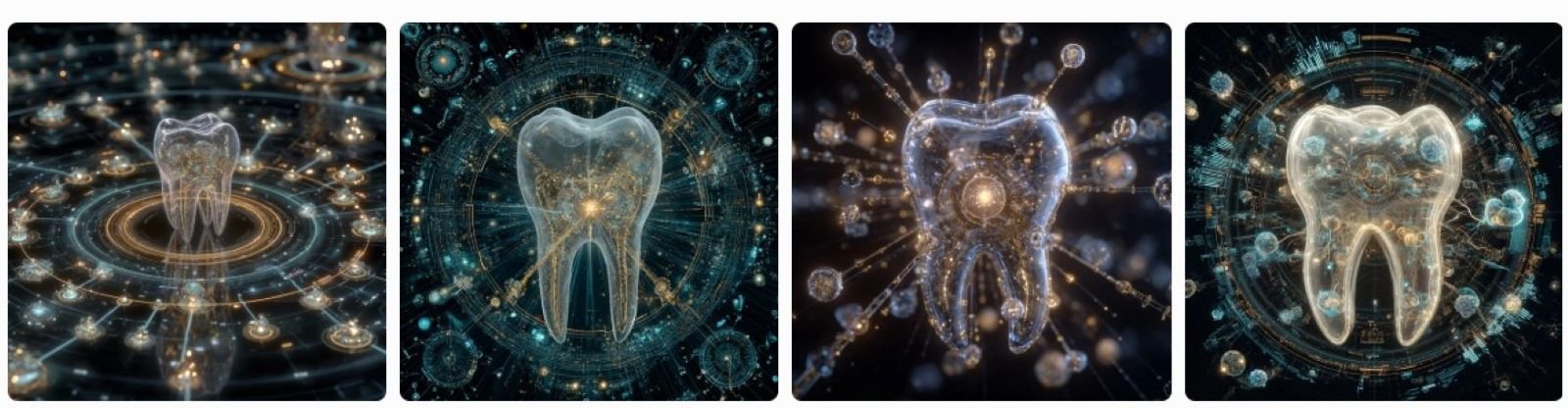
Figure 2. Teeth Structures. Teeth may appear rigid and lifeless, but they are remarkably complex living structures. Each tooth contains multiple layers that work together to provide strength, protection, sensation, and function throughout life.
Enamel forms the outer protective shell of the tooth. It is the hardest tissue in the human body, designed to withstand years of chewing and mechanical stress. Despite its exceptional durability, enamel is not indestructible. Exposure to acids produced by oral bacteria or acidic foods and beverages can gradually dissolve enamel minerals, initiating the process of tooth decay.
Beneath enamel lies dentin, a softer but highly important tissue. Dentin contains thousands of microscopic tubules that connect directly to the tooth’s inner pulp. Because of these pathways, dentin is far more sensitive to temperature changes, pressure, and chemical stimuli than enamel. Once decay penetrates the enamel and reaches dentin, it often progresses much more rapidly due to dentin’s lower mineral content and porous structure.
Understanding these layers highlights why early prevention and intervention are critical for maintaining lifelong oral health and preserving natural teeth.
Pulp
The living center.
Contains:
- Blood vessels
- Nerves
- Connective tissue
Infection reaching the pulp often causes pain.
The Caries Process
After eating carbohydrates:
Oral bacteria metabolize sugars.
They produce acids.
These acids lower pH.
When pH falls below critical levels:
Minerals leave enamel.
This process is called demineralization.
If conditions improve:
Saliva restores minerals.
This is remineralization.
Disease develops when demineralization repeatedly exceeds repair.
Sugar Frequency Matters
Research suggests frequency of exposure is often more important than total amount consumed.
Examples:
Higher risk:
- Sipping soda all day
- Frequent candy snacking
- Constant sweet beverages
Lower risk:
- Eating sweets occasionally during meals
The mouth needs recovery periods.
Saliva as Protection
Saliva buffers acids.
It supplies:
- Calcium
- Phosphate
- Protective proteins
Reduced saliva significantly increases decay risk.
Risk Factors
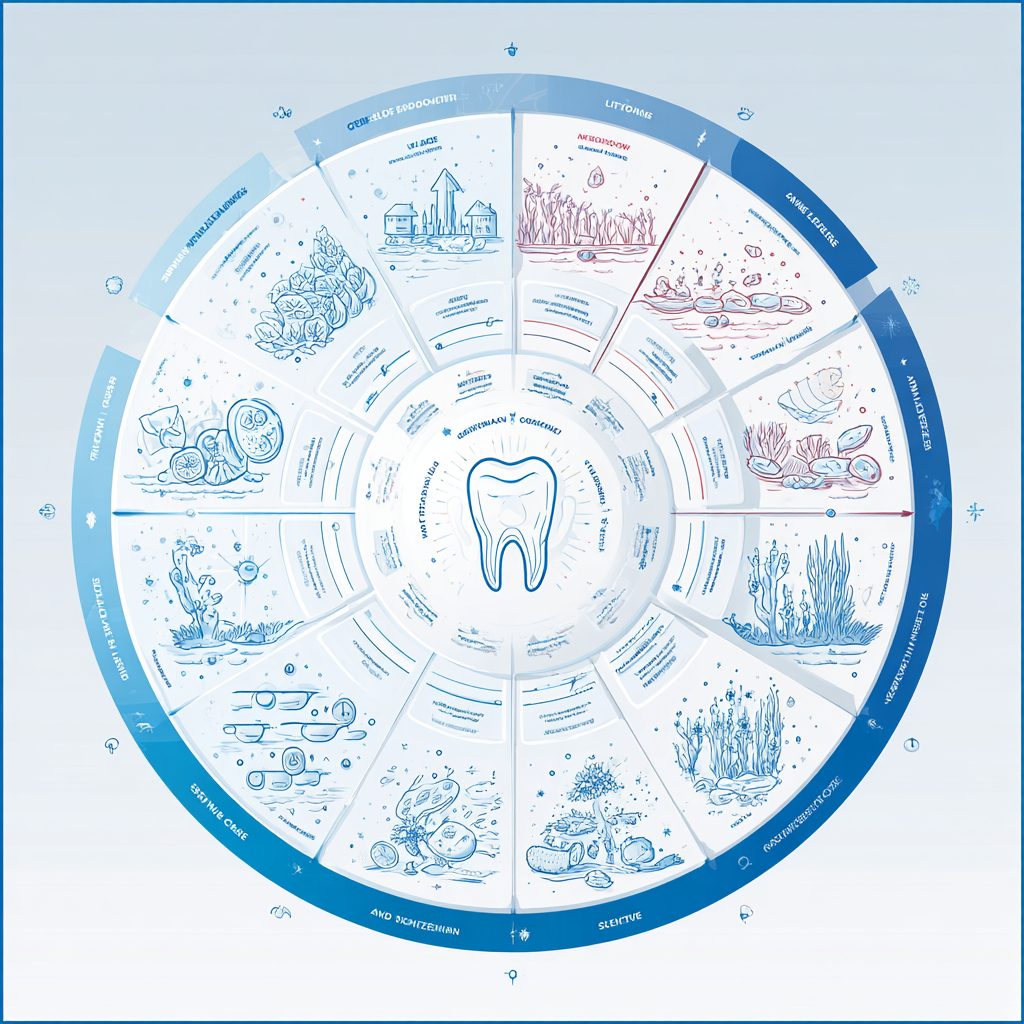
Figure 3. Risk Factors for Dental Cavities
Cavities do not develop from a single cause. Instead, they result from the interaction of biological, behavioral, and environmental factors over time. Understanding these risk factors can help individuals reduce their likelihood of developing tooth decay and maintain better oral health.
A diet high in sugar is one of the most significant contributors because oral bacteria convert sugars into acids that gradually dissolve tooth enamel. Poor oral hygiene allows dental plaque to accumulate, increasing bacterial activity and acid production. Dry mouth, whether caused by dehydration, aging, medical conditions, or certain medications, reduces the protective effects of saliva, making teeth more vulnerable to decay.
Orthodontic appliances such as braces can create additional areas where plaque accumulates, making cleaning more challenging. Acid reflux may expose teeth to stomach acids that weaken enamel. Limited fluoride exposure reduces the tooth’s natural resistance to acid attacks. Finally, individuals with a history of previous cavities often remain at higher risk because the underlying factors contributing to decay may still be present.
Recognizing these risks allows for earlier prevention and more effective long-term dental care.
Factors influencing cavities include:
- High sugar intake
- Poor hygiene
- Dry mouth
- Orthodontic appliances
- Acid reflux
- Certain medications
- Limited fluoride exposure
- Previous decay history
Fluoride and Remineralization
Fluoride strengthens enamel.
Benefits include:
- Enhanced remineralization
- Increased acid resistance
- Reduced bacterial activity
When appropriately used, fluoride remains one of the most effective preventive tools in dentistry.
Modern Caries Management
Today’s philosophy favors minimally invasive care.
Strategies include:
- Early detection
- Risk-based prevention
- Dietary modification
- Fluoride therapies
- Sealants
- Conservative restorations
The best filling is the one never needed.
Key Takeaway
Cavities are not simply “holes.”
They reflect an imbalance within the oral ecosystem.
Understanding oral biology allows people to protect their teeth throughout life.
Discover how oral health connects to inflammation, metabolism, cardiovascular wellness, and long-term whole-body health.