
Why Joint Pain Is Rising in Modern Society
Joint discomfort is no longer viewed as a problem affecting only older adults. Across the world, millions of people in their 30s, 40s, and 50s now experience stiffness, reduced mobility, and chronic aches that interfere with daily life. While aging certainly plays a role, modern lifestyle patterns are accelerating joint stress at unprecedented levels.

The human body evolved for constant movement. Walking, climbing, stretching, carrying, and natural physical activity once kept joints nourished and resilient. Today, long hours of sitting, processed diets, poor sleep, chronic stress, and reduced muscle conditioning create an environment that promotes inflammation and mechanical degeneration.
Joints are highly dynamic structures composed of cartilage, synovial fluid, ligaments, tendons, and surrounding muscle systems. Healthy movement depends on all of these components functioning together. When inflammation rises or supportive tissues weaken, joint stability begins to decline.
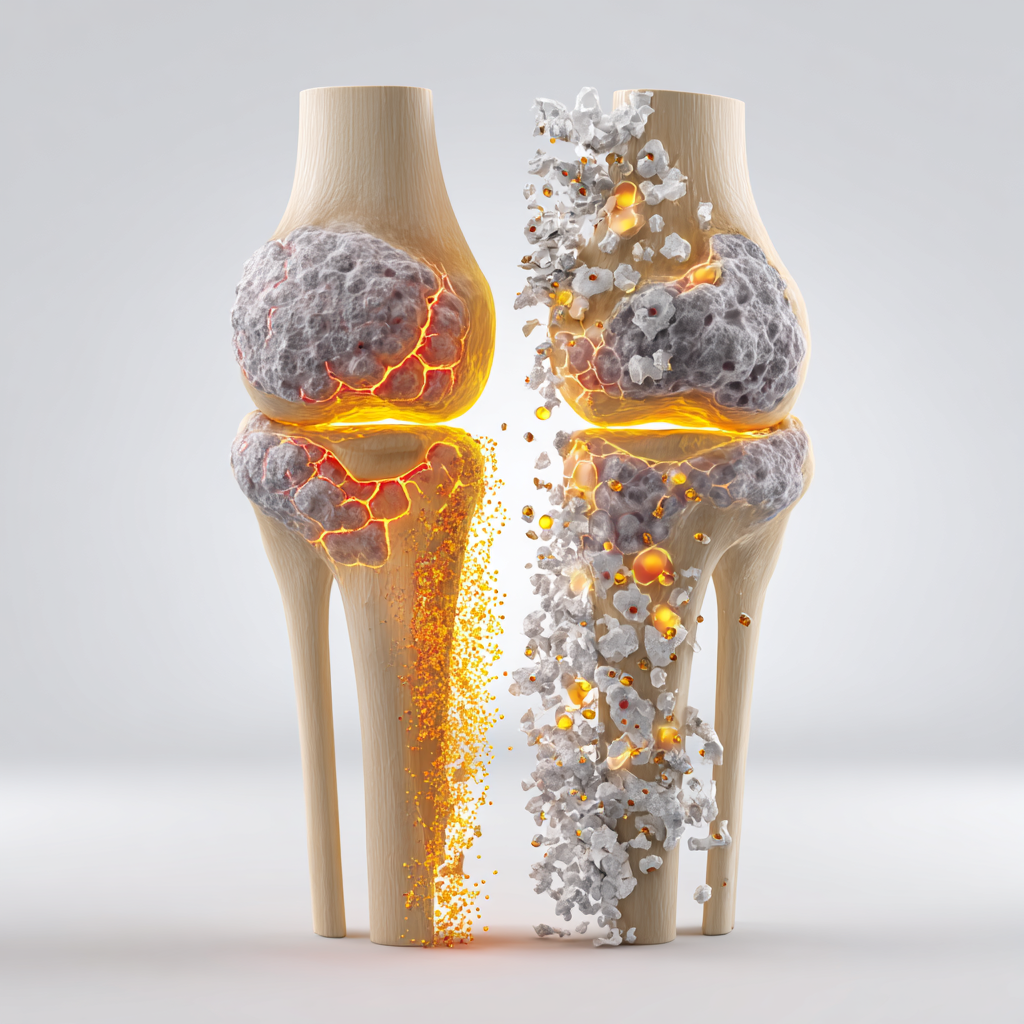
One major issue is chronic low-grade inflammation. Modern diets high in refined carbohydrates, ultra-processed oils, and excess sugar may contribute to inflammatory signaling throughout the body. Over time, inflammatory molecules can influence cartilage breakdown, stiffness, and pain sensitivity.
Muscle loss is another overlooked factor. Muscles act as shock absorbers for joints. As physical activity decreases, muscles weaken and place greater strain on knees, hips, shoulders, and spine. This creates a cycle where discomfort discourages movement, leading to further weakness and instability.
Sleep also matters more than many realize. During deep sleep, the body performs tissue repair and regulates inflammatory pathways. Chronic sleep disruption may impair recovery and worsen pain perception.

Body weight can further increase mechanical stress on joints. Excess visceral fat is metabolically active and may release inflammatory compounds that affect both mobility and systemic health.
Modern joint problems are therefore not simply “wear and tear.” They are often the result of interconnected lifestyle systems involving metabolism, inflammation, movement quality, nutrition, stress physiology, and aging biology.
Fortunately, many supportive lifestyle strategies may help maintain mobility and joint resilience over time. These include:
- anti-inflammatory nutrition,
- regular low-impact exercise,
- resistance training,
- sleep optimization,
- mobility work,
- healthy weight management,
- and targeted nutritional support.
Protecting mobility is one of the most important longevity goals. The ability to move comfortably affects independence, cardiovascular health, metabolic function, emotional well-being, and overall quality of life.
Healthy aging is not only about living longer — it is about continuing to move, function, and participate fully in life.
Join the Joint Health & Mobility Support Program →
Explore the Joint Health Guide