
Why Most Diets Fail: The Real Problem Is Your Metabolism
For millions of people, weight loss feels like a constant battle. One month it’s keto. The next month it’s intermittent fasting. Then comes calorie counting, detox teas, meal replacement shakes, and endless social media fitness trends. Yet despite all the effort, many people either fail to lose weight or quickly regain everything they lost.
The truth is simple but often misunderstood:
The problem is not just calories.
The problem is metabolic dysfunction.
Modern weight gain is deeply connected to how the human body regulates energy, blood sugar, hormones, inflammation, sleep, stress, and movement. Sustainable fat loss does not happen through punishment or starvation. It happens when the body becomes metabolically healthy again.
The Metabolism Myth
Many people think metabolism simply means “how fast you burn calories.” In reality, metabolism is far more complex.
Your metabolism includes:
- how your body converts food into energy
- how your cells produce fuel
- how hormones regulate fat storage
- how insulin controls blood sugar
- how inflammation impacts energy balance
- how sleep affects appetite
- how stress changes fat distribution
When metabolism becomes dysfunctional, the body begins to resist weight loss.
This is why some people:
- feel hungry all the time
- crave sugar constantly
- gain weight easily
- feel exhausted after meals
- store belly fat
- lose muscle mass
- hit frustrating weight-loss plateaus
The Modern Environment Is Working Against You
Human biology evolved for survival, not modern convenience.
Today’s world creates a perfect storm for metabolic damage:

- ultra-processed foods
- constant snacking
- poor sleep
- chronic stress
- sedentary lifestyles
- artificial light exposure
- sugar overload
- low protein intake
- reduced muscle activity
The result is a society facing rising obesity, diabetes, fatty liver disease, inflammation, and metabolic syndrome.
The issue is no longer cosmetic. It is biological.
Why Calorie Restriction Alone Often Fails
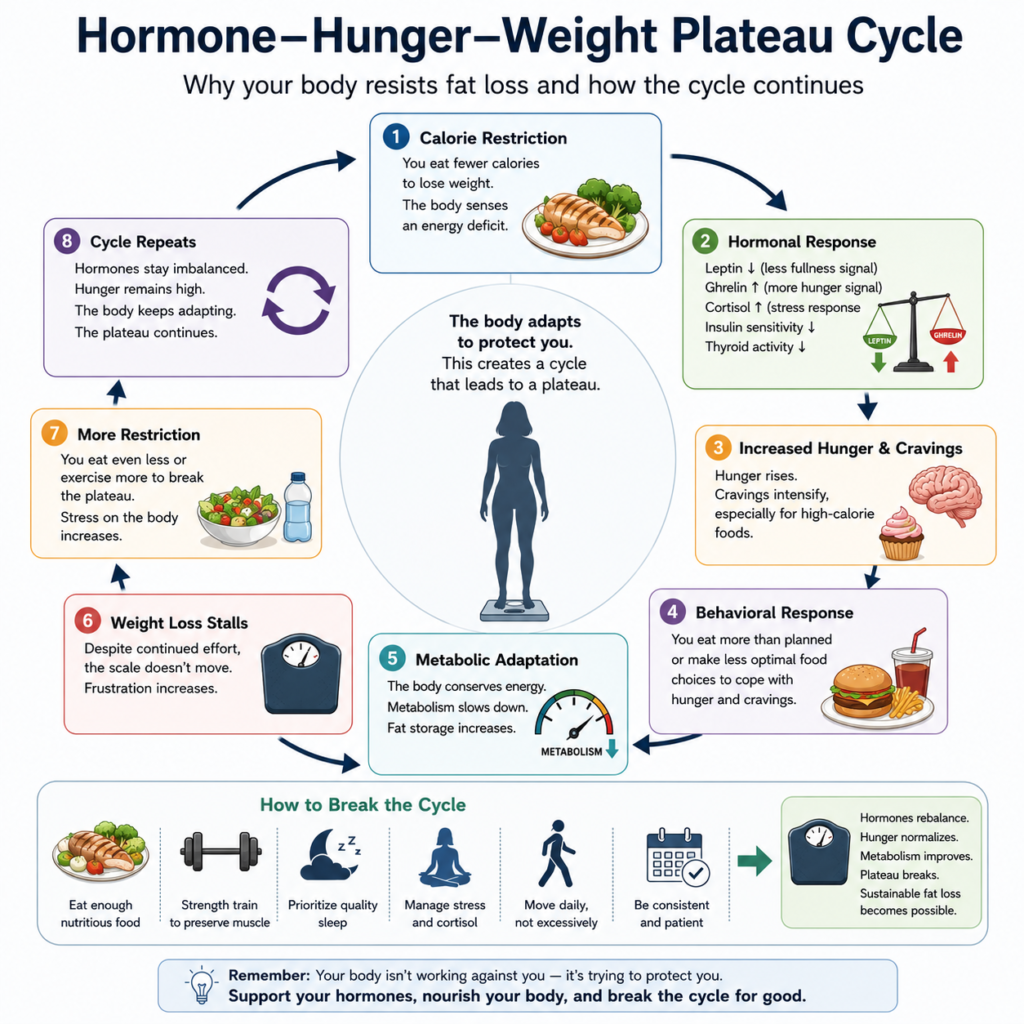
Traditional dieting usually focuses on eating less and exercising more. But the human body adapts quickly to starvation.
When calorie intake drops too low:
- hunger hormones increase
- metabolism slows
- muscle tissue breaks down
- fatigue rises
- cravings intensify
- stress hormones elevate
Eventually, most people regain the weight because the body interprets extreme restriction as a threat.
This is why sustainable fat loss requires metabolic repair, not starvation.

Insulin: The Master Fat Storage Hormone
One of the most important drivers of weight gain is insulin resistance.
Insulin helps move glucose from the bloodstream into cells. But when the body is exposed to constant sugar, refined carbohydrates, and overeating, cells become less responsive to insulin.
The pancreas responds by producing even more insulin.
Chronically elevated insulin levels promote:
- fat storage
- increased hunger
- blood sugar crashes
- inflammation
- reduced fat burning
This is why many people struggle to lose belly fat despite dieting.
Improving insulin sensitivity is one of the most effective ways to support metabolic health.
Muscle: The Missing Piece of Fat Loss
Many people focus only on losing weight rather than building metabolic resilience.
Muscle tissue plays a major role in:
- glucose regulation
- insulin sensitivity
- calorie burning
- hormonal balance
- long-term weight maintenance
Crash diets often reduce muscle mass, which lowers metabolic rate over time.
Strength training, walking, protein intake, and resistance exercise help preserve muscle while supporting sustainable fat loss.

Sleep and Stress Matter More Than Most People Realize
Poor sleep disrupts appetite hormones including ghrelin and leptin. Even one night of sleep deprivation can increase cravings for high-calorie foods.
Chronic stress also raises cortisol, which may contribute to:
- abdominal fat accumulation
- increased appetite
- emotional eating
- inflammation
- disrupted blood sugar regulation
Weight loss is not only about food. It is also about recovery, nervous system balance, and biological resilience.
What Actually Works for Sustainable Fat Loss
The best metabolic strategies are usually simple, sustainable, and biologically aligned.
Effective habits include:
- prioritizing protein
- eating whole foods
- reducing ultra-processed foods
- improving sleep quality
- strength training regularly
- walking daily
- managing stress
- supporting blood sugar stability
- building consistency rather than perfection
Small improvements repeated daily often outperform extreme short-term diets.
The Goal Is Metabolic Flexibility
A healthy metabolism can:
- efficiently burn fat
- regulate blood sugar
- maintain energy stability
- adapt to activity levels
- control appetite naturally
This is called metabolic flexibility.
Instead of chasing rapid weight loss, the real goal should be restoring metabolic function.
When the body becomes healthier internally, fat loss often follows naturally.
Final Thoughts
Weight loss is not simply a matter of willpower.
Many people struggling with fat loss are fighting against years of metabolic dysfunction caused by the modern environment. Understanding the biology behind metabolism changes the conversation from blame to strategy.
Real transformation happens when we stop attacking the body and start supporting it.
Sustainable fat loss is not about becoming smaller as quickly as possible.
It is about becoming metabolically healthier for life.
Explore Science-Based Guides for Preventive metabolism Care and Healthy