
Why Movement Is Essential for Joint Longevity
Human joints are designed for movement. Regular physical activity helps nourish cartilage, strengthen muscles, improve circulation, and maintain flexibility.
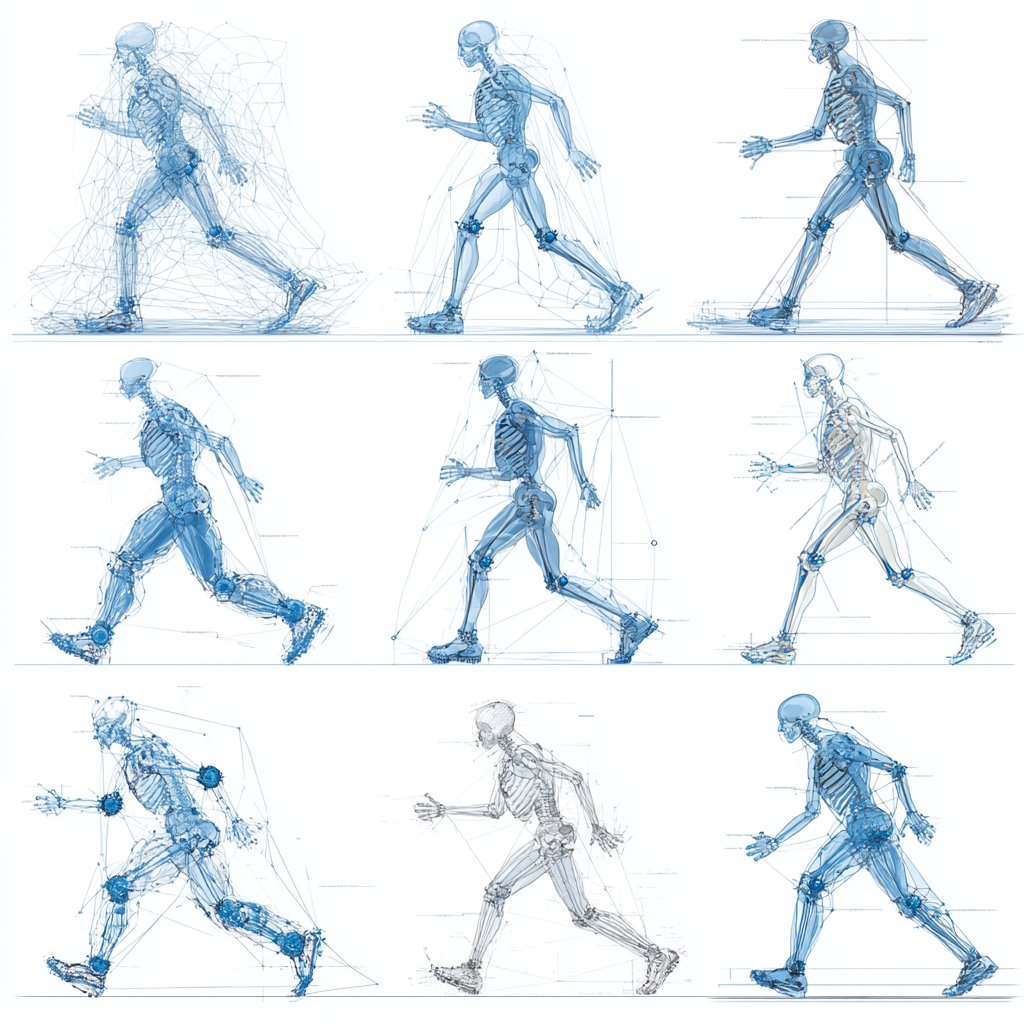
Ironically, pain often causes people to move less, which can worsen stiffness and weakness over time. Reduced movement decreases joint lubrication and contributes to muscle loss that destabilizes the joints.
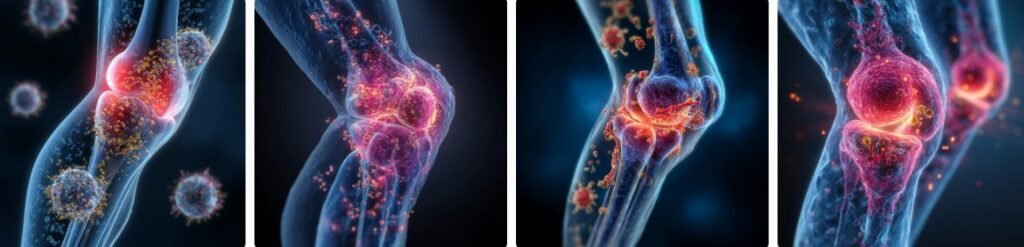
Motion helps circulate synovial fluid, the natural lubricant inside joints. This fluid supplies nutrients to cartilage and helps reduce friction during movement.
Different forms of movement provide different benefits:
- walking supports circulation and mobility,
- resistance training improves stability,
- stretching maintains flexibility,
- balance exercises reduce fall risk,
- and aerobic exercise supports metabolic health.
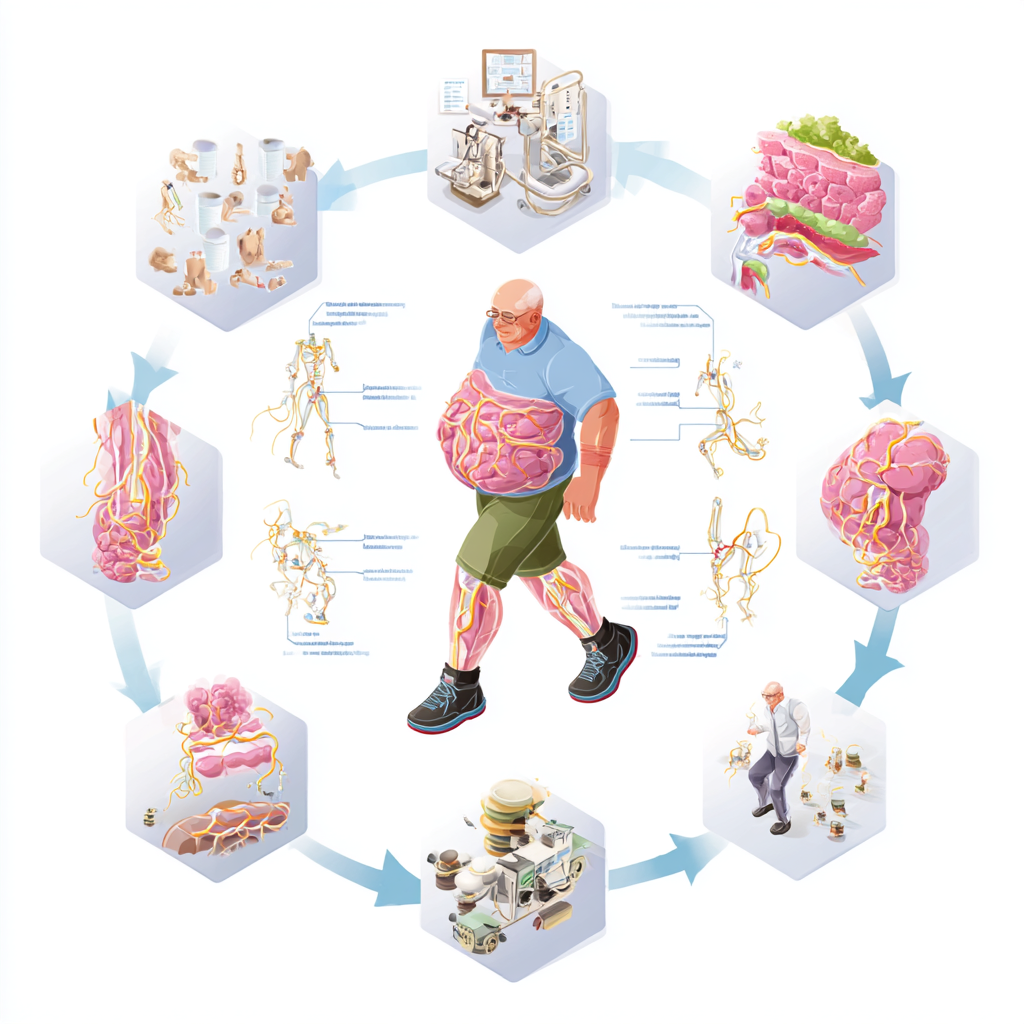
Muscle strength is particularly important. Weak muscles place greater mechanical stress on joints, especially the knees, hips, and spine.
Even small daily habits matter:
- standing more often,
- taking walking breaks,
- using stairs,
- stretching throughout the day,
- and maintaining posture awareness.
Consistency is usually more important than intensity. Excessive overtraining may increase injury risk, while moderate sustainable movement patterns support long-term resilience.

Mobility training is also valuable. Gentle range-of-motion exercises may help maintain flexibility and reduce stiffness associated with aging and inactivity.
Movement supports more than joints alone. Physical activity also improves:
- blood sugar control,
- cardiovascular health,
- mood,
- sleep quality,
- and cognitive function.
Mobility is deeply connected to healthy aging. Maintaining the ability to move comfortably influences independence, confidence, and overall quality of life.
To explore how specialized care integrates into whole-body health: