
The Joint–Muscle Connection Most People Overlook
Joints do not function alone. Every joint depends on surrounding muscles for stability, force absorption, and coordinated movement.
Weak muscles often increase joint strain. For example:
- weak glutes may affect knee mechanics,
- poor core strength may stress the spine,
- and weak shoulder stabilizers may contribute to upper-body discomfort.
This is why strengthening programs are often central to modern mobility strategies.
Muscle tissue acts like a biological shock absorber. Strong muscles reduce excessive loading forces placed directly on cartilage and ligaments.
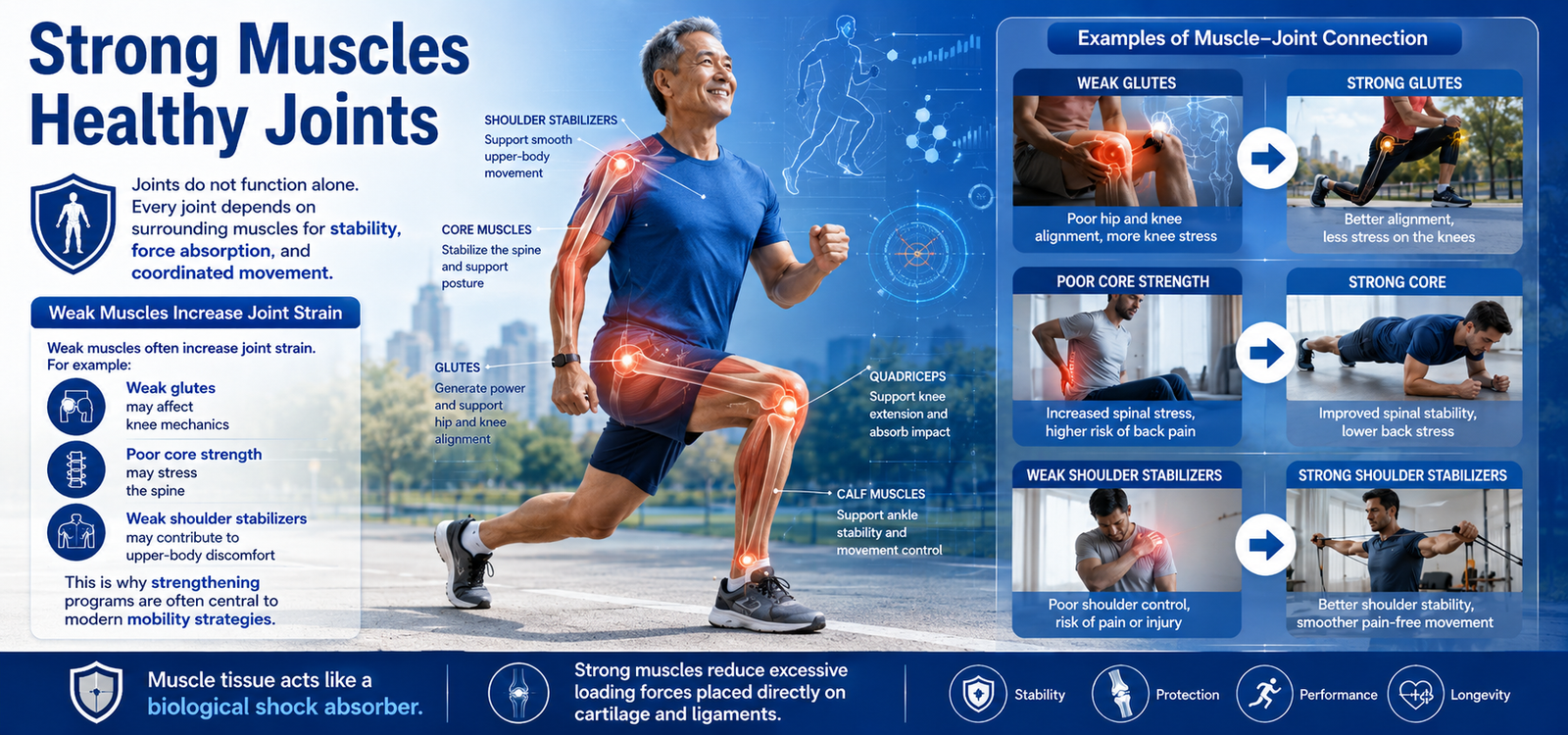
Figure 1. Strong Muscles, Healthy Joints
Joints do not function in isolation. Every movement we make depends on a complex partnership between muscles, tendons, ligaments, and connective tissues working together to provide stability and control. While joints allow movement, muscles help guide and protect that movement by absorbing forces that would otherwise be placed directly on cartilage and supporting structures.
When muscles become weak, joint mechanics can be affected. Weak glute muscles may alter hip and knee alignment, increasing stress on the knees. Poor core strength can reduce spinal stability and contribute to excess strain on the lower back. Similarly, weak shoulder stabilizers may lead to inefficient upper-body movement and increased discomfort during daily activities.
Modern mobility science increasingly emphasizes strengthening programs because stronger muscles help distribute forces more effectively throughout the body. By acting as biological shock absorbers, healthy muscles support joint function, improve movement efficiency, enhance balance, and help maintain long-term mobility and physical resilience throughout the aging process.
Figure 2. Resistance Training: More Than Muscle Strength
Resistance training is widely recognized for building and preserving muscle, but its benefits extend far beyond physical appearance. Research suggests that regular strength training may support multiple systems throughout the body, contributing to long-term health and functional independence.
One important benefit is improved bone density. Mechanical loading from resistance exercises helps stimulate bone remodeling, which may support skeletal strength as people age. Strength training has also been associated with better insulin sensitivity, allowing the body to regulate blood sugar more efficiently and support metabolic function.
In addition, resistance training may enhance overall metabolic health by helping maintain lean muscle mass, increasing energy expenditure, and supporting healthy body composition. Stronger muscles can also improve balance, coordination, and stability, reducing the risk of falls and supporting confident movement in daily life.
From a preventive health perspective, resistance training is increasingly viewed as a foundational component of healthy aging. By supporting muscles, bones, metabolism, and movement quality simultaneously, strength training helps build physical resilience and promotes long-term health across the lifespan.
Resistance training also supports:
- bone density,
- insulin sensitivity,
- metabolic health,
- and balance.
Importantly, strength training does not require extreme intensity. Even moderate resistance exercises performed consistently may improve function and stability.

Figure 3. Strength Training for Lifelong Mobility
Importantly, strength training does not require extreme workouts or elite athletic performance to produce meaningful benefits. Research suggests that even moderate resistance exercises performed consistently may help improve physical function, stability, and overall movement quality.
Many effective forms of resistance training are accessible to people of different ages and fitness levels. Examples include bodyweight exercises such as squats and wall push-ups, resistance band training, light dumbbell routines, water-based exercise programs, and controlled machine-based strength training. These approaches can be adapted to individual needs and mobility levels.
Regular resistance exercise may help preserve muscle mass, support joint stability, improve balance, and enhance coordination. Stronger muscles also assist with everyday activities such as walking, climbing stairs, carrying groceries, and maintaining independence later in life.
From a healthy aging perspective, consistency is often more important than intensity. Small amounts of strength training performed regularly can contribute to long-term mobility, reduce the risk of falls, and support physical resilience. Building strength gradually is one of the most practical strategies for maintaining movement and quality of life throughout the aging process.
Examples include:
- bodyweight exercises,
- resistance bands,
- light dumbbells,
- water-based exercise,
- and controlled machine training.
Proper form and gradual progression are important, especially for beginners.
Mobility and strength work together. Flexible joints without stability may increase injury risk, while strength without mobility may restrict movement patterns.
Balanced movement systems support long-term resilience and healthy aging.
Start protecting your mobility today — one small step can support stronger joints, better movement, and healthier aging.