
Gum Disease and Systemic Inflammation
The Silent Epidemic
Unlike toothaches, gum disease often progresses quietly.
Many people experience little pain until significant damage has occurred.
Yet periodontal disease affects millions worldwide.
It is one of the most common chronic inflammatory conditions.

Figure 1. The Gum Disease Silent Epidemic
Unlike a toothache or a broken tooth, gum disease often develops with little warning. In its earliest stages, many people experience only subtle symptoms such as occasional bleeding while brushing, mild gum tenderness, or persistent bad breath. Because these signs are easy to ignore, inflammation may continue silently for months or even years before noticeable pain or tooth mobility appears.
This hidden progression makes periodontal disease one of the most widespread chronic inflammatory conditions in the world, affecting millions of adults across every age group. As bacteria accumulate around the gumline, the body’s immune system responds with inflammation designed to fight infection. When this response becomes persistent, however, it can gradually damage the tissues and bone that support the teeth.
Modern research also suggests that periodontal inflammation is not confined to the mouth. Ongoing gum disease has been associated with broader systemic processes involving cardiovascular health, metabolic function, immune regulation, and healthy aging, although these relationships are complex and do not necessarily prove causation.
The encouraging news is that periodontal disease is often preventable and manageable through consistent oral hygiene, professional dental care, balanced nutrition, and healthy lifestyle habits. Recognizing the early warning signs and taking action before symptoms become severe can help preserve both oral health and long-term overall wellness.
From Gingivitis to Periodontitis
Gingivitis
Early inflammation of the gums.
Symptoms include:
- Redness
- Swelling
- Bleeding during brushing
At this stage, damage is usually reversible.
Periodontitis
If inflammation persists:
The immune response intensifies.
Supporting tissues break down.
Consequences include:
- Bone loss
- Gum recession
- Tooth mobility
- Tooth loss
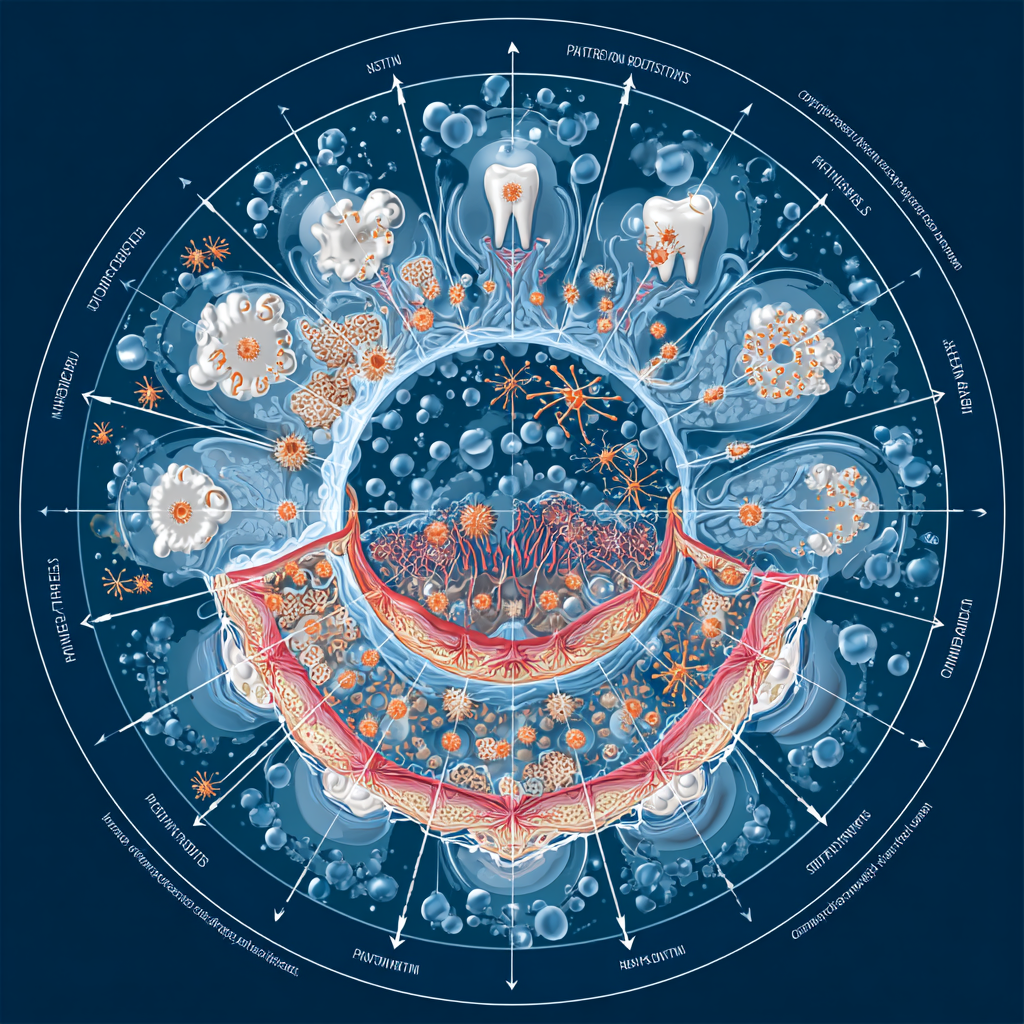
Figure 2. Periodontitis: When Inflammation Becomes Destructive
Healthy gums depend on a balanced relationship between oral bacteria and the body’s immune system. When plaque is not adequately removed, bacteria accumulate below the gumline and trigger a persistent inflammatory response. Instead of remaining protective, chronic inflammation begins to damage the very tissues it is meant to defend.
As periodontitis progresses, the immune response intensifies and inflammatory molecules stimulate the breakdown of collagen fibers, connective tissue, and the alveolar bone that anchors the teeth. The gums gradually separate from the tooth surface, forming deeper periodontal pockets where harmful bacteria continue to thrive, creating a self-perpetuating cycle of inflammation and tissue destruction.
The consequences can be significant. Bone loss reduces structural support, while gum recession exposes sensitive root surfaces and increases the risk of decay. Teeth may become loose or shift position, affecting both chewing function and appearance. In advanced cases, extensive destruction of the supporting tissues can ultimately lead to tooth loss.
Modern research also recognizes periodontitis as a chronic inflammatory disease with potential systemic implications, highlighting the importance of early prevention and treatment. Regular dental cleanings, effective daily brushing and flossing, smoking cessation, balanced nutrition, and management of conditions such as diabetes can help slow disease progression and preserve long-term oral health.
Key consequences of persistent periodontal inflammation include:
- Bone loss
- Gum recession
- Tooth mobility
- Tooth loss
Early intervention offers the best opportunity to protect both the teeth and the supporting structures that keep them healthy for life.
Biofilms and Immunity
Dental plaque is not simply debris.
It is a structured microbial community.
As biofilms mature:
Immune cells respond.
Inflammatory mediators increase.
When regulation fails, tissues are damaged.
In many ways, periodontal disease represents a dysregulated host-microbe interaction.
Risk Factors
Figure 3. Major Contributors to Periodontal Disease
Periodontal disease does not develop because of bacteria alone. Instead, it arises from a complex interaction between microbial communities, the immune system, genetics, lifestyle, and overall health.
Modern systems biology recognizes periodontitis as a chronic inflammatory condition influenced by multiple interconnected risk factors.
Smoking is one of the strongest modifiable contributors. Tobacco reduces blood flow to the gums, weakens immune defenses, impairs healing, and allows inflammation to progress with fewer visible symptoms, often delaying diagnosis until significant damage has occurred.
Diabetes and periodontal disease share a two-way relationship.
Elevated blood glucose promotes inflammation and reduces the body’s ability to fight infection, while severe gum disease may make blood sugar management more difficult. Maintaining good oral health is therefore an important component of metabolic wellness.
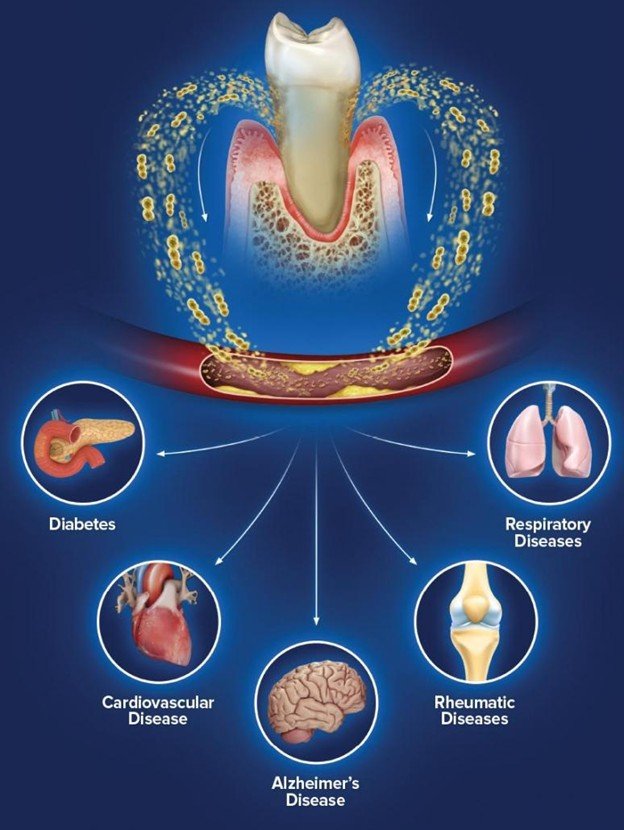
Genetics also play a role. Some individuals inherit immune response patterns that make them more susceptible to excessive inflammation and accelerated tissue destruction, even with similar levels of dental plaque.
Chronic stress influences hormone production and immune regulation. Increased cortisol levels may reduce the body’s ability to control bacterial growth and repair damaged tissues, creating an environment that favors persistent inflammation.
Poor oral hygiene allows plaque to mature into a complex bacterial biofilm that continuously stimulates the immune system. Without regular brushing, flossing, and professional cleanings, this biofilm can extend below the gumline and initiate progressive tissue damage.
Aging contributes through gradual changes in immune function, tissue repair, saliva production, and cumulative exposure to environmental risk factors. While aging itself does not cause periodontitis, it may increase vulnerability.
Finally, immune dysfunction can amplify inflammatory responses and reduce the body’s ability to maintain a healthy balance between beneficial microbes and harmful pathogens.
Together, these factors illustrate that periodontal disease is not simply a dental problem—it is a systems-based inflammatory condition influenced by lifestyle, genetics, metabolism, and immune health. Reducing modifiable risks and maintaining consistent preventive care remain the most effective strategies for preserving healthy gums and supporting overall well-being.
Major contributors include:
- Smoking
- Diabetes
- Genetics
- Stress
- Poor oral hygiene
- Aging
- Immune dysfunction
These factors often overlap.
Periodontal Disease and the Body
Researchers continue exploring systemic links.
Areas of interest include:
Cardiovascular Disease
Inflammation and vascular interactions.
Diabetes
Bidirectional influences.
Rheumatoid Arthritis
Shared inflammatory pathways.
Cognitive Aging
Potential neuroinflammatory mechanisms.
Adverse Pregnancy Outcomes
Ongoing investigation.
Prevention Strategies
Daily habits matter.
Recommendations include:
- Twice-daily brushing
- Interdental cleaning
- Regular examinations
- Smoking cessation
- Diabetes management
- Healthy nutrition
Modern Treatment Approaches
Treatment may involve:
- Professional cleaning
- Scaling and root planing
- Periodontal maintenance
- Surgical procedures
- Risk-factor modification
- Patient education
The goal is controlling inflammation and preserving function.
Key Takeaway
Healthy gums support healthy aging.
Protecting periodontal tissues may benefit not only the mouth, but the entire body.
Modern dentistry is no longer limited to teeth and gums. It is becoming a gateway to understanding how oral health influences inflammation, metabolism, immunity, aging, and whole-body resilience. Explore how the future of dentistry is evolving into a cornerstone of preventive longevity medicine.