
Which Supplements Have the Best Evidence?
Beta-Sitosterol, Pygeum, and Other Ingredients
While saw palmetto receives the most attention, several other ingredients may possess stronger evidence for urinary symptom support.
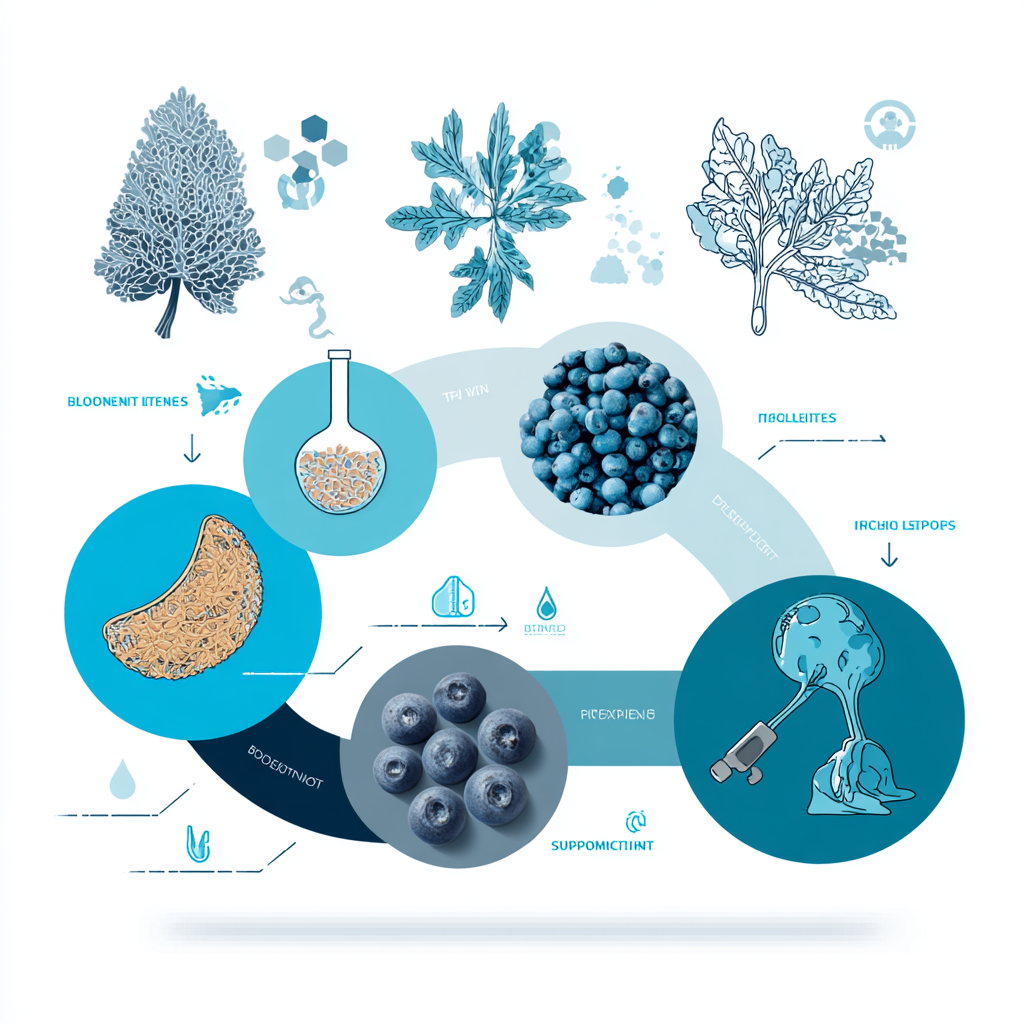
Figure 1. Which Supplements Have the Best Evidence?
Although saw palmetto is the most widely recognized herbal ingredient for prostate health, research suggests that beta-sitosterol may have stronger and more consistent evidence for supporting mild urinary symptoms associated with aging.
Beta-sitosterol is a naturally occurring plant sterol found in a variety of everyday foods, including:
- Nuts
- Seeds
- Vegetable oils
- Legumes
- Whole grains
Clinical studies have reported that beta-sitosterol supplementation may help improve several measures of lower urinary tract function, including:
- Reduced urinary symptom scores
- Improved urine flow rate
- Lower residual urine volume after voiding
- Greater overall urinary comfort
Researchers believe these benefits may result from multiple biological actions rather than a single mechanism. Proposed pathways include:
- Modulating dihydrotestosterone (DHT) activity, a hormone involved in prostate growth
- Supporting a balanced inflammatory response within prostate tissue
- Promoting healthy smooth muscle function in the bladder neck and urinary tract, which may contribute to easier urine flow
Unlike medications that directly shrink the prostate or relax urinary muscles, beta-sitosterol appears to provide functional support without dramatically altering hormone levels. Most studies suggest that improvements are modest rather than immediate, and benefits are generally greatest when combined with broader lifestyle measures such as regular exercise, maintaining a healthy weight, limiting excessive evening fluid intake, and consuming a diet rich in plant-based foods.
While beta-sitosterol shows promising evidence, no supplement should be viewed as a cure for benign prostatic hyperplasia (BPH) or other urinary conditions. Men experiencing worsening symptoms, blood in the urine, recurrent infections, urinary retention, or elevated PSA levels should seek professional medical evaluation to rule out more serious underlying conditions.
A comprehensive approach that combines nutrition, healthy habits, and appropriate medical care remains the most evidence-based strategy for supporting long-term urinary and prostate health.
Beta-Sitosterol
Beta-sitosterol is a plant sterol naturally found in:
• Nuts
• Seeds
• Vegetable oils
• Legumes
Studies suggest beta-sitosterol may improve:
• Urinary symptom scores
• Flow rate
• Residual urine volume
Potential mechanisms include:
• Modulating DHT activity
• Influencing inflammation
• Supporting smooth muscle function
Clinical improvements are generally moderate. Evidence suggests benefits may be less robust than pharmaceutical therapies but meaningful for selected men. (PMC)
Pygeum
Derived from African cherry tree bark, pygeum has been traditionally used for urinary complaints.

Figure 2. Pygeum and Pumpkin Seed Extract: What Does the Evidence Suggest?
While saw palmetto often receives the most attention, it is not the only botanical studied for urinary health. Research has explored several plant-based ingredients that may provide modest support for men experiencing mild lower urinary tract symptoms associated with benign prostate enlargement.
Pygeum (African Cherry Bark Extract)
Pygeum is derived from the bark of the African cherry tree (Prunus africana) and has been used in traditional medicine for decades to support urinary function.
Clinical studies suggest that some men may experience improvements in:
- Reduced nighttime urination (nocturia)
- Improved urinary flow
- Better bladder emptying
- Enhanced overall urinary comfort and symptom perception
Several biological mechanisms have been proposed, including:
- Modulation of inflammatory pathways
- Reduction of tissue swelling (edema)
- Support of normal bladder muscle contractility
- Possible effects on growth factors involved in prostate tissue remodeling
Although individual studies report positive findings, systematic reviews indicate that clinical improvements are generally moderate rather than dramatic. The evidence suggests that benefits may be less robust than those achieved with prescription medications, yet still meaningful for carefully selected men with mild symptoms who prefer conservative management.
Pumpkin Seed Extract
Pumpkin seed extract has gained increasing attention as another natural ingredient for prostate and bladder health.
Pumpkin seeds naturally contain:
- Phytosterols
- Zinc
- Healthy fatty acids
- Antioxidants
- Plant polyphenols
Researchers believe these compounds may help support normal urinary function by:
- Promoting healthy prostate tissue
- Supporting bladder muscle performance
- Modulating mild inflammatory responses
- Helping maintain normal hormone balance
Several clinical studies have reported improvements in urinary symptom scores, frequency, and quality of life among men using pumpkin seed extract, although the magnitude of benefit is typically modest.
Practical Takeaway
Current evidence suggests that pygeum and pumpkin seed extract may provide supportive benefits for urinary health, particularly in men with mild lower urinary tract symptoms. However, these supplements should be viewed as part of a broader wellness strategy that includes healthy weight management, regular physical activity, adequate hydration, and routine medical evaluation.
Men experiencing worsening urinary symptoms, blood in the urine, recurrent infections, urinary retention, or elevated PSA levels should seek professional medical assessment rather than relying solely on dietary supplements. Supplement responses vary considerably between individuals, and no botanical therapy has consistently demonstrated effects comparable to standard pharmaceutical treatments across all clinical studies.
Research suggests it may support:
• Reduced nighttime urination
• Improved urinary flow
• Better overall symptom perception
Possible actions include:
• Anti-inflammatory effects
• Reduction of edema
• Influence on bladder contractility
Pumpkin Seed Extract
Pumpkin seeds provide:
• Phytosterols
• Zinc
• Healthy fats
• Antioxidants
Small studies suggest potential improvements in urinary comfort and quality of life.
Rye Grass Pollen Extract
Often called Cernilton, rye pollen has demonstrated possible benefits for:
• Urinary symptoms
• Pelvic discomfort
• Chronic prostatitis support
Stinging Nettle
Nettle root is frequently combined with saw palmetto.
Research suggests it may:
• Influence inflammatory pathways
• Affect hormone metabolism
• Improve symptom perception.
Overall, the strongest evidence among natural ingredients currently appears to favor:
- Beta-sitosterol
- Pygeum
- Rye pollen extract
- Saw palmetto
These ingredients may provide symptom relief for some men.
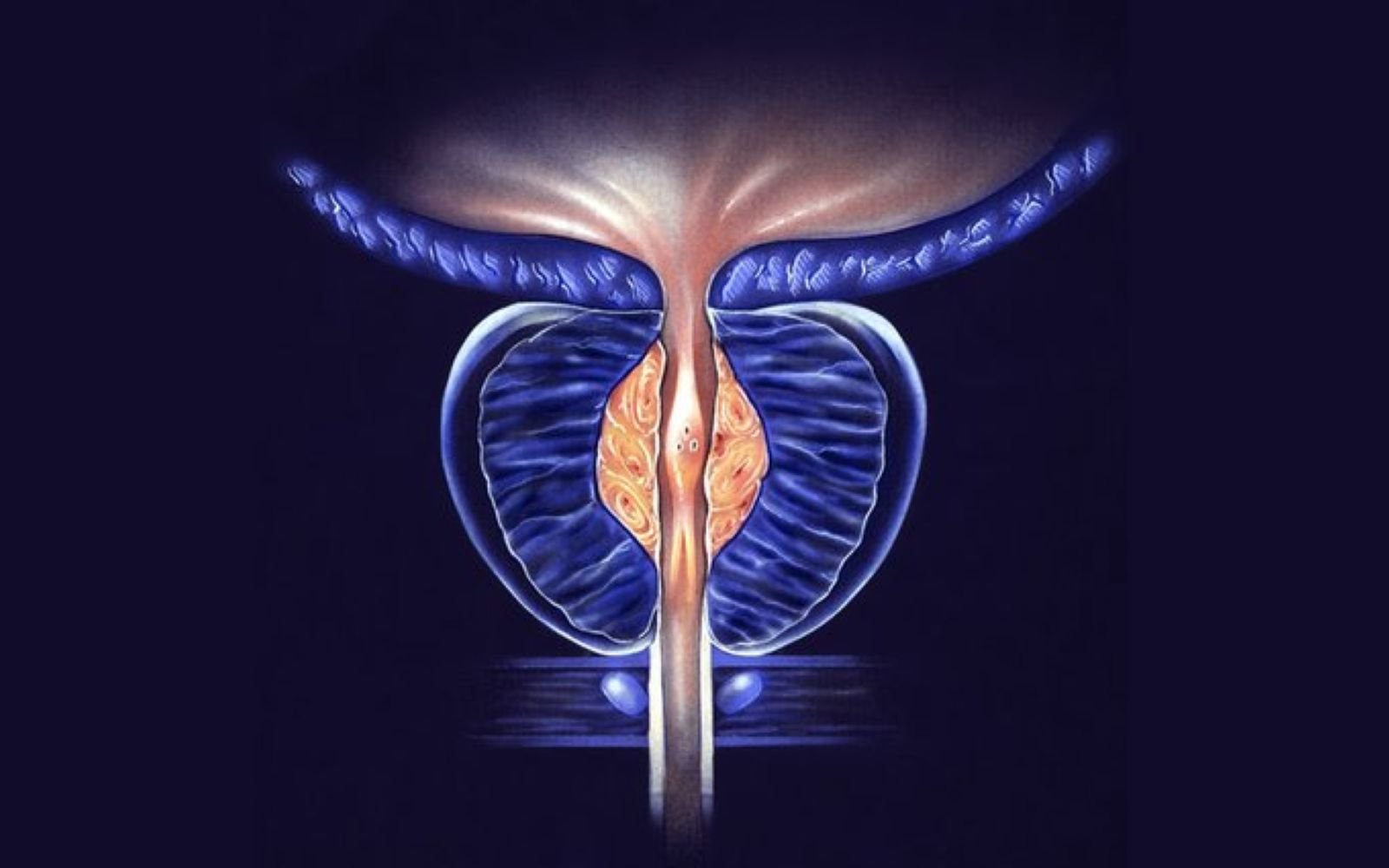
Figure 3. Natural Ingredients for Benign Prostatic Hyperplasia (BPH): What Does the Evidence Suggest?
Benign prostatic hyperplasia (BPH) is one of the most common causes of lower urinary tract symptoms in aging men. Many individuals seek natural supplements to reduce frequent urination, improve urinary flow, and decrease nighttime bathroom visits. Although several plant-derived ingredients have shown promise, current evidence suggests that their benefits are generally modest rather than curative.
Among the most extensively studied natural ingredients, beta-sitosterol appears to have the strongest clinical support. Multiple studies have reported improvements in urinary symptom scores, urinary flow rate, and residual urine volume. Researchers believe these effects may result from modulation of inflammation, smooth muscle function, and hormone metabolism.
Pygeum africanum, extracted from the bark of the African cherry tree, has also demonstrated beneficial effects in several clinical trials. Men taking pygeum have reported reduced nighttime urination, improved urinary flow, and better overall symptom perception. Proposed mechanisms include anti-inflammatory activity, reduced tissue swelling, and support of bladder function.
Rye pollen extract has been investigated for its potential to relieve urinary discomfort and improve quality of life. Some studies suggest modest reductions in urinary frequency and improvements in overall symptoms, although the exact biological mechanism remains incompletely understood.
Saw palmetto remains the most popular prostate supplement worldwide. Laboratory studies indicate that it may influence dihydrotestosterone (DHT) metabolism and inflammatory pathways. However, large randomized clinical trials have produced mixed results, with some showing modest symptom improvement while others found little difference compared with placebo.
Overall Takeaway
Current evidence suggests that the strongest natural ingredients for urinary symptom support include:
- Beta-sitosterol
- Pygeum
- Rye pollen extract
- Saw palmetto
These supplements may provide symptom relief for some men, particularly those with mild to moderate lower urinary tract symptoms. However, none have convincingly demonstrated the ability to cure BPH, reverse prostate enlargement, or replace standard medical therapies. Individual responses vary, and improvements are typically gradual and moderate rather than dramatic.
Natural supplements are best viewed as one component of a comprehensive prostate health strategy that also includes maintaining a healthy weight, regular physical activity, limiting excessive evening fluids and alcohol, managing metabolic health, and seeking medical evaluation if symptoms worsen or are accompanied by blood in the urine, urinary retention, recurrent infections, or elevated prostate-specific antigen (PSA) levels.
This balanced, evidence-based approach offers realistic expectations while emphasizing long-term urinary and overall health.
None have convincingly demonstrated the ability to cure BPH or eliminate the need for medical treatment when symptoms become severe.
Prostate Support Supplements: What Science Suggests
An Evidence-Based Guide to Prostate Health, Ingredients, and Realistic Expectations