
The Circadian Clock: Your Internal Sleep Operating System
At the center of healthy sleep lies a remarkable biological timing system known as the circadian rhythm.
This internal clock coordinates thousands of processes throughout the body.
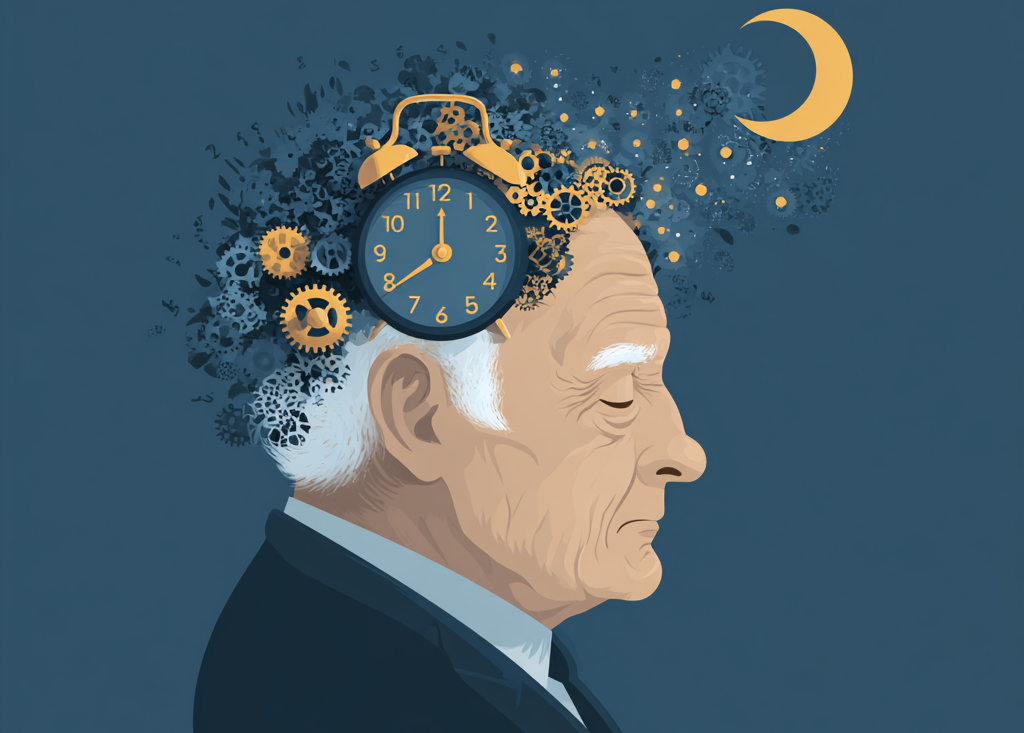
Figure 1. At the Center of Healthy Sleep: Circadian Rhythm
At the heart of healthy sleep lies a remarkable biological timing system known as the circadian rhythm. Often called the body’s internal clock, this system coordinates thousands of physiological processes every day, helping the body anticipate regular cycles of light and darkness rather than simply reacting to them.
The circadian rhythm is primarily regulated by a small group of neurons in the brain called the suprachiasmatic nucleus (SCN), located within the hypothalamus.
By receiving signals from the eyes about environmental light, the SCN synchronizes the body’s biological functions with the 24-hour day.
What Is Circadian Rhythm?
Circadian rhythms are approximately 24-hour biological cycles that influence nearly every organ system. They help regulate:
- Sleep and wakefulness
- Melatonin release
- Body temperature
- Cortisol and stress hormone production
- Metabolism and blood sugar regulation
- Blood pressure and heart function
- Immune activity
- Memory, attention, and cognitive performance
Rather than remaining constant throughout the day, these functions rise and fall according to predictable biological patterns. As evening approaches, melatonin production increases, body temperature gradually declines, and the brain prepares for restorative sleep. In the morning, cortisol naturally rises, promoting alertness and energy.
Modern lifestyles, however, often challenge this ancient biological system. Late-night screen exposure, shift work, irregular schedules, artificial lighting, and chronic stress can disrupt circadian timing, leading to difficulty falling asleep, fragmented sleep, daytime fatigue, and metabolic disturbances.
Supporting circadian health involves simple but powerful habits: maintaining consistent sleep and wake times, seeking morning sunlight, limiting bright light before bedtime, engaging in regular physical activity, and creating a calm evening routine. These daily behaviors help reinforce the body’s natural rhythm, promoting better sleep quality, improved mental performance, healthier metabolism, and long-term well-being.
Circadian rhythms are approximately 24-hour cycles that regulate:
• Sleep and wakefulness
• Hormone release
• Body temperature
• Digestion
• Metabolism
• Immune activity
• Cognitive performance
The master clock resides within the brain’s suprachiasmatic nucleus (SCN).
This tiny structure responds primarily to light.
Morning Light: Nature’s Reset Button
Exposure to natural morning light sends a powerful signal:
“It’s daytime.”
Figure 2. Morning Light: The Natural Reset Button for Your Biological Clock
One of the most powerful signals for healthy sleep occurs shortly after waking. Natural morning sunlight acts as a biological time cue, informing the brain that a new day has begun and helping synchronize the body’s internal clock with the external environment.
When light enters the eyes, specialized retinal cells send signals to the suprachiasmatic nucleus (SCN)—the master circadian clock located in the hypothalamus. This process triggers a cascade of hormonal and neurological changes that prepare the body for daytime activity.
Morning light helps regulate:
- Cortisol Awakening Response – A healthy rise in cortisol shortly after waking promotes alertness, focus, and readiness for the day.
- Melatonin Timing – Exposure to daylight suppresses melatonin production in the morning and helps ensure its release occurs at the appropriate time in the evening.
- Alertness and Cognitive Performance – Natural light enhances attention, mood, reaction time, and mental clarity throughout the day.
- Cellular Energy Production – Proper circadian alignment supports mitochondrial function, metabolism, and efficient energy utilization across multiple organ systems.
Research suggests that just 10–20 minutes of outdoor morning light—particularly within the first hour after waking—may help strengthen circadian rhythms and improve nighttime sleep quality. On cloudy days, outdoor light is still significantly brighter than typical indoor lighting and can provide meaningful biological benefits.
Making morning sunlight a daily habit, combined with consistent sleep schedules, regular physical activity, and reduced evening screen exposure, creates a strong foundation for healthy circadian alignment. Rather than relying solely on sleep aids, supporting the body’s natural timing system allows biology to work as it was designed, promoting restorative sleep, sustained daytime energy, and long-term metabolic and brain health.
This helps regulate:
• Cortisol awakening response
• Melatonin timing
• Alertness
• Energy production
Even 10–20 minutes of outdoor morning light may support healthier circadian alignment.
Blue Light at Night
Artificial light delays melatonin release.
Common sources include:
• Smartphones
• Tablets
• Computers
• LED lighting
• Television screens
Late-night exposure can trick the brain into believing daytime has returned.
Circadian-Friendly Habits
To support your internal clock:
✓ Wake at consistent times.
✓ Seek morning sunlight.
✓ Dim lights after sunset.
✓ Limit screen exposure before bed.
✓ Maintain regular meal timing.
✓ Avoid major schedule swings.
Figure 3. Circadian-Friendly Habits: Small Daily Choices That Shape Better Sleep
Healthy sleep is not determined by one evening routine alone. It is the result of consistent signals that reinforce your body’s internal clock every day.
By aligning daily behaviors with natural circadian rhythms, you can support deeper sleep, greater daytime energy, and improved long-term health.
Simple circadian-friendly habits include:
✓ Wake at consistent times.
Getting up at the same time each day strengthens the body’s biological clock and helps establish a predictable sleep-wake cycle.
✓ Seek morning sunlight.
Natural daylight soon after waking signals the brain that the day has begun, supporting healthy cortisol release and proper evening melatonin production.
✓ Dim lights after sunset.
Reducing exposure to bright artificial light allows the brain to transition into its natural nighttime physiology and prepares the body for sleep.
✓ Limit screen exposure before bed.
Phones, tablets, and computers emit blue-enriched light that can delay melatonin secretion and increase mental stimulation, making it more difficult to fall asleep.
✓ Maintain regular meal timing.
The digestive system also follows circadian rhythms. Eating meals at consistent times may help synchronize metabolic processes and support stable energy levels.
✓ Avoid major schedule swings.
Frequently staying up late or sleeping in on weekends creates a form of “social jet lag,” forcing the body’s internal clock to continually readjust.
The goal is not perfection but consistency. Small daily habits repeated over months and years may have a greater impact on sleep quality than occasional drastic changes. By respecting the body’s natural timing system, you create an environment that supports restorative sleep, balanced hormones, optimal brain function, and healthier aging.
Sleep Begins Long Before Bedtime
One of the most important principles of sleep medicine is this:
You don’t prepare for sleep at bedtime.
You prepare for sleep all day long.
Circadian health creates the biological conditions that allow deep sleep to emerge naturally.
Sleep is one of the most underestimated pillars of preventive longevity.
Modern neuroscience now shows that high-quality sleep directly supports: