
The Brain Song™: A Systems-Based Approach to Brain Wellness
Modern life places extraordinary demands on the human brain. From the moment we wake up until we fall asleep, our attention is constantly pulled by emails, social media, work responsibilities, news alerts, and endless streams of information. Many people describe feeling mentally exhausted long before the day ends.
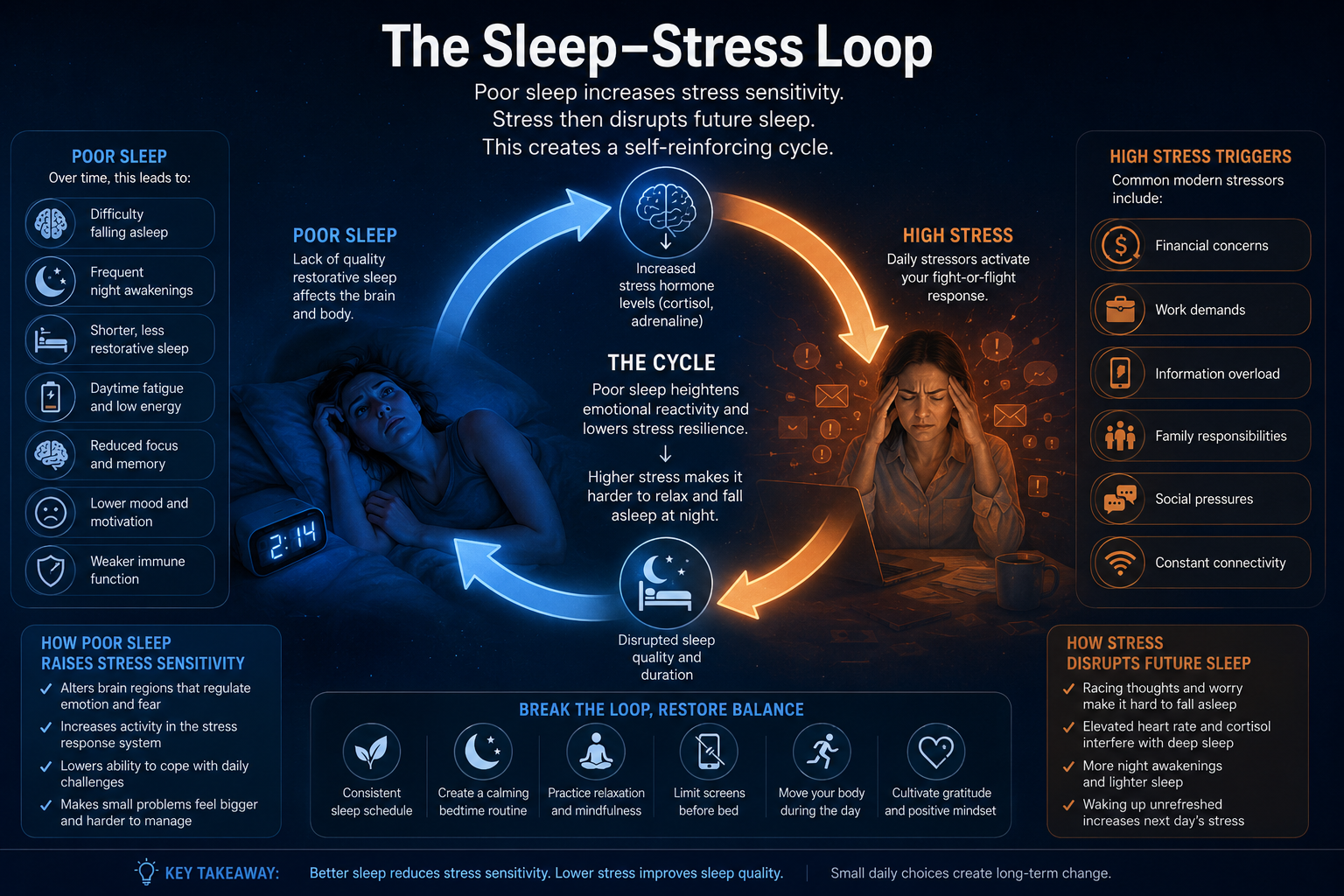
Figure 1. Modern Life and the Overloaded Brain
Modern life places extraordinary demands on the human brain. From the moment we wake up until we fall asleep, our attention is pulled in countless directions by emails, social media notifications, work deadlines, breaking news, family responsibilities, and an endless stream of digital information. Many people finish the day feeling mentally drained, even if they have spent most of it sitting at a desk.
Unlike our ancestors, who experienced periods of intense activity followed by recovery, today’s environment encourages continuous stimulation with very few opportunities for true mental rest. Smartphones keep us connected around the clock, while multitasking and information overload force the brain to constantly switch focus. Each interruption requires additional cognitive effort, gradually increasing mental fatigue and reducing the ability to concentrate.
As stress accumulates, the body’s fight-or-flight system becomes more active. Stress hormones such as cortisol and adrenaline remain elevated, making it difficult to relax when bedtime arrives. Racing thoughts, emotional tension, and persistent worry can delay sleep onset or lead to frequent nighttime awakenings. The result is poor-quality sleep that leaves the brain without the restorative recovery it needs.
This creates a self-reinforcing cycle: inadequate sleep increases sensitivity to stress, while elevated stress further disrupts future sleep. Over time, people may notice reduced focus, memory lapses, irritability, low energy, decreased motivation, and a general sense of cognitive overload.
Breaking this cycle does not require perfection but rather consistent daily habits. Maintaining a regular sleep schedule, limiting screen exposure before bed, practicing mindfulness or deep breathing, engaging in physical activity, and creating moments of intentional quiet can help restore balance. Small lifestyle changes, repeated over time, support the brain’s natural recovery systems and promote greater mental clarity, emotional resilience, and overall well-being.
Key Message: The modern world constantly competes for our attention, but the brain thrives on periods of recovery. Prioritizing sleep and stress management is one of the most effective ways to protect cognitive health, improve resilience, and support long-term mental performance.
The Brain Song™ is designed around a different philosophy. Rather than attempting to force the brain into peak performance, it encourages an environment that supports relaxation, mental recovery, and healthy cognitive habits.
The Brain Was Never Designed for Constant Stimulation
For most of human history, the brain experienced natural cycles of activity and rest.
People spent time outdoors.
Conversations occurred face-to-face.
Silence was common.
Periods of recovery naturally balanced periods of effort.
Today, many individuals spend ten or more hours each day interacting with digital devices. Notifications, multitasking, and continuous information processing keep the nervous system engaged long after work has ended.
Over time, this constant stimulation may contribute to:
- Mental fatigue
- Difficulty concentrating
- Poor sleep quality
- Increased stress perception
- Reduced attention span
- Cognitive overload
The Brain Song™ aims to create intentional moments of cognitive rest that may help interrupt this cycle.
A Systems Perspective
Brain health is influenced by interconnected biological systems rather than a single pathway.
These include:
- Sleep quality
- Stress regulation
- Nervous system balance
- Blood circulation
- Emotional wellbeing
- Metabolic health
- Physical activity
- Social connection
When one system becomes disrupted, others often follow.

Figure 2. The Brain Song™: A Systems-Based Approach to Brain Wellness
The human brain does not function in isolation. Rather than relying on a single pathway, cognitive performance and mental resilience emerge from the interaction of multiple biological systems that continuously communicate with one another. When these systems are well supported, they create an environment that promotes focus, emotional balance, learning, and long-term brain health.
One of the most important foundations is sleep quality, during which the brain consolidates memories, removes metabolic waste, and restores neural networks. Stress regulation is equally essential, as chronic activation of the body’s stress response can interfere with attention, mood, and cognitive flexibility. Supporting a balanced nervous system allows the brain to transition more effectively between periods of concentration and recovery.
Healthy blood circulation ensures that brain cells receive a continuous supply of oxygen and nutrients needed for energy production. At the same time, metabolic health influences how efficiently neurons utilize glucose and maintain stable cognitive performance throughout the day. Regular physical activity further enhances circulation, supports neuroplasticity, and contributes to overall mental wellbeing.
Brain wellness is also shaped by emotional wellbeing and social connection. Positive relationships, meaningful interactions, and emotional resilience stimulate neural networks associated with memory, communication, and adaptive thinking while helping buffer the effects of chronic stress.
The philosophy behind The Brain Song™ reflects this interconnected perspective. Rather than focusing on a single “magic solution,” it encourages moments of relaxation, mindful listening, and cognitive recovery that complement healthy daily habits. Audio-based wellness experiences may help create intentional pauses from constant stimulation, supporting a calmer mental state and a more balanced nervous system.
Ultimately, brain health is a systems-based process built through consistent lifestyle choices. Prioritizing restorative sleep, managing stress, maintaining metabolic fitness, staying physically active, nurturing relationships, and allowing time for mental recovery work together to support cognitive performance and long-term neurological resilience.
For example, chronic stress may interfere with sleep, poor sleep can reduce concentration, reduced concentration increases frustration, and frustration further elevates stress.
This creates a self-reinforcing loop.
Audio wellness experiences attempt to support one important piece of this larger network: relaxation.
The Role of Intentional Listening
Listening sessions encourage people to step away from distractions.
Instead of checking messages or switching between multiple tasks, users focus on sound and breathing.
This simple practice may help create:
- Mental quiet
- Reduced sensory overload
- Improved present-moment awareness
- Temporary cognitive recovery
- Emotional decompression
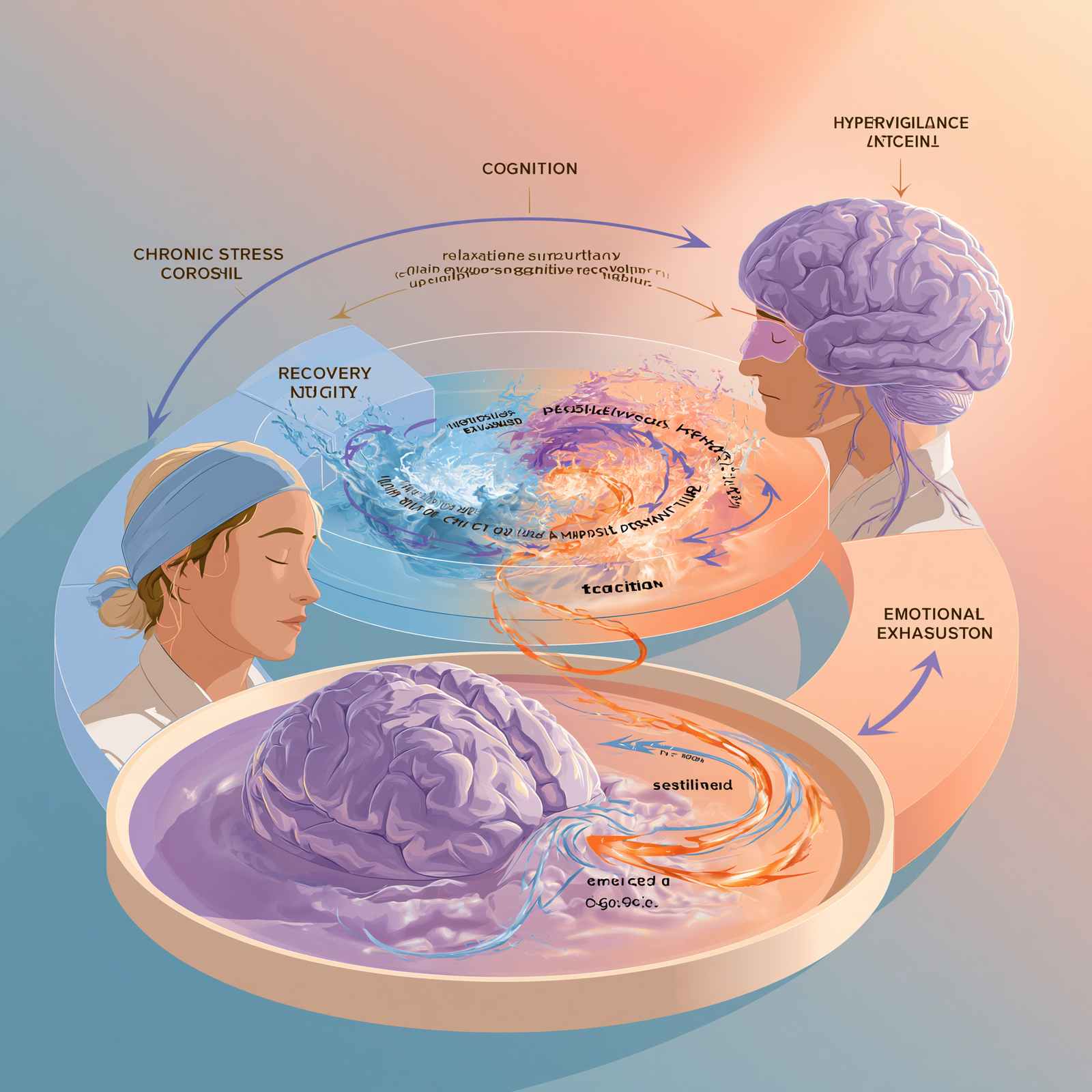
Figure 3. Description: Temporary Cognitive Recovery Through Intentional Mental Rest
In a world of constant notifications, multitasking, and information overload, the brain rarely has an opportunity to fully rest. Even during moments of physical inactivity, mental activity often continues through planning, worrying, remembering, or endless internal dialogue. Over time, this continuous stimulation may contribute to cognitive fatigue and emotional exhaustion. Simple mindfulness or relaxation practices can provide brief but valuable periods of recovery. By intentionally reducing external input and gently focusing attention, the brain may shift away from a state of hypervigilance and toward a calmer, more restorative mode of processing.
Many people report experiencing:
- Mental quiet, with fewer racing thoughts and reduced internal chatter
- Reduced sensory overload, allowing the mind to process information without constant interruption
- Improved present-moment awareness, increasing attention to breathing, bodily sensations, or the surrounding environment
- Temporary cognitive recovery, creating a sense of mental refreshment after periods of intense concentration
- Emotional decompression, helping release accumulated stress and promoting a greater feeling of calm
These experiences do not represent a cure for stress, anxiety, or cognitive disorders. Rather, they reflect the brain’s natural ability to recover when given moments of reduced stimulation and intentional rest.
Neuroscience increasingly recognizes that recovery is an essential component of optimal cognitive performance. Just as muscles require recovery after exercise, the brain benefits from regular periods of quiet reflection, relaxation, and mindful awareness.
When practiced consistently as part of a healthy lifestyle—including adequate sleep, physical activity, balanced nutrition, and stress management—these simple moments of mental stillness may contribute to improved resilience, clearer thinking, and a greater sense of overall well-being.
While experiences vary from person to person, many individuals appreciate having a dedicated period that encourages slowing down.
Wellness Rather Than Miracle Claims
The Brain Song™ does not promise to cure disease or instantly transform memory.
Instead, it aligns with modern preventive wellness principles:
small daily habits,
consistent recovery,
stress management,
and long-term brain support.
The most powerful benefit may simply be creating space for the brain to recover in an increasingly overstimulated world.
Ready to experience The Brain Song™ for yourself?
Understanding the science is only the beginning. The true value of audio wellness emerges through consistent practice. Explore how The Brain Song™ can become part of your daily rhythm—supporting moments of focus, emotional balance, cognitive relaxation, and mental recovery through intentional listening habits.