The Scientific Foundation of the UsUPTON Preventive Intelligence™ Framework
Evidence Center™ is the scientific foundation of the UsUPTON Preventive Intelligence™ Framework. It translates high-quality research, clinical guidelines, and biomarker science into trustworthy health education through evidence-based medicine, explainable AI, and expert medical oversight, supporting informed preventive decisions and lifelong health optimization.
1. Scientific Evidence & Clinical Foundations
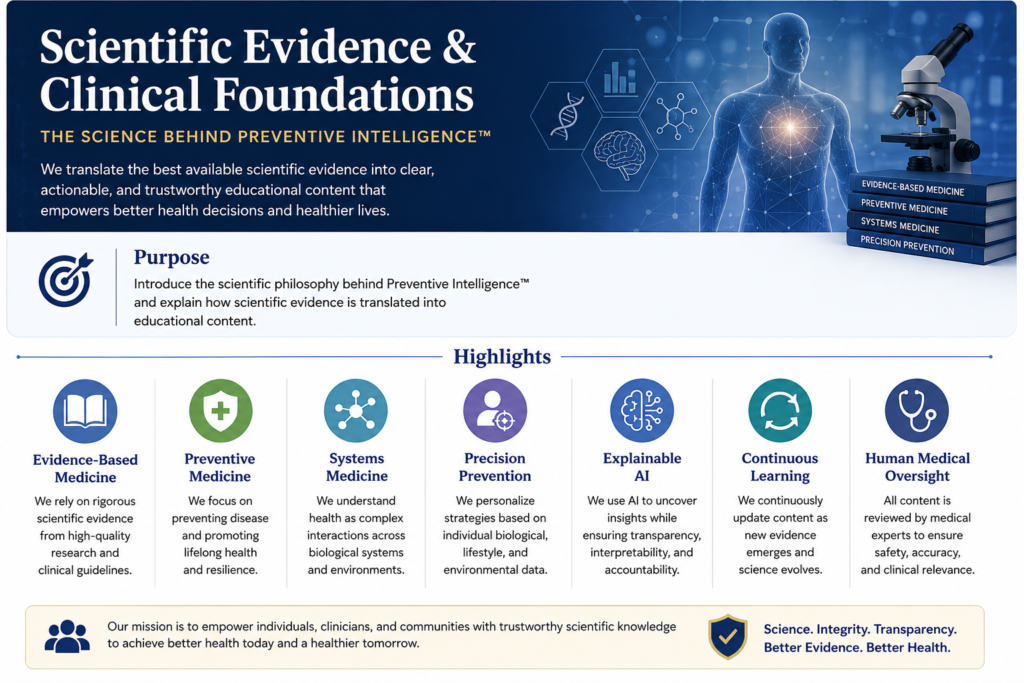
Figure 1. The Scientific Foundation of Preventive Intelligence™
This figure introduces the scientific foundations of Preventive Intelligence™, illustrating how high-quality scientific evidence is transformed into practical health education. The framework integrates evidence-based medicine, preventive medicine, systems medicine, precision prevention, explainable artificial intelligence, continuous learning, and human medical oversight into a unified educational model. Scientific research, clinical guidelines, and expert review provide the evidence base, while transparent interpretation and responsible AI support personalized learning and preventive decision-making. Together, these principles ensure that all educational content remains accurate, trustworthy, clinically relevant, and continuously updated.
2. Our Scientific Foundation
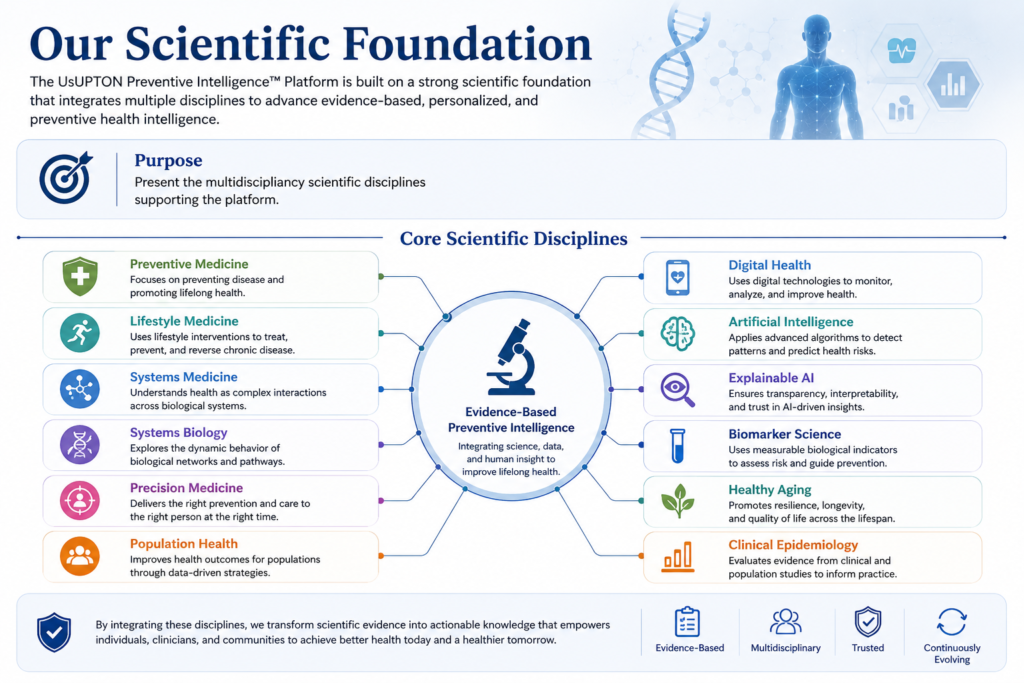
Figure 2. The Multidisciplinary Scientific Foundation of Preventive Intelligence™
This figure presents the multidisciplinary scientific foundation of the UsUPTON Preventive Intelligence™ Framework. It integrates preventive medicine, lifestyle medicine, systems medicine, systems biology, precision medicine, population health, digital health, artificial intelligence, explainable AI, biomarker science, healthy aging, and clinical epidemiology into a unified evidence-based framework. Together, these complementary disciplines transform scientific research into trustworthy educational content, personalized preventive strategies, and clinically relevant health insights. By combining human medical oversight with continuously evolving scientific evidence, the platform supports informed decision-making, lifelong health optimization, and responsible innovation in preventive healthcare.
3. Types of Evidence We Use
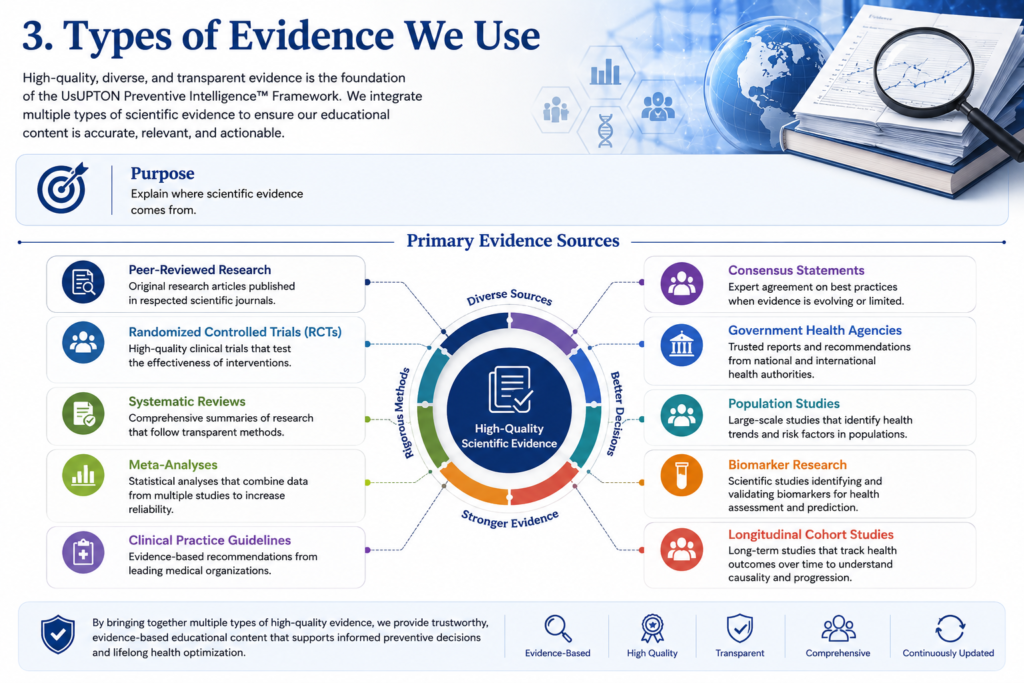
Figure 3. Sources of Scientific Evidence in Preventive Intelligence™
This figure illustrates the primary sources of scientific evidence that support the UsUPTON Preventive Intelligence™ Framework. High-quality educational content is developed by integrating peer-reviewed research, randomized controlled trials, systematic reviews, meta-analyses, clinical practice guidelines, consensus statements, government health agencies, population studies, biomarker research, and longitudinal cohort studies. Each evidence source contributes unique scientific value, ensuring that recommendations are comprehensive, transparent, and evidence-based. By synthesizing multiple forms of scientific evidence with expert medical review, the platform provides reliable, up-to-date knowledge that supports informed preventive decisions and lifelong health optimization.
4. Evidence Hierarchy
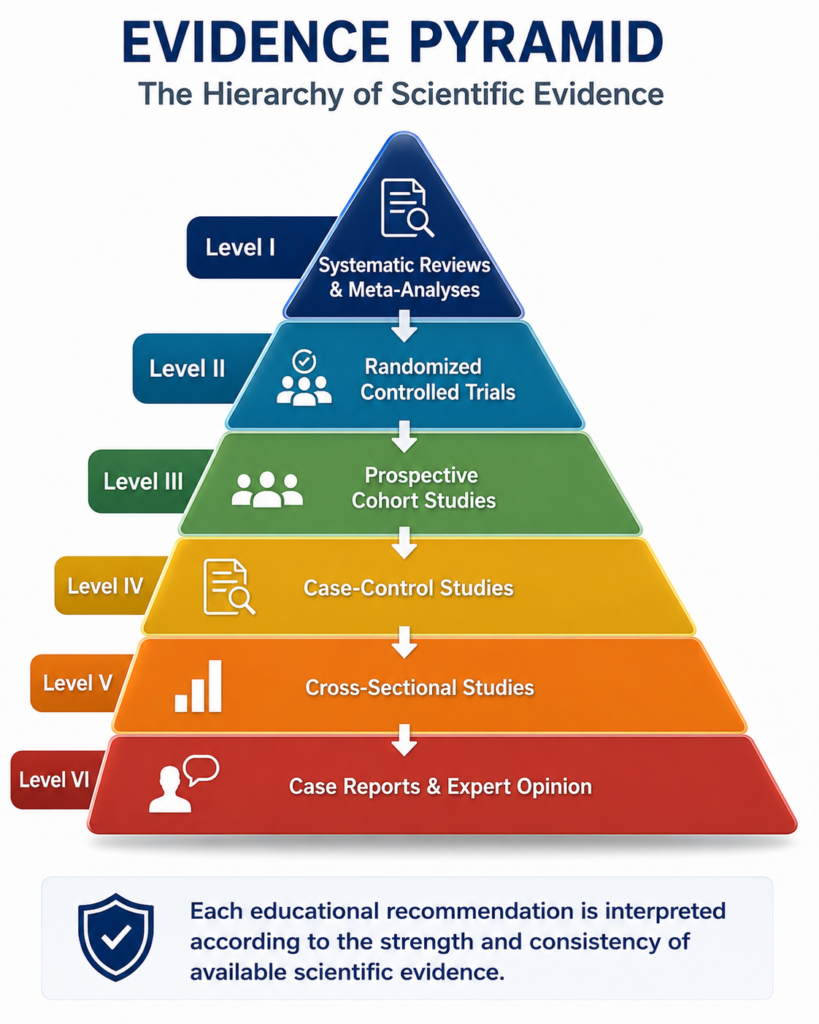
Figure 4. Evidence Pyramid: The Hierarchy of Scientific Evidence
This figure illustrates the Evidence Pyramid, a widely recognized framework for evaluating the strength and reliability of scientific research. Evidence is organized into six hierarchical levels, ranging from Systematic Reviews and Meta-Analyses at the highest level to Case Reports and Expert Opinion at the foundation.
Higher levels generally provide stronger and more consistent evidence because they synthesize findings from multiple well-designed studies or minimize bias through rigorous methodology. Lower levels remain valuable for generating hypotheses, describing rare conditions, and informing emerging clinical questions when higher-quality evidence is unavailable.
Within the UsUPTON Preventive Intelligence Framework™, every educational recommendation, clinical interpretation, and preventive strategy is evaluated according to both the strength and consistency of available scientific evidence, promoting transparency, scientific integrity, and evidence-based decision-making.
5. Clinical Guideline Library
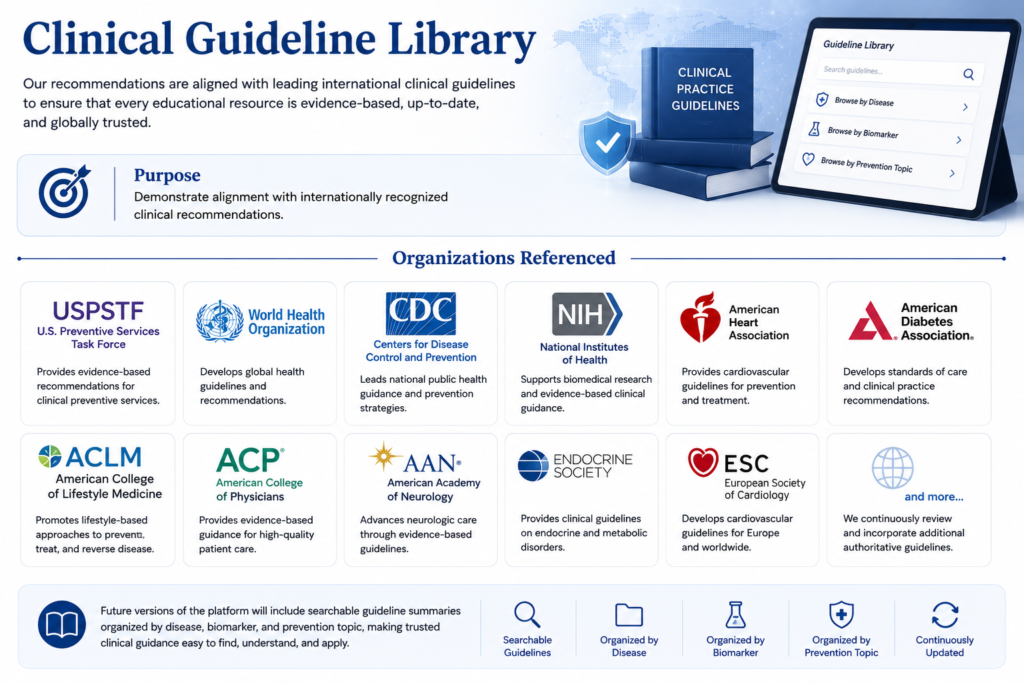
Figure 5. The Clinical Guideline Framework
This figure presents the Clinical Guideline Library, demonstrating how the UsUPTON Preventive Intelligence™ Framework aligns educational content with internationally recognized clinical recommendations. Evidence and guidance are referenced from leading organizations, including the USPSTF, WHO, CDC, NIH, American Heart Association, American Diabetes Association, American College of Lifestyle Medicine, American College of Physicians, American Academy of Neurology, Endocrine Society, and European Society of Cardiology. Future platform versions will provide searchable guideline summaries organized by disease, biomarker, and prevention topic, enabling users to efficiently access trusted, evidence-based recommendations that support informed preventive healthcare decisions.
6. Biomarker Evidence Center
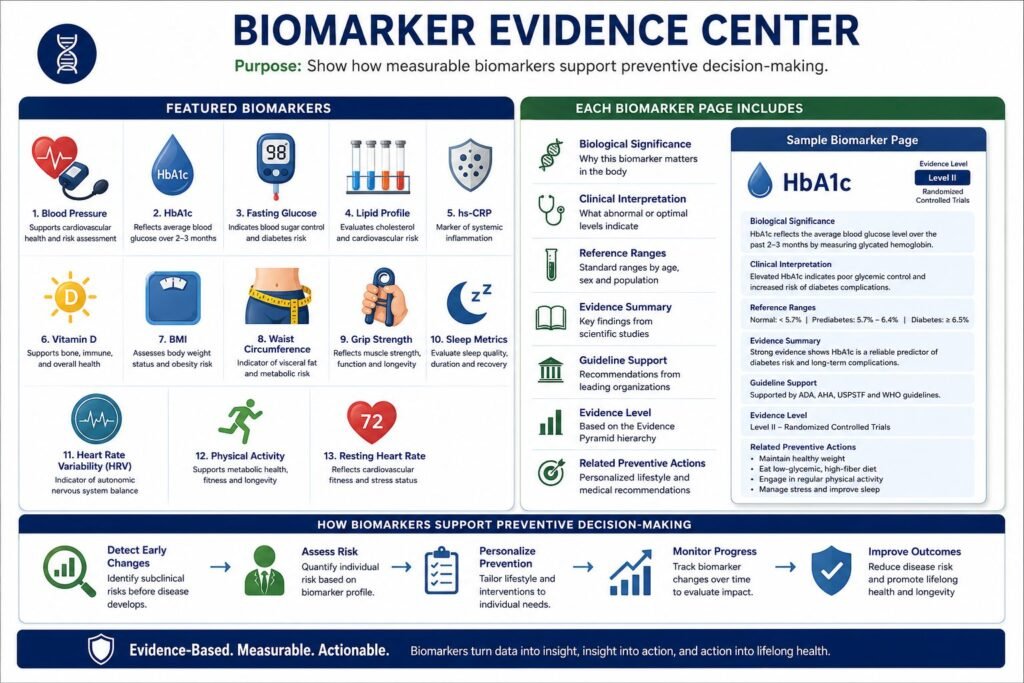
Figure 6. Measurable Health Data with Preventive Intelligence
This figure illustrates the Biomarker Evidence Center, a core component of the UsUPTON Preventive Intelligence Framework™, designed to translate measurable biological indicators into evidence-based preventive health decisions. The center organizes essential biomarkers—including blood pressure, HbA1c, fasting glucose, lipid profile, hs-CRP, vitamin D, BMI, waist circumference, grip strength, sleep metrics, heart rate variability, physical activity, and resting heart rate—within a standardized evidence framework. Each biomarker page presents its biological significance, clinical interpretation, reference ranges, evidence summary, guideline recommendations, evidence level, and related preventive actions.
7. Evidence Grading Framework
Purpose
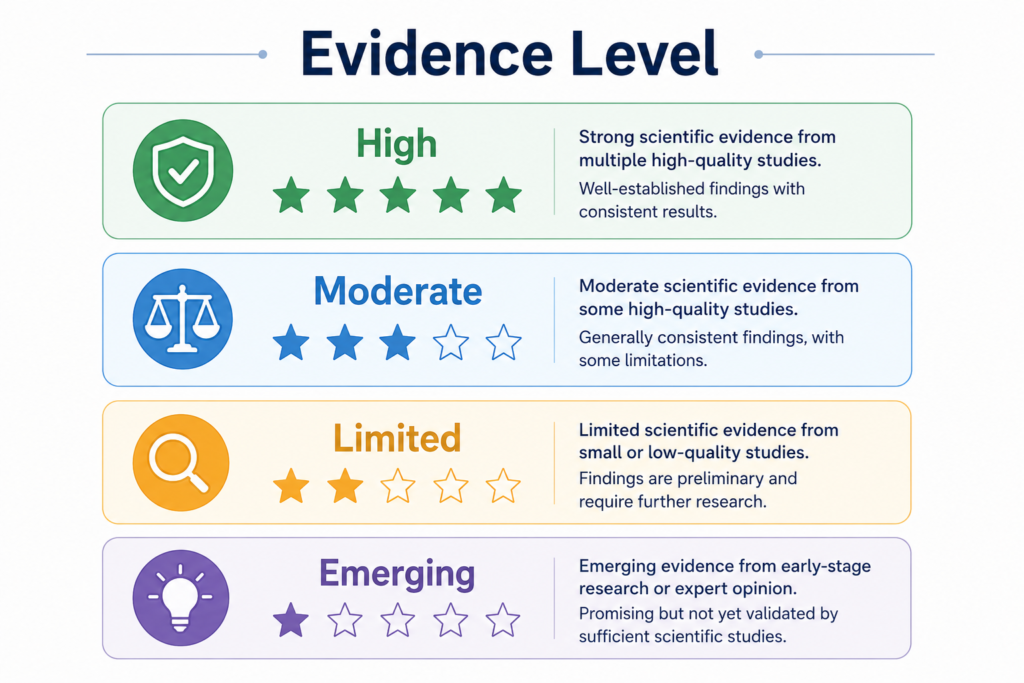
Provide transparent confidence ratings for educational recommendations.
| Grade | Scientific Support |
|---|---|
| Grade A | Multiple meta-analyses and systematic reviews |
| Grade B | High-quality randomized clinical trials |
| Grade C | Cohort and observational studies |
| Grade D | Expert consensus or emerging evidence |
Evidence grading helps readers understand the confidence associated with each recommendation.
8. Research Updates
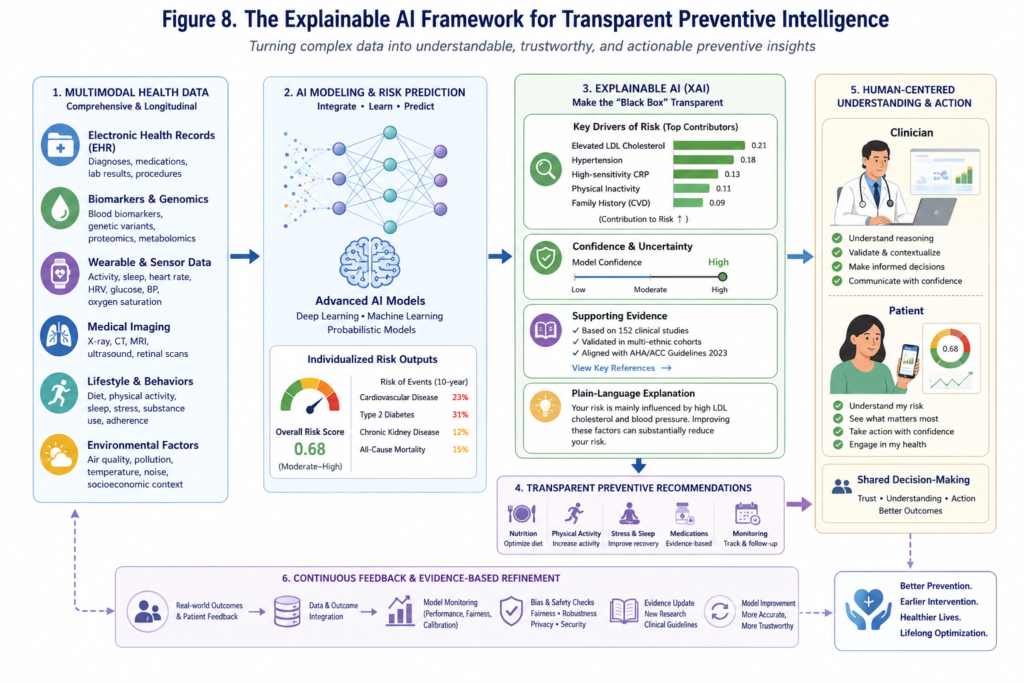
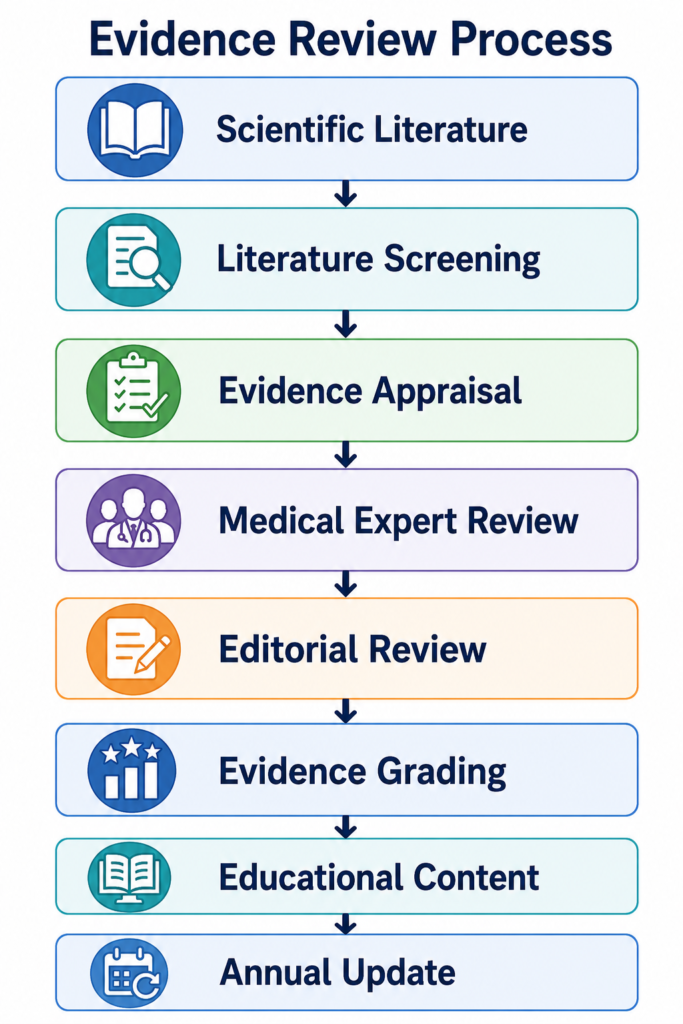
Figure 8. The Medical Review Process Framework
This figure presents the Research Updates framework, demonstrating how the UsUPTON Preventive Intelligence™ Framework continuously integrates emerging scientific evidence into its educational resources. Each research summary includes the publication date, journal, study design, study population, key findings, clinical relevance, evidence grade, and preventive implications.
Regular review by qualified medical experts ensures that educational content remains accurate, transparent, and aligned with the latest scientific knowledge. This continuous evidence surveillance process supports trustworthy health education, informed preventive decision-making, and the ongoing evolution of evidence-based preventive medicine.
9. Conflict of Interest & Editorial Policy
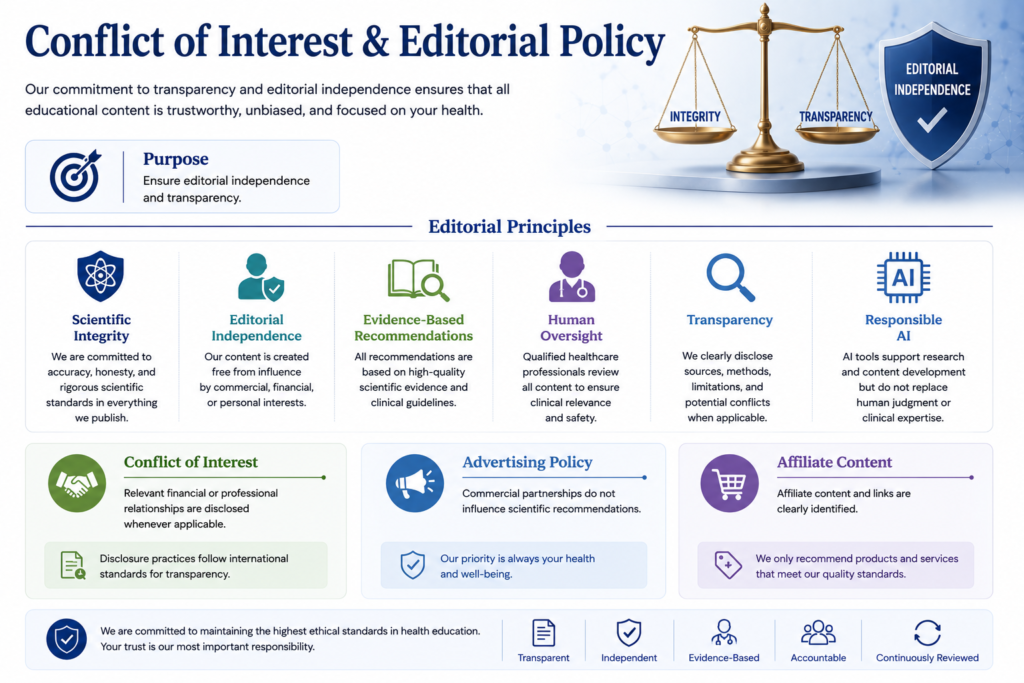
Figure 9. The Conflict of Interest & Editorial Policy Framework
This figure presents the Conflict of Interest & Editorial Policy that safeguards the integrity, transparency, and independence of the UsUPTON Preventive Intelligence™ Framework. Editorial content is guided by scientific integrity, editorial independence, evidence-based recommendations, human medical oversight, transparency, and the responsible use of artificial intelligence. Relevant financial or professional relationships are disclosed whenever applicable to maintain public trust. Commercial partnerships do not influence scientific conclusions or educational recommendations, and all affiliate content is clearly identified. Together, these policies ensure objective, trustworthy, and ethically governed health education supported by the best available scientific evidence.
10. Evidence Quality Standards
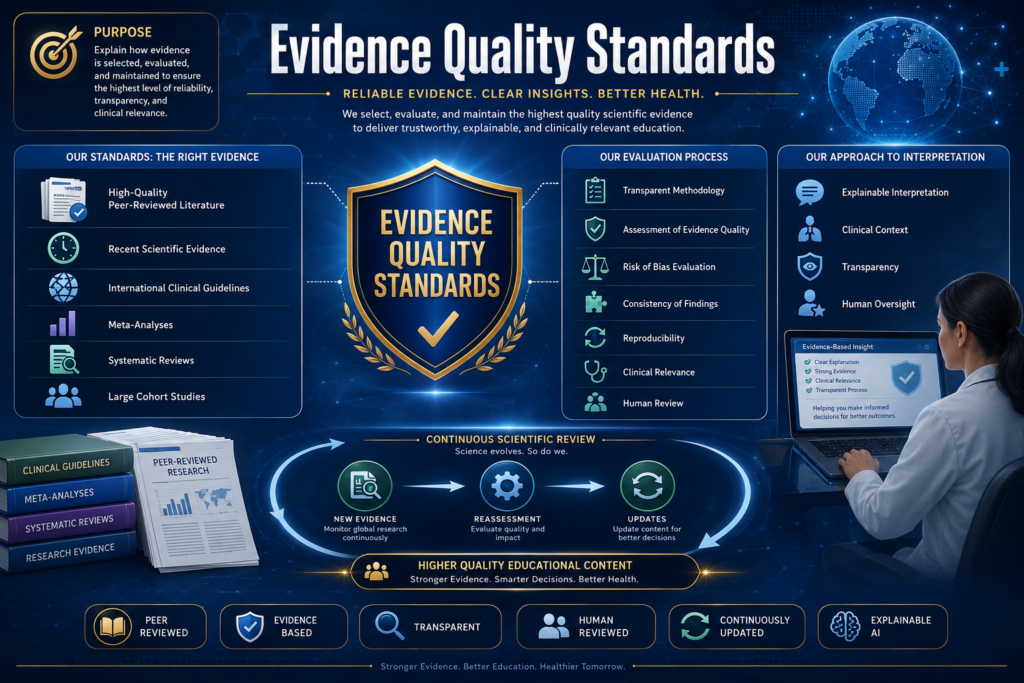
Figure 10. Evidence Quality Standards Framework
This figure illustrates the “Evidence Quality Standards” framework, which guides the work of the UsUPTON Evidence Center across the entire process of screening, evaluating, and interpreting scientific information. Educational content is developed based on high-quality peer-reviewed literature, international clinical practice guidelines, systematic reviews, meta-analyses, and large-scale prospective cohort studies. Before inclusion, each source undergoes a structured evaluation focusing on methodological rigor, risk of bias, consistency of findings, reproducibility, and clinical applicability, ensuring that recommendations are both accessible and firmly supported by evidence. As new research emerges, existing content is periodically re-evaluated and updated to reflect the current scientific consensus. This continuous quality assurance process supports trustworthy health education, responsible AI integration, and lifelong preventive decision-making based on the best available evidence.
11. References & Last Reviewed
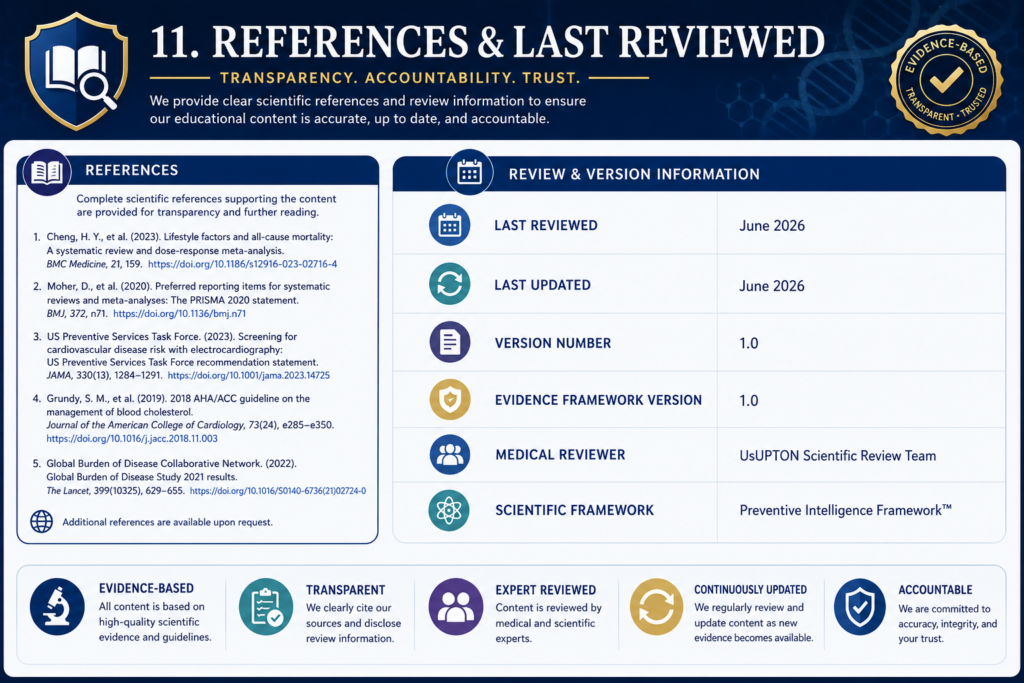
Figure 11. References & Last Reviewed
Scientific Transparency Through References, Version Control, and Continuous Review
This figure presents the References & Last Reviewed framework, highlighting the transparency and accountability standards of the UsUPTON Evidence Center. Every educational article includes complete scientific references, the latest review and update dates, version information, evidence framework version, and medical reviewer details. Content is reviewed by the UsUPTON Scientific Review Team and developed within the Preventive Intelligence Framework™ to ensure scientific accuracy, consistency, and clinical relevance. Regular updates incorporate emerging research and evolving clinical guidelines, providing users with trustworthy, evidence-based educational resources that remain current, transparent.
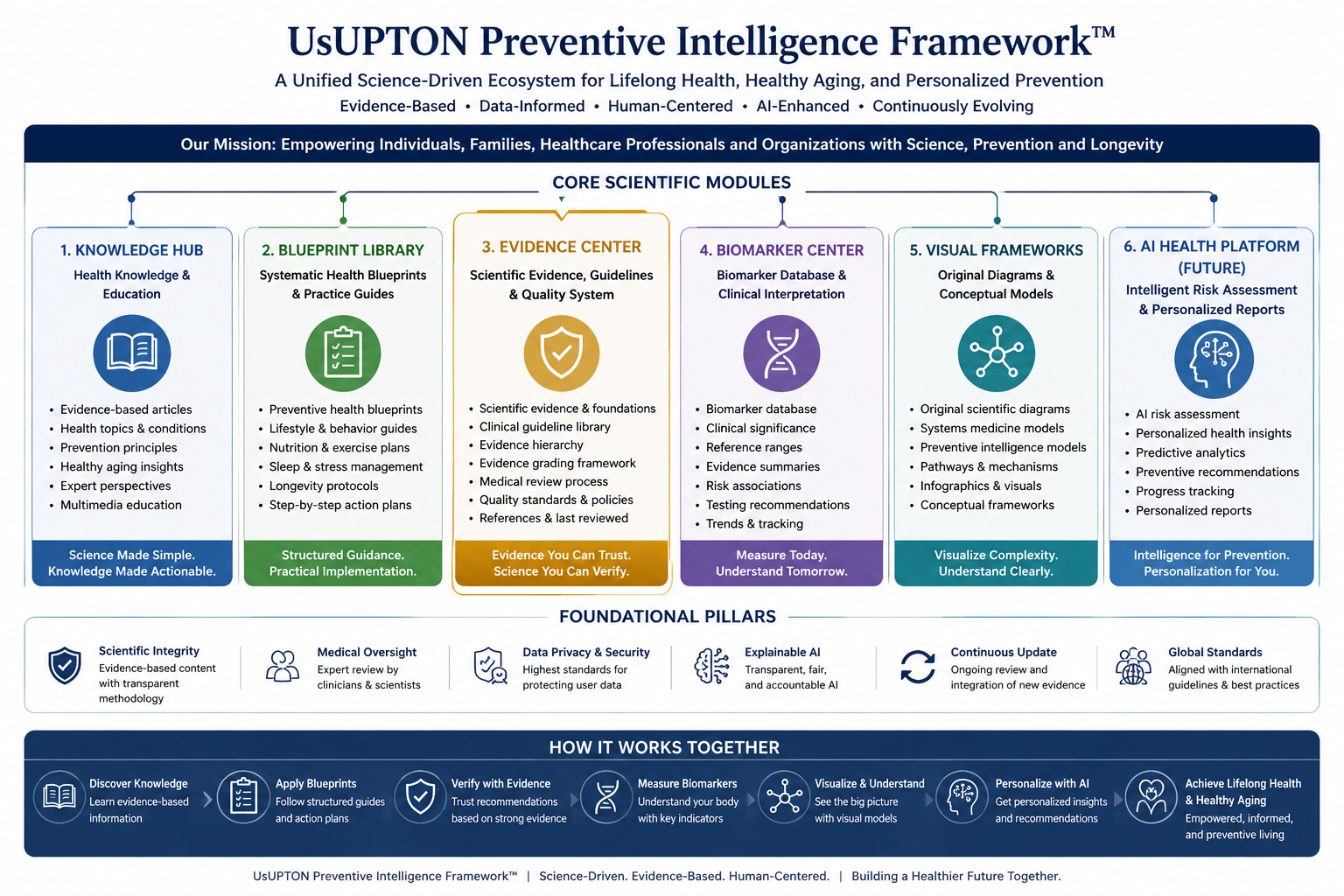
The UsUPTON Preventive Intelligence Framework™: An Integrated Ecosystem for Evidence-Based, AI-Enhanced, and Personalized Preventive Healthcare
Figure 1. The UsUPTON Preventive Intelligence Framework™ integrates six core scientific modules—including the Knowledge Hub, Blueprint Library, Evidence Center, Biomarker Center, Visual Frameworks, and a future AI Health Platform—within a unified ecosystem supported by scientific integrity, medical oversight, explainable AI, continuous evidence updates, data privacy, and global standards. Together, these components create an end-to-end preventive intelligence workflow that transforms scientific evidence into personalized health insights, clinical decision support, and lifelong preventive care.
Our Commitment to Scientific Integrity
At UsUPTON, scientific credibility is built on transparency, rigorous evidence evaluation, and continuous learning. We are committed to presenting balanced, evidence-based health education that evolves with advances in medical science. Through the Preventive Intelligence Framework™, our mission is to empower individuals, healthcare professionals, researchers, and organizations with trustworthy knowledge that supports informed decisions, personalized prevention, and healthier aging across the lifespan.
Last Reviewed
July 2026
Next Scheduled Review
July 2027