Risk Assessment
Identify Health Risks Earlier and Make More Informed Preventive Decisions
Risk assessment helps transform health information into meaningful estimates of future health risk. By combining personal history, lifestyle factors, physical measurements, biomarkers, and validated clinical tools, healthcare professionals can identify patterns that may indicate increased risk before disease becomes advanced.
UsUPTON Risk Assessment Visuals simplify these complex relationships into clear decision pathways, helping readers understand how different risk factors interact, how risk levels are classified, and when preventive action, additional testing, or medical evaluation may be appropriate.
Understand Your Health Risk Before Disease Develops
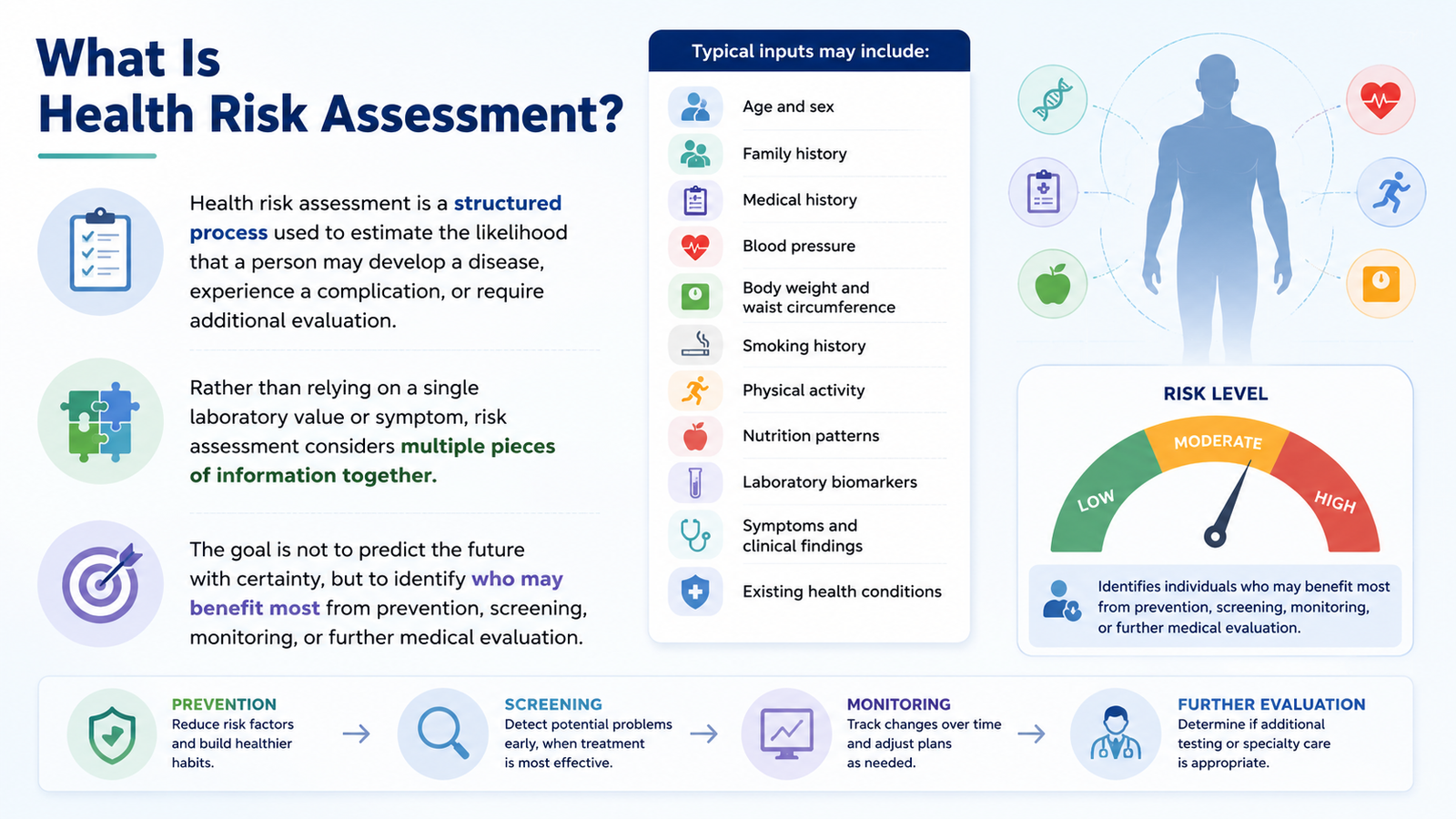
Health risk assessment combines medical history, lifestyle factors, physical measurements, symptoms, and laboratory biomarkers to estimate the likelihood of developing disease or future health complications. Instead of relying on a single result, it evaluates multiple risk factors together to support prevention, early screening, ongoing monitoring, and personalized healthcare decisions. The objective is informed, proactive, evidence-based risk management.
Discover Your Health Risks Before They Become Problems
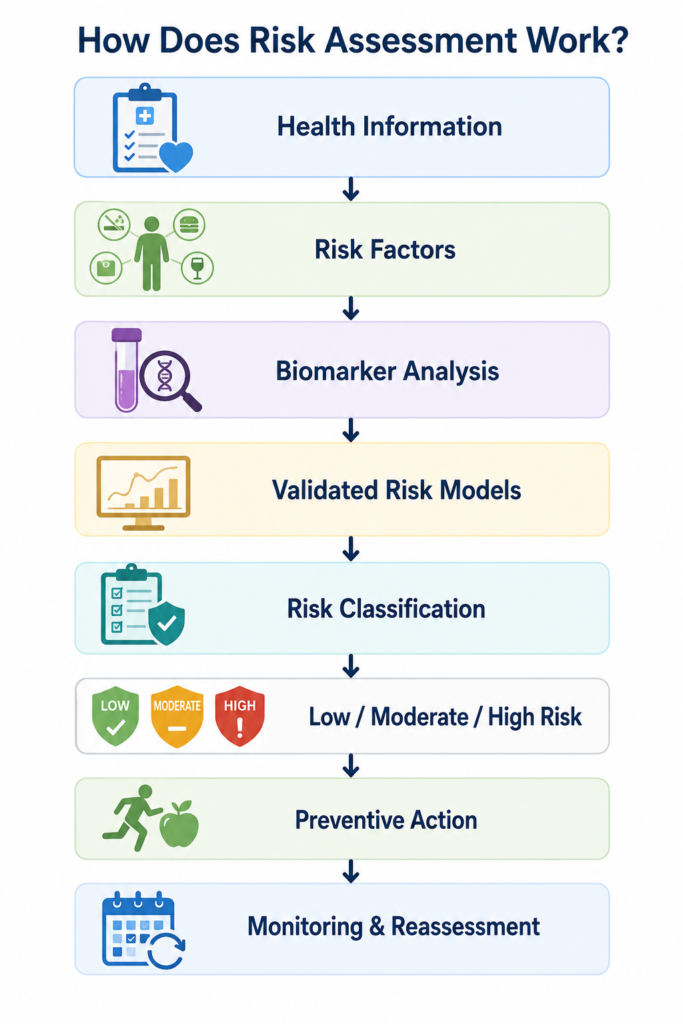
Risk assessment begins by collecting essential health information, including age, family history, lifestyle habits, medical conditions, and medications. AI then identifies key risk factors and analyzes relevant biomarkers to understand your current health status.
These findings are evaluated using validated clinical risk models supported by scientific evidence and medical guidelines. Based on the results, your health is classified into low, moderate, or high risk categories. Personalized preventive recommendations are generated to reduce future disease risk, while continuous monitoring and periodic reassessment ensure your risk profile evolves as new health data and biomarker results become available.
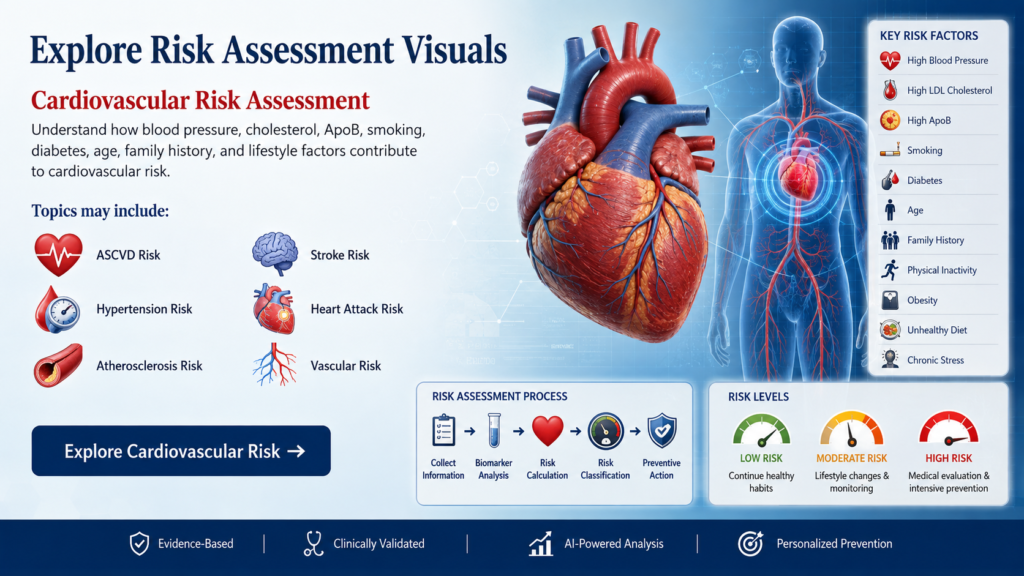
Understand Your Cardiovascular Risk
Explore Cardiovascular Risk Assessment through a comprehensive collection of evidence-based visuals that explain how blood pressure, cholesterol, ApoB, diabetes, smoking, age, family history, and lifestyle factors influence cardiovascular health. These illustrations simplify complex risk assessment concepts, showing how biomarkers, validated clinical models, and AI-supported analysis work together to estimate cardiovascular risk.
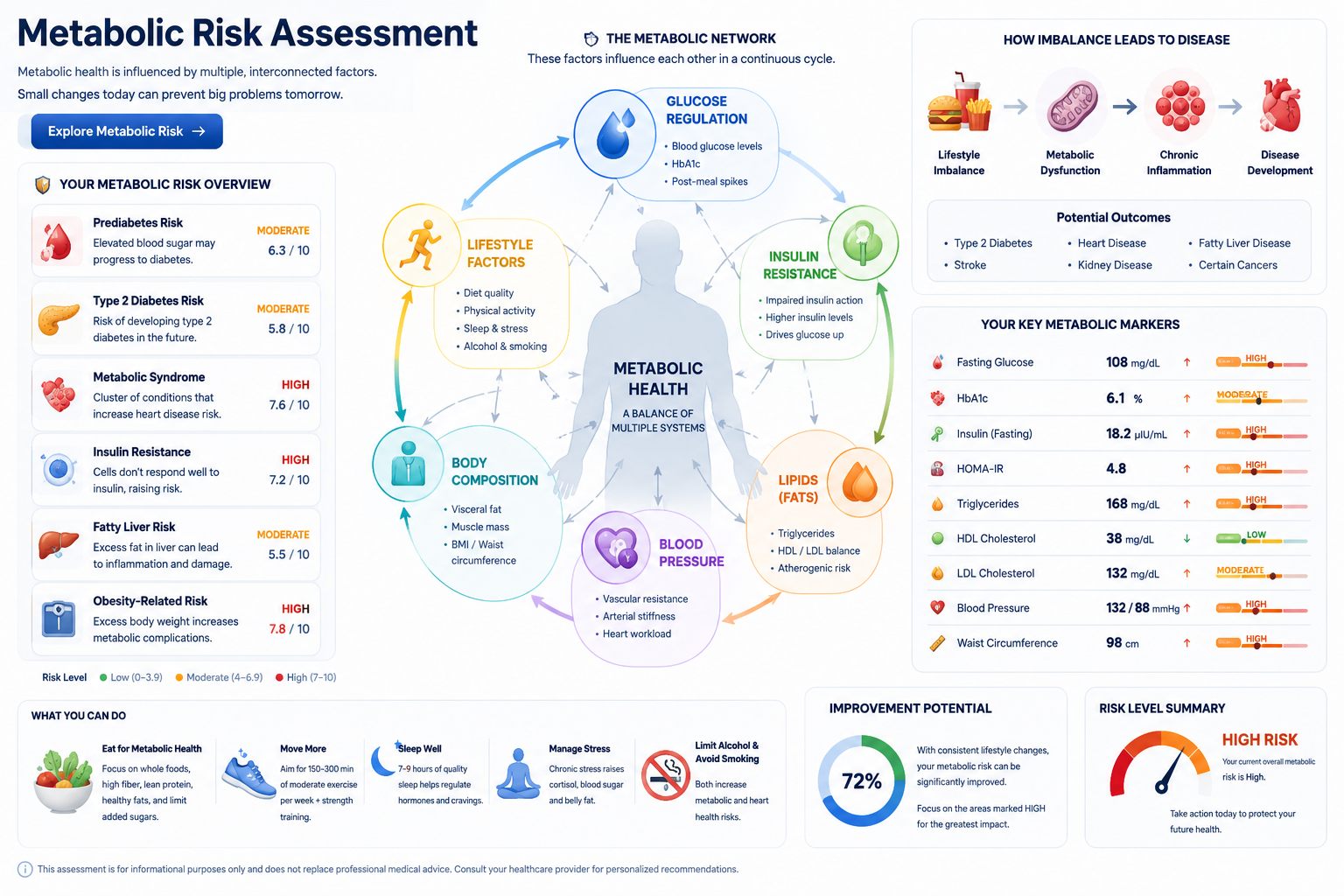
Could You Be at Risk for Metabolic Disease?
Metabolic Risk Assessment helps you understand how blood glucose, insulin resistance, body composition, blood pressure, blood lipids, and lifestyle habits work together to influence metabolic health. Explore evidence-based visual frameworks for prediabetes, type 2 diabetes, metabolic syndrome, fatty liver disease, and obesity-related risk. Learn how early assessment supports prevention, personalized action, and healthier long-term metabolic outcomes.
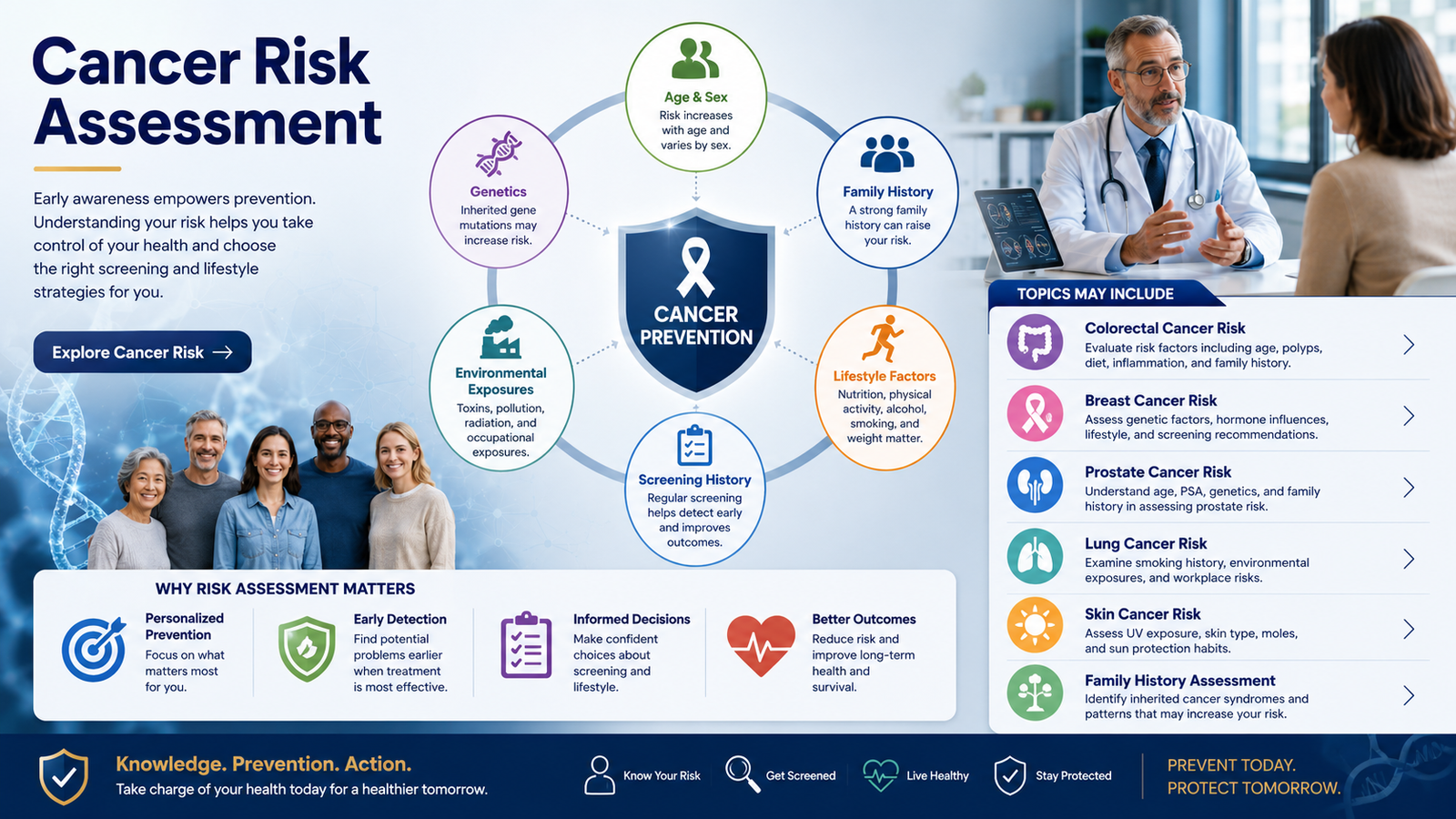
Could You Be at Risk for Cancer?
Cancer risk assessment combines age, genetics, family history, environmental exposures, lifestyle habits, and screening history to estimate individual cancer risk. Explore visual guides for colorectal, breast, prostate, lung, skin, and hereditary cancer risk to better understand prevention, early detection, personalized screening, and evidence-based strategies for long-term health.
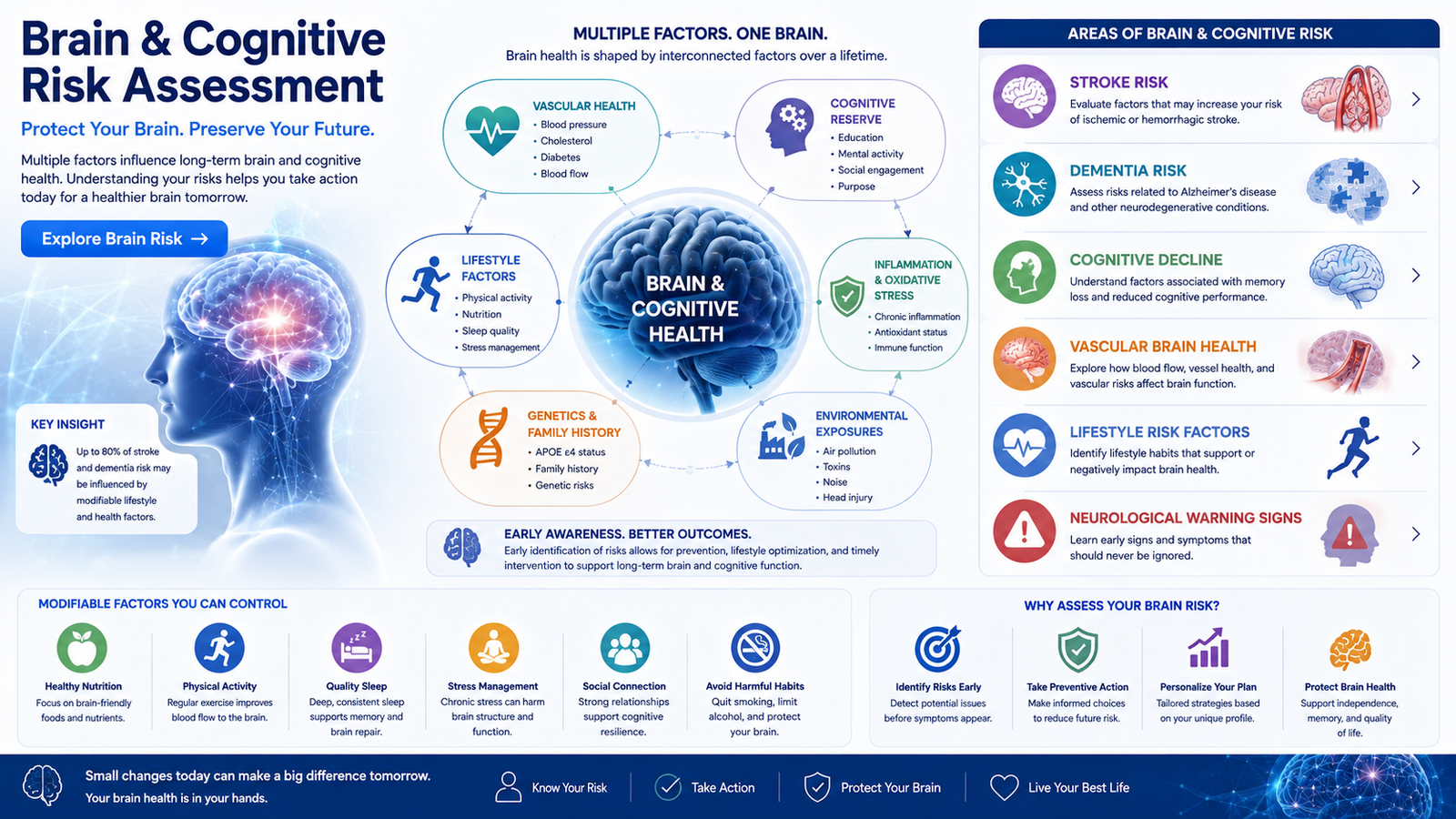
Could You Be at Risk for Brain Disease?
Brain and cognitive risk assessment evaluates factors that may influence long-term neurological health, including vascular health, lifestyle, genetics, aging, and early warning signs. Explore visual guides for stroke, dementia, cognitive decline, vascular brain health, and modifiable risk factors to support prevention, early detection, and lifelong brain health.
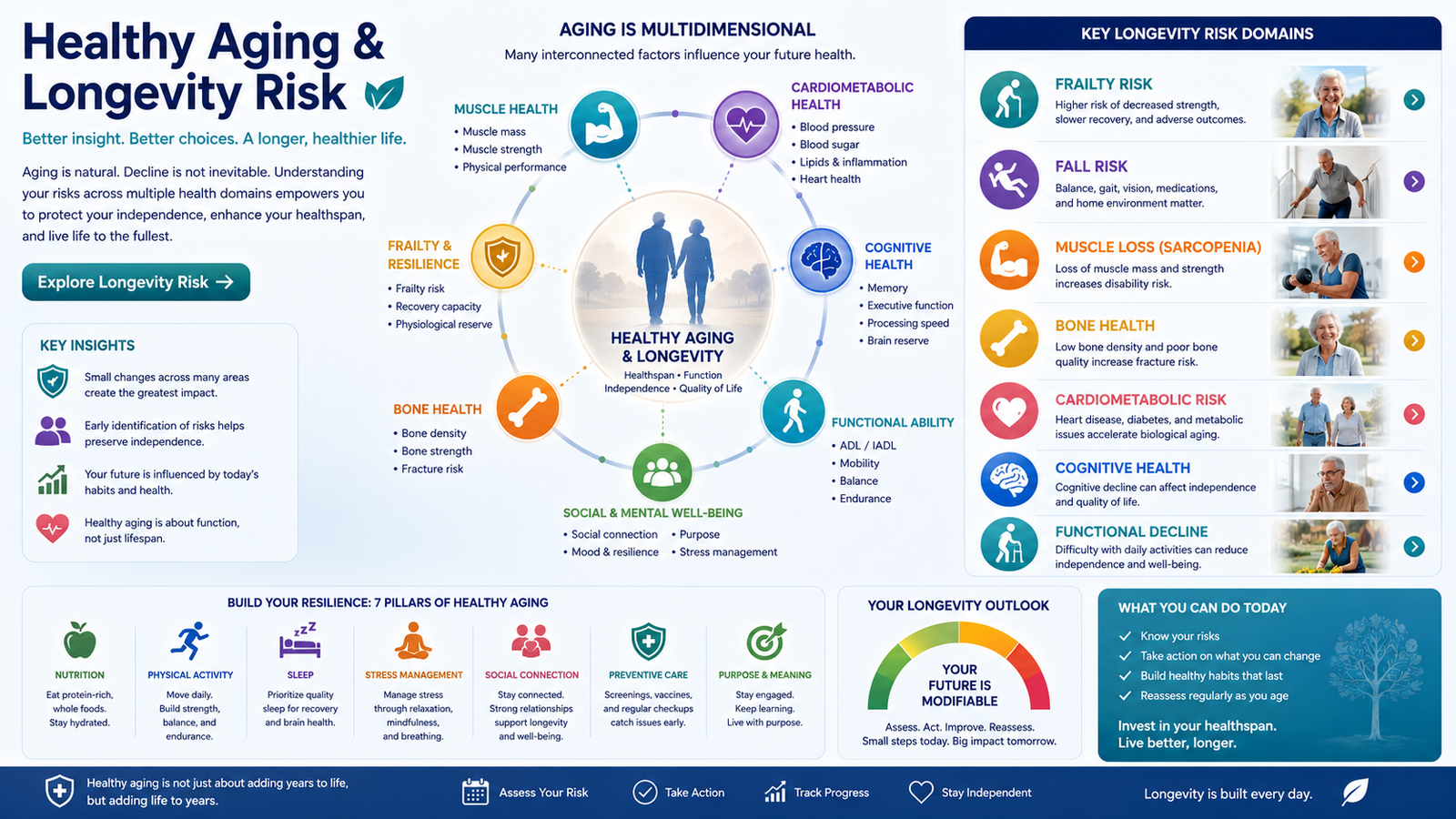
Are You Aging as Healthily as You Think?
Healthy aging and longevity risk assessment evaluates how physical function, muscle strength, bone health, cardiometabolic health, cognitive function, and lifestyle together influence future healthspan and independence. Explore visual frameworks for frailty, falls, sarcopenia, bone health, cognitive decline, and functional aging to support healthier, longer living.
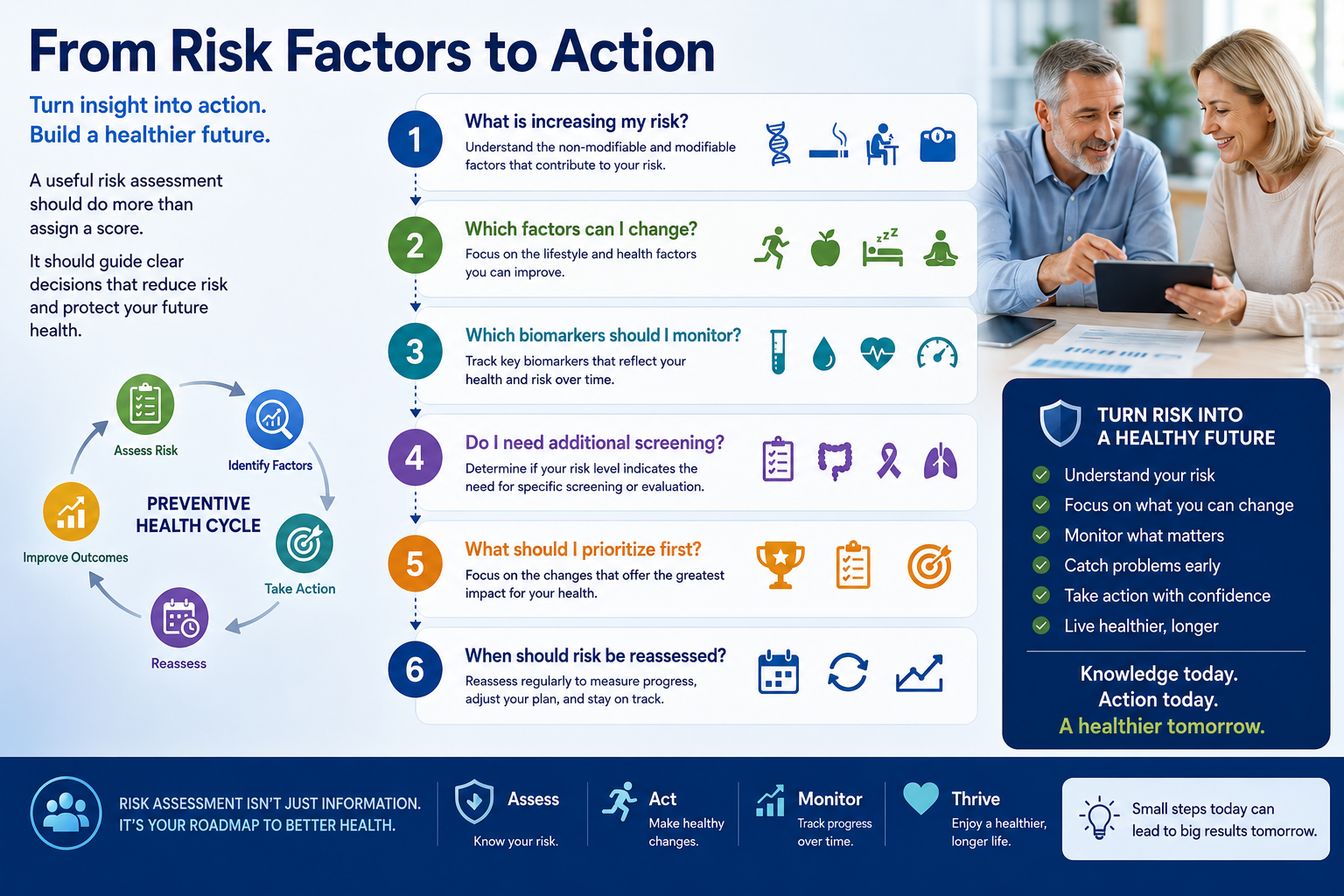
What Should You Do After Knowing Your Risk?
Effective risk assessment goes beyond a single score by identifying what drives risk, highlighting modifiable factors, guiding biomarker monitoring, recommending appropriate screening, and prioritizing the most important next steps. Regular reassessment transforms risk evaluation into a personalized, evidence-informed strategy for long-term prevention and healthier aging. Risk assessment is not about predicting the future—it is about improving it. By identifying your most important risk factors, tracking meaningful biomarkers, and focusing on evidence-based priorities, you can transform health data into practical daily actions. Small, consistent improvements today can reduce future disease risk, extend healthspan, and help you live a healthier, more independent life.
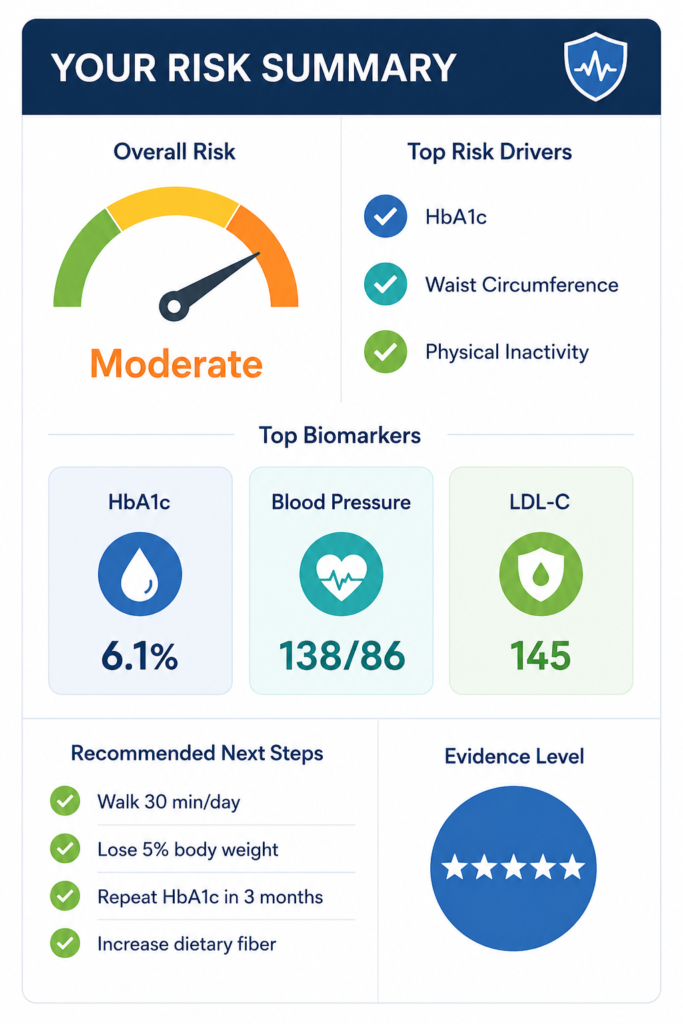
What Do Your Health Risks Really Mean?
Your Risk Summary provides a clear overview of your current health risks using key biomarkers and lifestyle factors. AI identifies the most important risk drivers, highlights abnormal test results, and prioritizes practical actions based on evidence-based guidelines. Each recommendation is supported by a transparent evidence rating, helping you focus on the changes most likely to improve long-term health and healthy longevity.

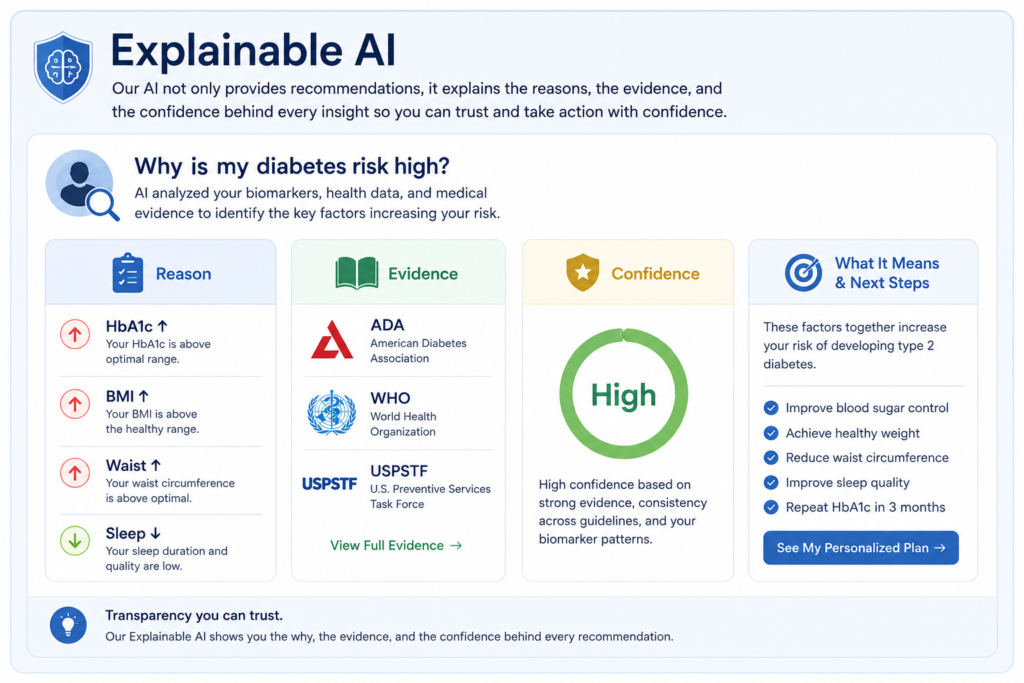
Why Did the AI Make This Recommendation?
Explainable AI makes every recommendation transparent by showing exactly how the AI reached its conclusions. Instead of providing a risk score alone, the system identifies the biomarkers, lifestyle factors, and clinical evidence that contribute to each assessment. It also displays supporting medical guidelines, evidence sources, and confidence levels, helping you decisions with greater trust and confidence.
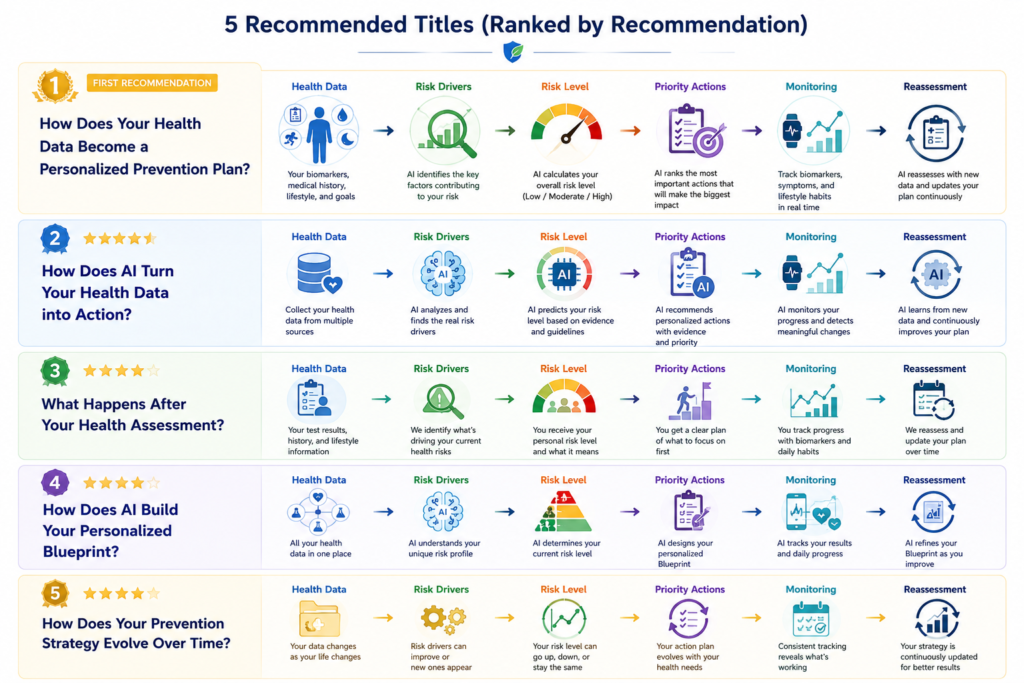
How Does AI Turn Your Health Data into Action?
AI transforms health data into meaningful, personalized prevention by identifying key risk drivers, estimating overall risk, and prioritizing the actions most likely to improve long-term health. Through continuous monitoring and regular reassessment, recommendations evolve as your biomarkers, lifestyle, and health goals change, creating a dynamic prevention plan that supports better decisions, healthier aging, and lifelong healthy longevity. As your health data change, AI continuously updates your risk profile, priorities, and personalized Blueprint to support healthier aging and lifelong healthy longevity.

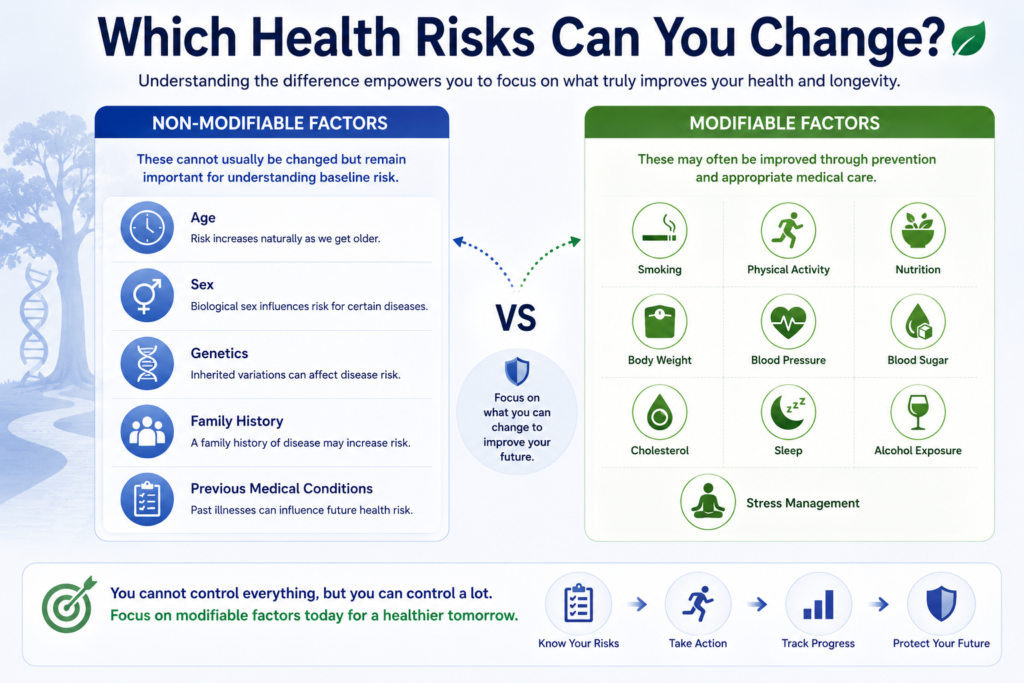
What Health Risks Can You Influence Today?
Understanding the difference between modifiable and non-modifiable risk factors is essential for making informed health decisions. While factors such as age, sex, genetics, family history, and previous medical conditions cannot be changed, many of the risks that contribute to chronic disease can often be improved.
Healthy lifestyle choices, regular physical activity, balanced nutrition, adequate sleep, blood pressure and blood sugar control, cholesterol management, stress reduction, and avoiding tobacco can significantly lower future health risks. Focusing on the factors you can change empowers you to reduce disease risk, improve healthspan, and support healthier aging.
How Your Personalized Blueprint Continuously Improves
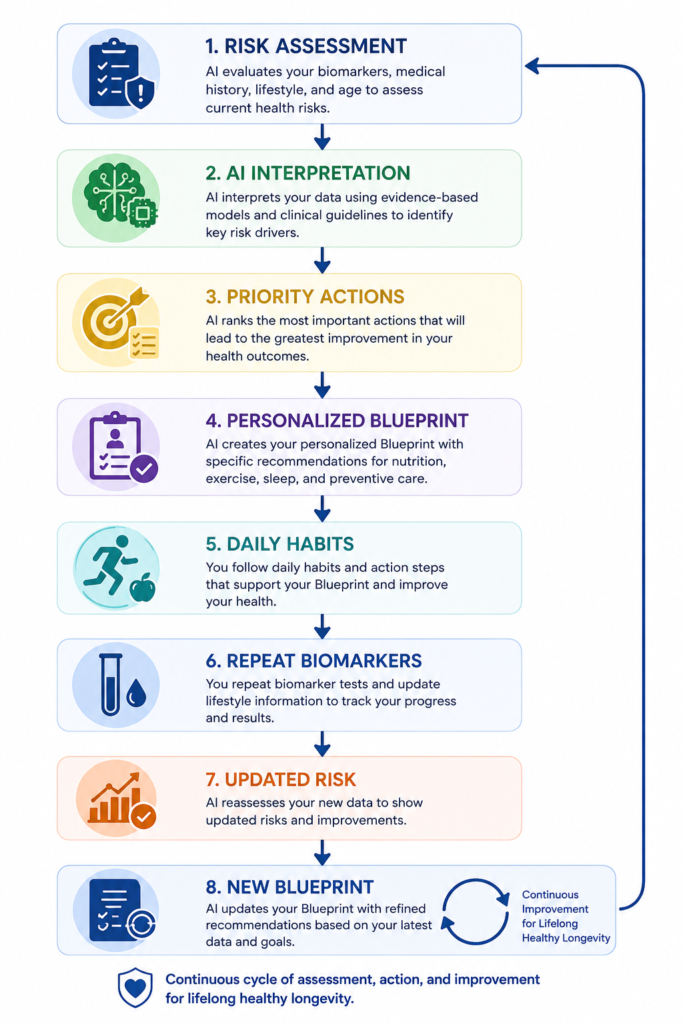
What Happens After Your Risk Assessment?
This framework illustrates how AI transforms health risk assessment into a continuous prevention cycle. Beginning with risk evaluation and evidence-based interpretation, the process identifies priority actions, creates a personalized Blueprint, supports healthy daily habits, and tracks progress through repeat biomarker testing. As new health data become available, AI reassesses risk and updates recommendations, enabling continuous improvement toward healthier aging and lifelong healthy longevity.
Which Biomarkers Reveal Your Health Risks?
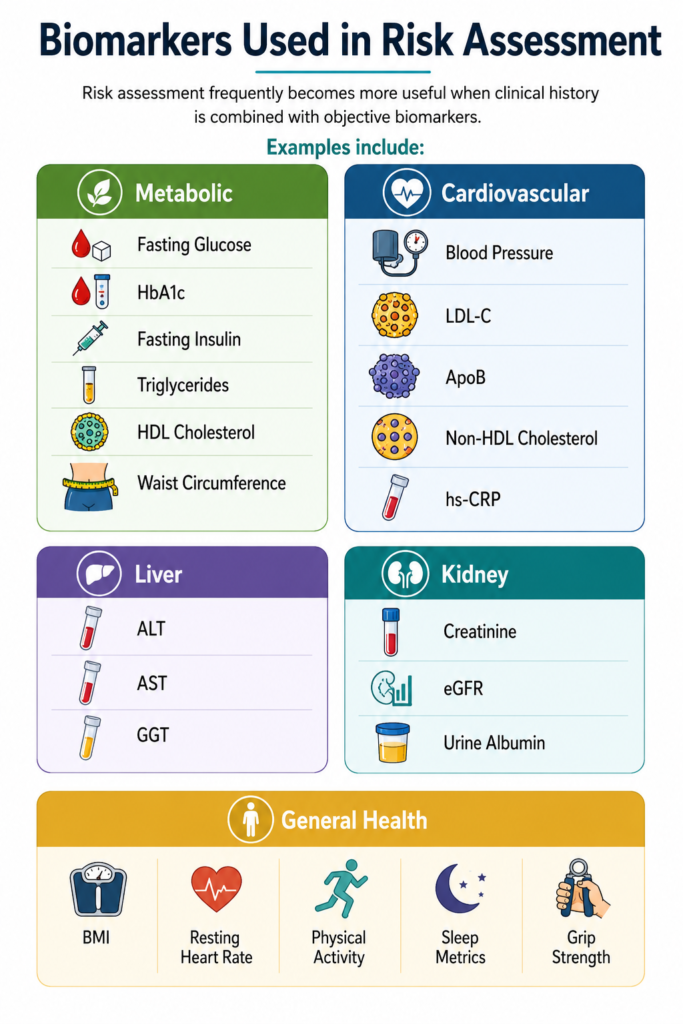
Risk assessment is strengthened when medical history is combined with objective biomarkers that reflect metabolic, cardiovascular, liver, kidney, and overall health. These measurements help identify hidden disease risk, detect early physiological changes, monitor health trends over time, and guide personalized prevention strategies. Together, clinical information and biomarkers provide a more complete picture for evidence-based decision-making and long-term health management.
Where Are You on the Risk Spectrum?
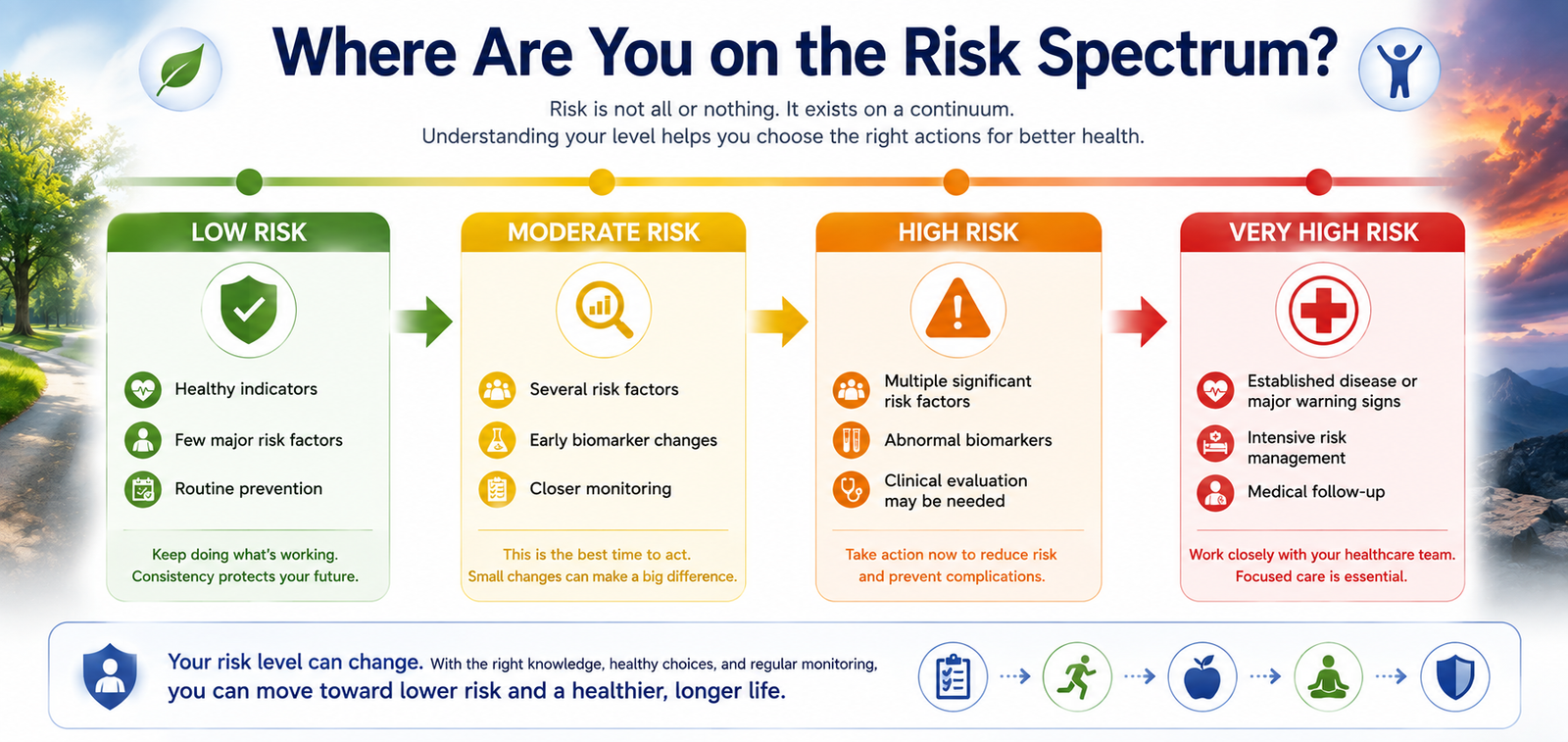
Health risk is rarely simply low or high. Most people fall somewhere along a continuum that changes over time as biomarkers, lifestyle habits, medical conditions, and age evolve. Understanding where you are on the risk spectrum helps prioritize the most appropriate preventive strategies, from maintaining healthy habits to increasing monitoring, pursuing additional screening, or seeking medical evaluation. Because many risk factors are modifiable, timely action can shift your trajectory toward lower risk, better health, and a longer, healthier life.
Does High Risk Mean You Have a Disease?
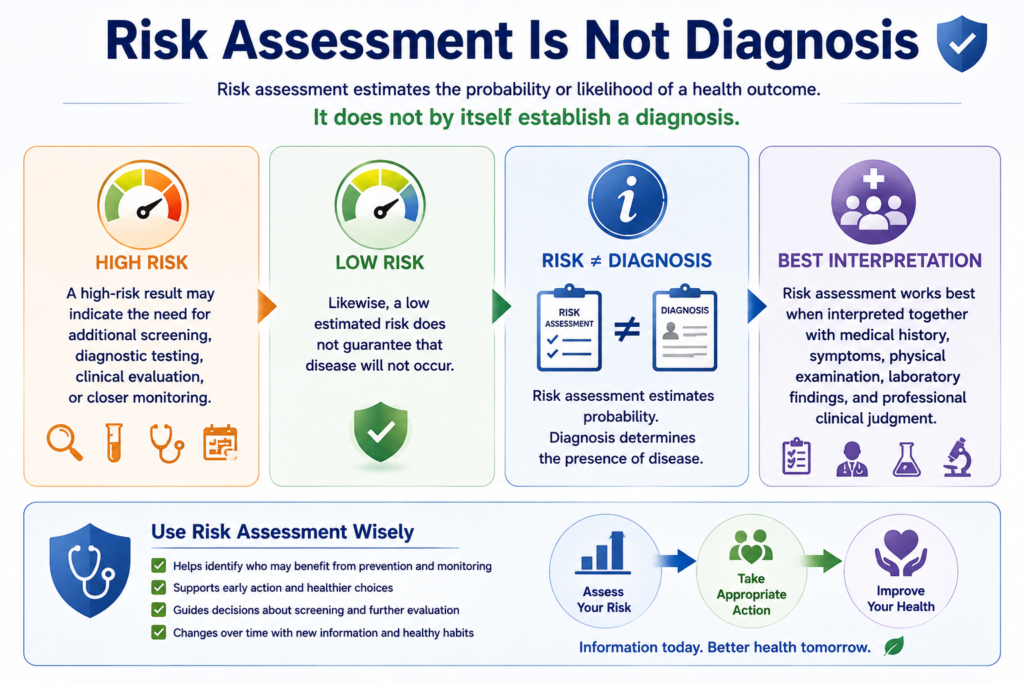
Risk assessment estimates the likelihood of developing a disease or experiencing a health outcome, but it does not confirm the presence of disease. Results should always be interpreted alongside medical history, symptoms, physical examination, laboratory findings, imaging studies when appropriate, and professional clinical judgment. A higher estimated risk may indicate the need for additional evaluation or closer monitoring, while a lower risk does not eliminate the possibility of future disease.

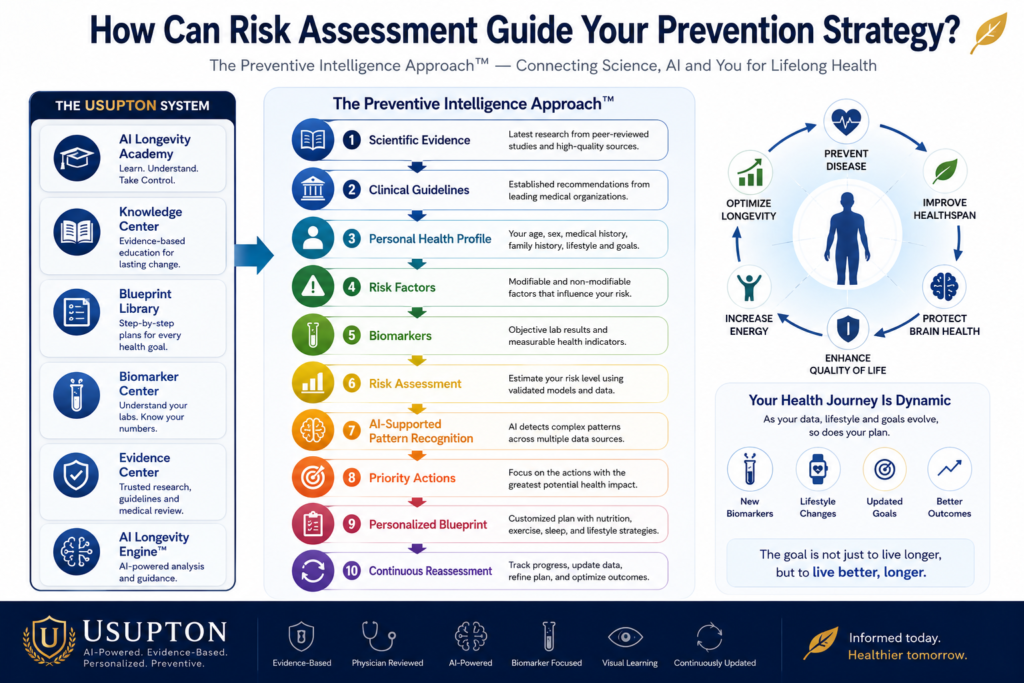
How Can Risk Assessment Guide Your Prevention Strategy?
The Preventive Intelligence Approach integrates scientific evidence, clinical guidelines, personal health information, risk factors, biomarkers, and AI-supported analysis into a structured prevention strategy. Rather than providing a single risk estimate, it identifies meaningful patterns, prioritizes the most important actions, generates a personalized health blueprint, and supports continuous reassessment as your health data, lifestyle, and goals evolve over time.
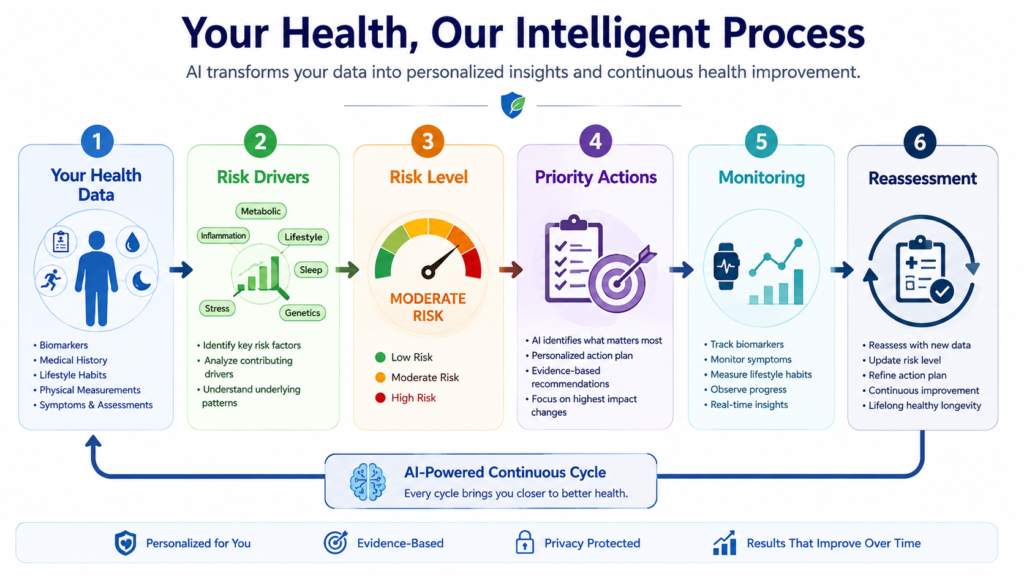
How Does Your Health Data Become a Personalized Plan?
Your health data become most valuable when they are transformed into meaningful action. By identifying key risk drivers, estimating overall risk, prioritizing the most important interventions, monitoring progress, and regularly reassessing results, this continuous process supports personalized prevention rather than one-time evaluation. As your biomarkers, lifestyle, and health goals change, recommendations evolve to help reduce risk, improve healthspan, and promote lifelong healthy longevity.

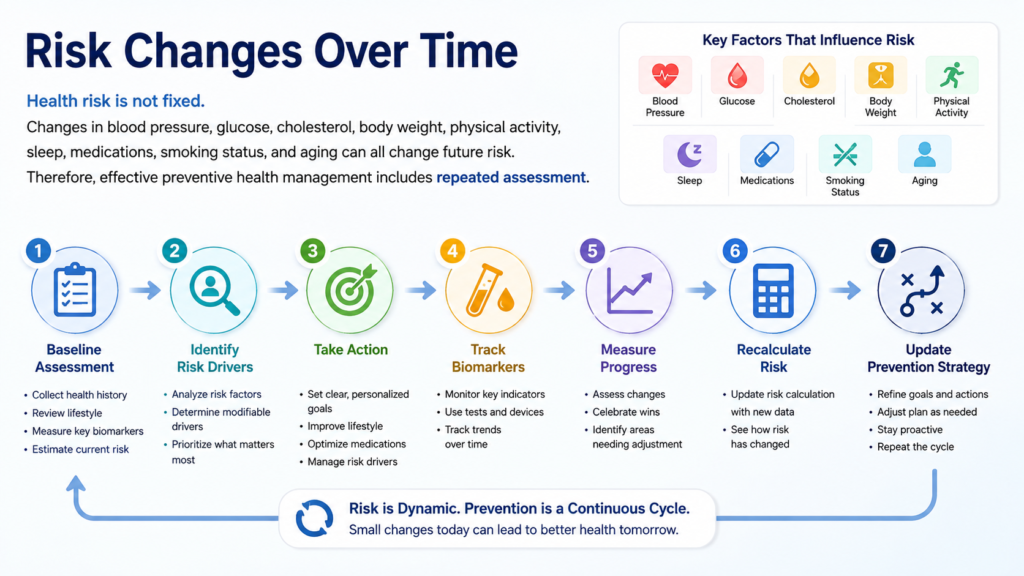
Is Your Health Risk Changing Without You Knowing?
Health risk is dynamic rather than fixed. As biomarkers, lifestyle habits, medications, and aging change, future health risks may also change. Regular reassessment helps identify new risk factors, evaluate progress, and refine prevention strategies.
By continuously monitoring biomarkers and updating personalized action plans, preventive care becomes more accurate, proactive, and effective, supporting healthier aging and better long-term health outcomes.
What Should You Explore Next?
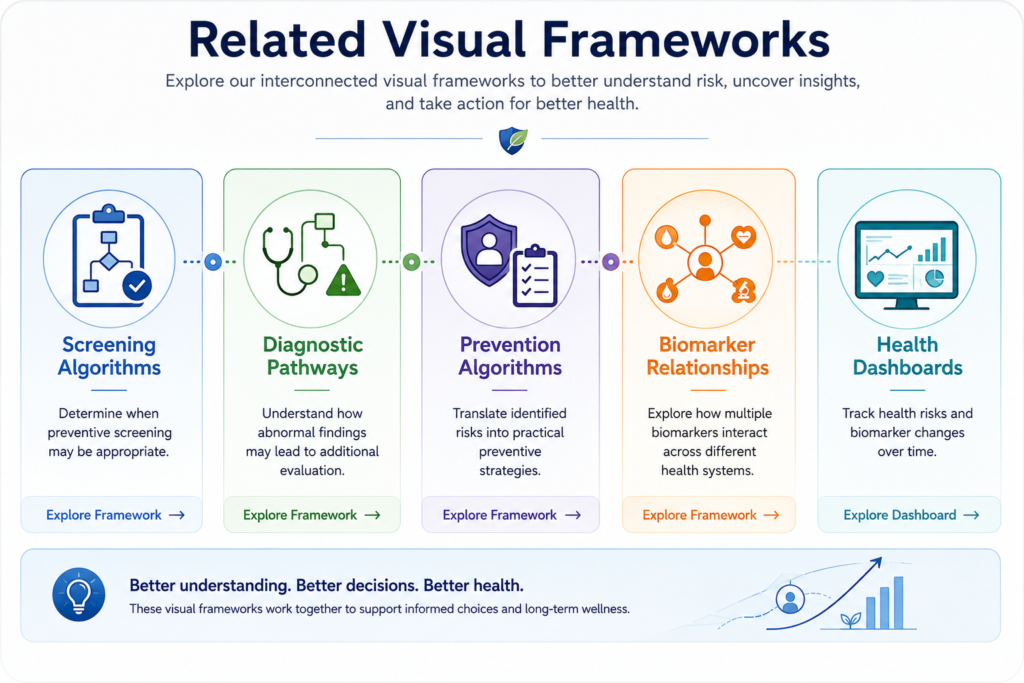
Explore related visual frameworks that extend your understanding of health risk assessment and preventive care. Learn when screening may be appropriate, how diagnostic pathways guide further evaluation, how biomarkers interact across body systems, and how prevention algorithms and health dashboards support personalized decisions, continuous monitoring, and long-term healthy aging. Every visual framework is part of a larger preventive health ecosystem. Together they connect scientific evidence, clinical reasoning, biomarkers, and personalized health data into a clear learning pathway. By exploring these related frameworks, you can deepen your understanding of disease prevention, recognize meaningful health patterns, and healthy longevity.
Understand Your Risks. Prioritize What Matters Most.
Effective prevention begins by identifying the factors most likely to influence your future health. Explore UsUPTON visual risk assessment frameworks to understand important risk drivers, biomarkers, screening pathways, and preventive strategies.
Frequently Asked Questions
- What is a risk assessment?
- Does high risk mean I have a disease?
- Which biomarkers matter most?
- How often should I reassess my risk?
- Can AI replace my doctor?
- What is a Personalized Blueprint?