
Joint Nutrition: What Science Says About Supporting Cartilage, Recovery, and Flexibility
Nutrition plays an essential role in how the body repairs, maintains, and supports joint tissues.
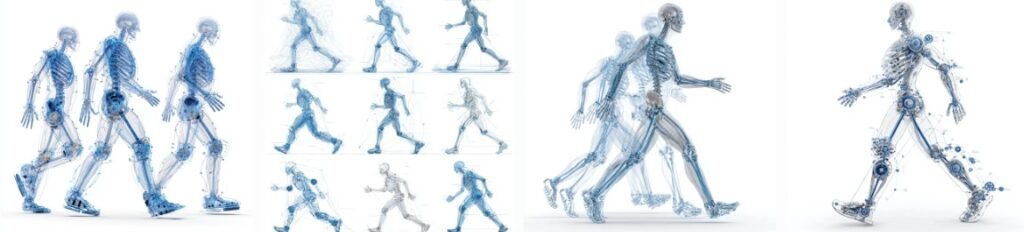
While no food or supplement can stop aging entirely, researchers continue exploring how nutritional strategies may support mobility, flexibility, connective tissue integrity, and inflammatory balance.
Joint tissues are biologically active structures requiring constant maintenance.
Cartilage, tendons, ligaments, muscles, and synovial fluid all depend on nutrients for structural support and recovery.
Modern dietary patterns may influence these systems more than many people realize.
Cartilage and Connective Tissue
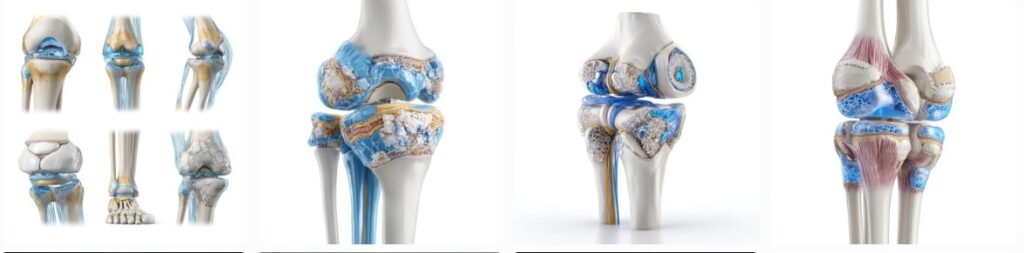
Cartilage acts as a shock absorber between bones.
Unlike many tissues, cartilage has limited direct blood supply, which may reduce its recovery capacity.
Over time, mechanical stress, inflammation, metabolic dysfunction, and aging may gradually affect cartilage integrity.
Supporting connective tissue health has therefore become an important area of preventive wellness research.
Protein and Tissue Repair
Protein provides amino acids needed for tissue maintenance.
Insufficient protein intake may affect:
- Muscle preservation
- Recovery
- Connective tissue support
- Physical resilience
Collagen is one of the most discussed proteins in joint wellness.
Collagen helps form structural components of:
- Cartilage
- Tendons
- Ligaments
- Skin
- Bones
Collagen peptides are increasingly studied for their potential role in supporting connective tissue health.

Glucosamine and Chondroitin
Glucosamine and chondroitin are among the most widely recognized joint support ingredients.
They are naturally found in cartilage structures and have been studied for decades.
Research findings remain mixed, but some studies suggest they may support:
- Joint comfort
- Cartilage maintenance
- Mobility
Responses appear highly individual.
Some people report noticeable benefits, while others experience little change.

Hyaluronic Acid and Joint Lubrication
Hyaluronic acid helps support fluid balance within joints.
Synovial fluid acts as a lubricant that reduces friction during movement.
Researchers continue investigating how hyaluronic acid supplementation may support mobility and flexibility in aging populations.
Hydration also matters.
Water is essential for tissue elasticity and joint function.
Omega-3 Fatty Acids
Omega-3 fatty acids are commonly studied for inflammatory balance.
Sources include:
- Salmon
- Sardines
- Mackerel
- Flaxseeds
- Chia seeds
Healthy inflammatory regulation may support recovery and movement comfort.
Modern diets often contain excessive omega-6 intake relative to omega-3s, which may influence inflammatory balance in some individuals.

Curcumin and Plant Compounds
Curcumin — derived from turmeric — has received significant scientific attention.
Researchers study curcumin for its role in inflammatory pathways and oxidative stress regulation.
Other plant compounds being studied include:
- Boswellia
- Ginger
- Polyphenols
- Green tea compounds
These ingredients are often discussed within broader anti-inflammatory dietary approaches.
Vitamin D and Bone Support
Vitamin D supports:
- Bone health
- Muscle function
- Immune regulation
Low vitamin D levels are common in many populations, especially among individuals with limited sun exposure.
Bone integrity is essential for long-term mobility and joint support.

Magnesium and Muscle Function
Magnesium plays roles in:
- Muscle contraction
- Nerve signaling
- Energy production
- Recovery
Poor magnesium intake may contribute to muscle tension and reduced recovery capacity in some individuals.
Weight Management and Nutrition
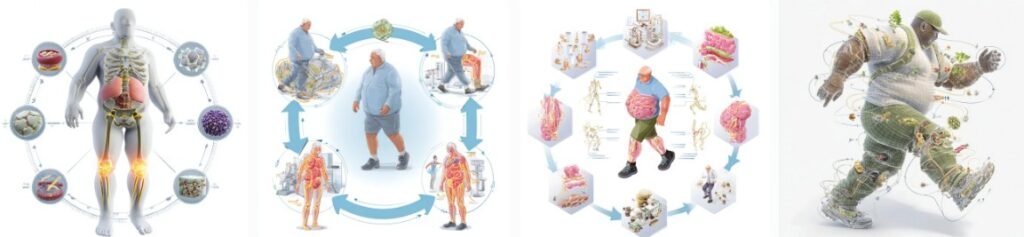
Nutrition strongly affects body composition.
Maintaining healthy body weight may reduce stress on joints while also supporting metabolic health.
The combination of:
- Excess body fat
- Chronic inflammation
- Sedentary behavior
may significantly accelerate mobility decline.
Healthy nutrition supports the entire movement system.

The Bigger Picture
Supplements alone are rarely enough.
Joint wellness is most effective when supported through an integrated lifestyle approach involving:
- Nutrition
- Exercise
- Sleep
- Recovery
- Stress management
- Healthy body composition
- Consistent movement
The body functions as an interconnected biological network.
Final Thoughts
Nutrition cannot eliminate aging.
But nutritional support may help maintain the biological systems involved in movement, recovery, flexibility, and resilience.
The future of joint wellness is increasingly systems-based — recognizing that healthy mobility depends on the interaction between metabolism, inflammation, connective tissue biology, recovery, and lifestyle patterns.
Healthy aging begins with supporting the body as a whole.
Start protecting your mobility today — one small step can support stronger joints, better movement, and healthier aging.