
The Muscle–Metabolism Connection
Why Strength Matters for Longevity
(continued in same style…)
Muscle is far more than a cosmetic feature.
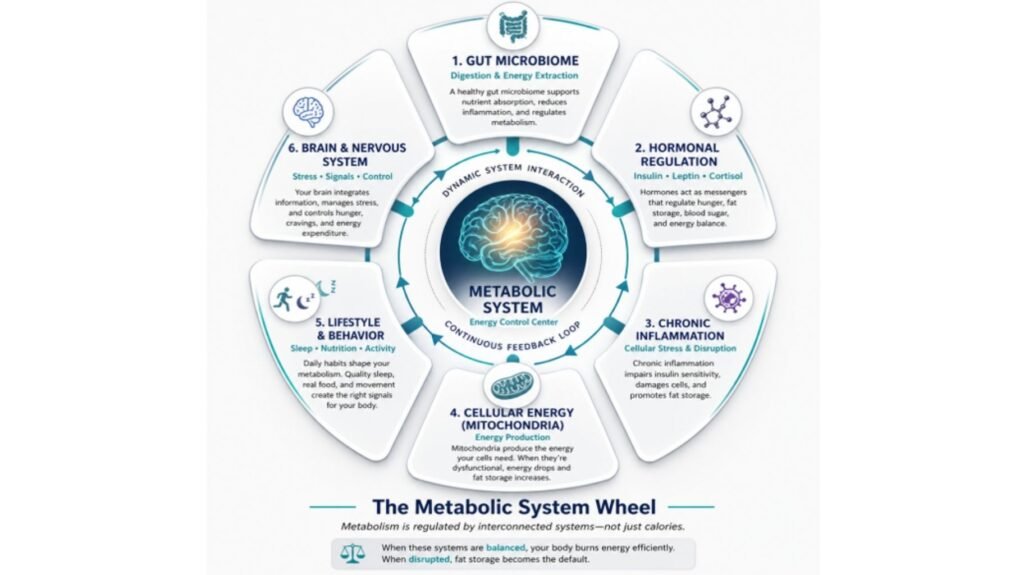
Modern longevity science increasingly recognizes skeletal muscle as one of the body’s most important metabolic organs. It influences blood sugar regulation, insulin sensitivity, energy expenditure, inflammation control, mobility, and healthy aging.
Many people focus only on losing weight, but preserving and building muscle may be even more important for long-term metabolic resilience.
The Metabolism Reset Blueprint views muscle health as central to sustainable metabolic recovery.

Muscle tissue acts like a glucose reservoir.
When muscles contract during movement or resistance training, they absorb glucose from the bloodstream and improve insulin sensitivity. This helps regulate blood sugar more efficiently and may reduce metabolic stress over time.
Low muscle mass is increasingly associated with:
- Poor metabolic flexibility
- Increased insulin resistance
- Frailty
- Reduced mobility
- Slower recovery
- Higher chronic disease risk
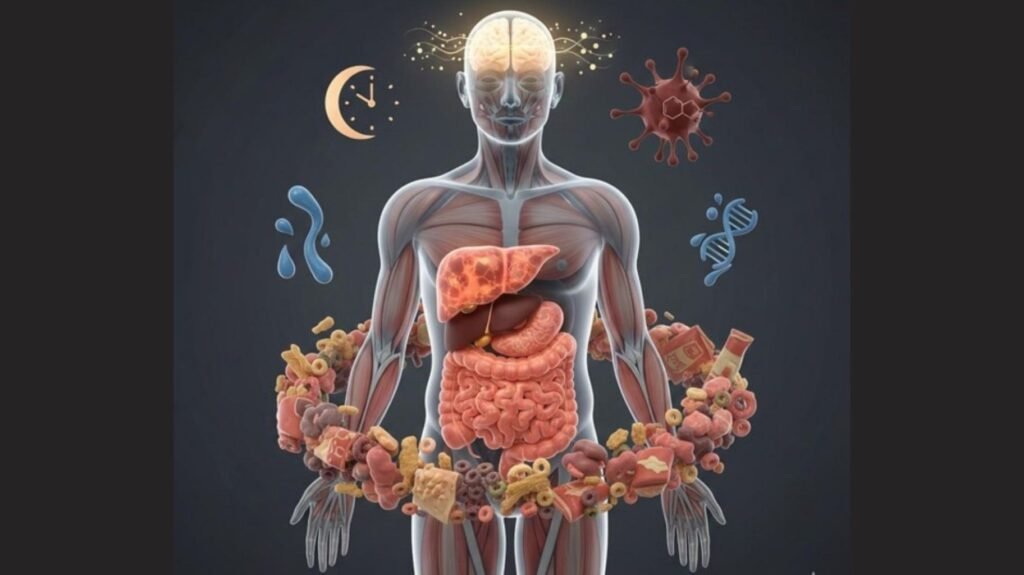
Unfortunately, many aggressive diets cause people to lose muscle along with fat.
This may temporarily reduce body weight while worsening long-term metabolic function.
Why Resistance Training Matters
Resistance training stimulates:
- Muscle preservation
- Glucose utilization
- Bone support
- Hormonal balance
- Mitochondrial activity
It does not require bodybuilding-level intensity.
Sustainable approaches may include:
- Bodyweight exercises
- Resistance bands
- Dumbbells
- Walking hills
- Functional movement training
Consistency matters more than perfection.
Protein and Metabolic Recovery
Adequate protein intake supports:
- Muscle repair
- Satiety
- Recovery
- Healthy aging
Protein may also help reduce overeating by improving fullness signals.
Many people benefit from distributing protein more evenly throughout the day rather than consuming most of it at night.
Aging and Muscle Loss
Beginning in midlife, muscle mass naturally declines unless actively maintained.
This process, often called sarcopenia, may contribute to:
- Reduced metabolism
- Weakness
- Increased fall risk
- Reduced resilience
Strength training is increasingly viewed as one of the most important longevity interventions available.
Movement Beyond Exercise
Metabolism is influenced not only by workouts but by total daily movement.
Modern sedentary lifestyles reduce:
- Calorie expenditure
- Circulation
- Glucose utilization
- Mitochondrial stimulation
Simple daily movement matters:
- Walking
- Standing more often
- Stretching
- Household activity
- Gardening
- Stairs
The body was designed for regular movement.
Final Thoughts
Muscle is not only about strength.
It is deeply connected to:
- Metabolic health
- Brain function
- Longevity
- Independence
- Resilience
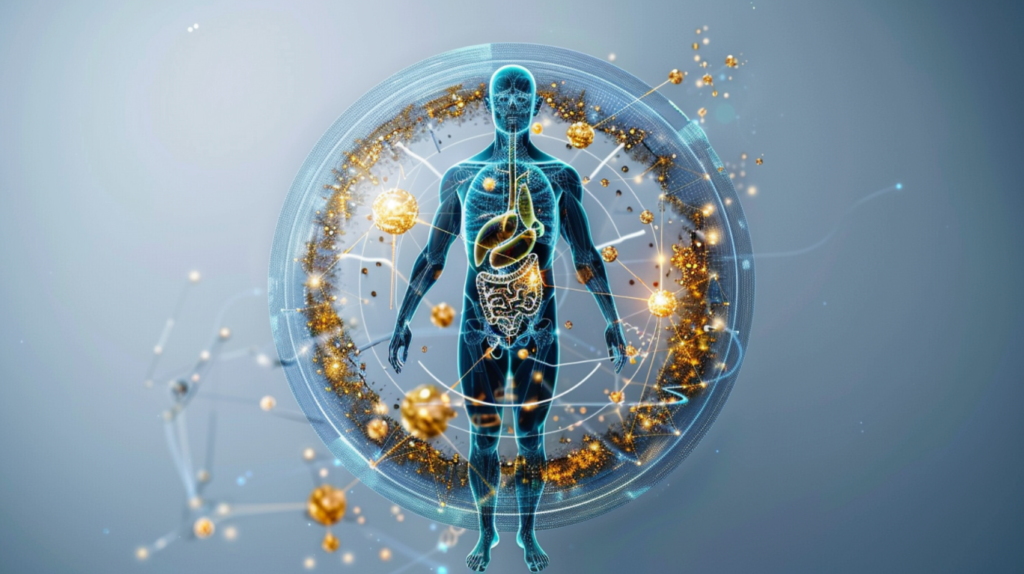
The Metabolism Reset Blueprint encourages sustainable strength-building as part of a lifelong preventive health strategy.
Strong muscles often support a stronger metabolism.
Healthy fat loss is rarely about starving yourself.
It’s about rebuilding the biological conditions that help the body feel safe, energized, and metabolically flexible again.