
Music, Memory, and Emotion: The Remarkable Relationship Between Sound and the Brain
Have you ever heard a song that instantly transported you back in time?
A melody from childhood.
A wedding dance.
A road trip decades ago.
Sound possesses a unique ability to connect memory and emotion.
Why Music Feels So Powerful
Unlike many experiences processed through limited pathways, music engages multiple brain regions simultaneously.
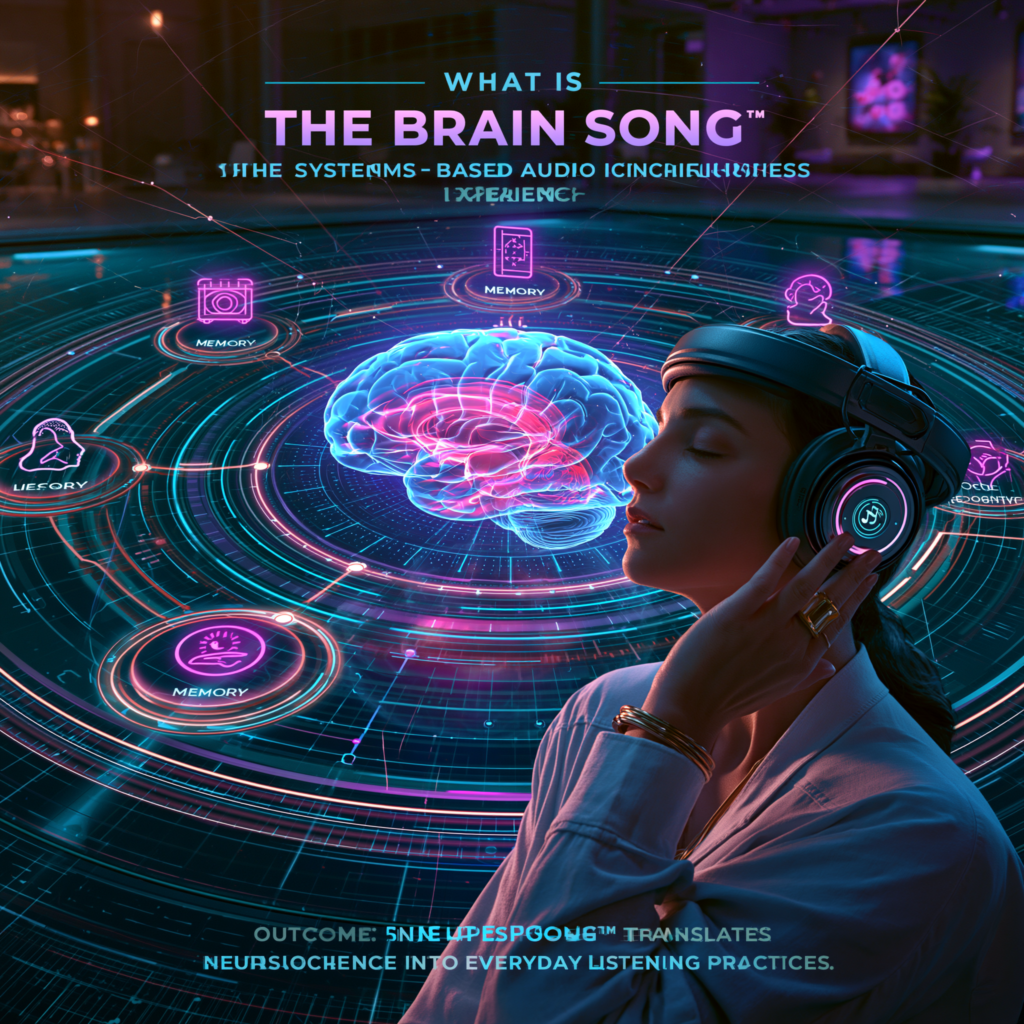
Figure 1. Why Music Feels So Powerful
Have you ever heard a song that instantly transported you back in time?
Perhaps it was a melody from childhood, a wedding dance shared with loved ones, or a favorite song from a road trip many years ago. Within seconds, memories can feel vivid and emotionally alive. This remarkable phenomenon reflects the unique relationship between music, memory, and the human brain.
Unlike many sensory experiences that activate relatively limited neural pathways, music engages multiple brain networks simultaneously. Research suggests that listening to music may involve regions associated with emotion, attention, movement, anticipation, learning, and memory. As rhythms, melodies, and harmonies unfold, the brain continuously predicts patterns, processes emotional meaning, and connects sound with personal experiences.
This broad neural engagement helps explain why music often feels deeply personal and memorable. A single song can evoke joy, nostalgia, comfort, motivation, or reflection. Rather than existing as simple entertainment, music may function as a powerful biological experience that connects cognition, emotion, and memory into one unified system.
The result is something uniquely human: sound that becomes part of our life story.
These include areas involved in:
- Emotion
- Attention
- Movement
- Expectation
- Memory
This widespread engagement may explain why musical experiences feel deeply personal.
Emotional Memory
Emotion strengthens memory formation.
Experiences linked to meaningful feelings are often remembered more vividly.
Sound frequently acts as a trigger for these memories.
Familiarity and Comfort
Predictable auditory patterns can create feelings of safety.
Comfort reduces mental resistance.
This state may support relaxation and openness.
Listening as Presence
Modern life fragments attention.
Intentional listening encourages:
- Awareness
- Stillness
- Reflection
- Emotional regulation
For many people, these experiences are increasingly rare.
The Brain Song™ Experience
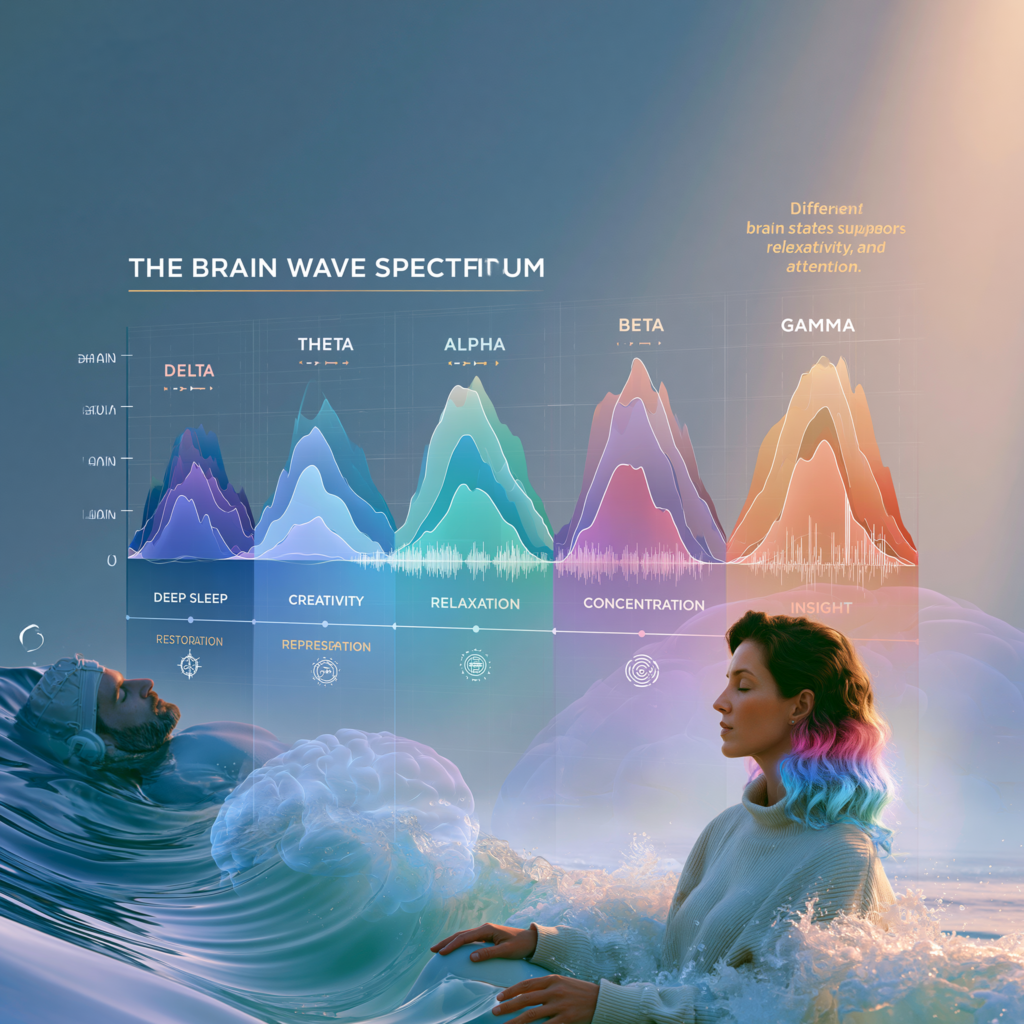
Figure 2. The Brain Song™ Experience
The Brain Song™ is designed to create immersive sound environments that support mental restoration, emotional balance, and focused awareness. Rather than serving as simple background music, it encourages intentional listening as part of a broader wellness routine.
Modern life often places the brain in a constant state of stimulation. Notifications, multitasking, information overload, and chronic stress can make it difficult to slow down and recover. Supportive audio experiences may help create a space where attention becomes less fragmented and the nervous system can shift toward a calmer state.
The Brain Song™ seeks to encourage:
• Calm engagement with the present moment
• Emotional decompression after demanding days
• Gentle attentional focus without excessive mental effort
• A greater sense of mental clarity and balance
Different sound patterns may influence how individuals perceive relaxation, creativity, concentration, and emotional well-being. While music is not a medical treatment, intentional listening can become a meaningful daily practice that supports resilience, recovery, and cognitive wellness.
In a world filled with noise, The Brain Song™ offers an opportunity to listen with purpose.
The Brain Song™ seeks to create supportive sound environments that encourage:
- Calm engagement
- Emotional decompression
- Gentle attentional focus
Rather than passive background noise, it becomes an intentional wellness practice.
Supporting Aging Minds
Healthy aging involves more than preventing disease.
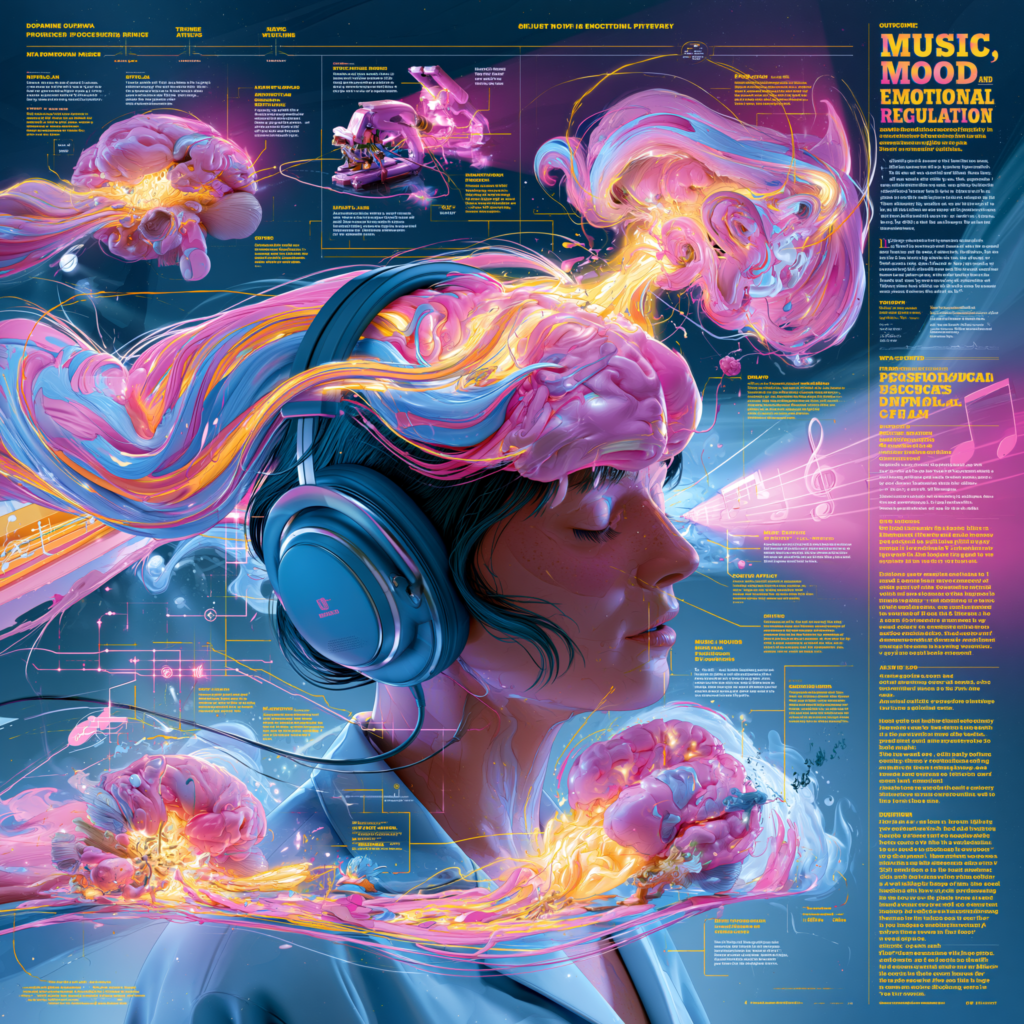
Figure 3. Music, Mood, and Emotional Regulation
Music is far more than entertainment. It is a powerful sensory experience that engages multiple regions of the brain simultaneously, influencing emotion, attention, memory, and physiological state. Research suggests that musical experiences may affect neural pathways involved in reward, motivation, and emotional processing, helping explain why certain songs can instantly change how we feel.
When people listen to meaningful or calming music, the brain may release neurotransmitters associated with pleasure and well-being. At the same time, music can help shift attention away from stressors, creating a sense of mental space and emotional relief. Slow, rhythmic sounds may encourage relaxation, while uplifting melodies can promote motivation, optimism, and resilience.
Music also possesses a unique ability to evoke memories. A familiar melody can reconnect individuals with important life experiences, relationships, and emotions, often strengthening feelings of identity and connection.
Because of these effects, music is increasingly being explored within neuroscience, psychology, wellness, and healthy aging research. While it is not a replacement for medical treatment, intentional listening may serve as a valuable tool for emotional regulation, stress reduction, cognitive engagement, and overall well-being throughout life.
It also means preserving joy, curiosity, and connection.
Music and sound often remain meaningful throughout life.
Shared listening experiences can foster:
- Social connection
- Emotional expression
- Relaxation
- Positive reminiscence
Everyday Applications
People may incorporate listening into:
- Journaling
- Reading
- Stretching
- Walking
- Quiet reflection
Small moments of restoration accumulate over time.
A Human Experience
Before medicine, before technology, humans gathered around rhythm and song.
Sound has always shaped community and emotional life.
The Brain Song™ builds upon this timeless relationship, inviting listeners to reconnect with one of humanity’s oldest forms of healing presence: attentive listening.
Ready to experience The Brain Song™ for yourself?
Understanding the science is only the beginning. The true value of audio wellness emerges through consistent practice. Explore how The Brain Song™ can become part of your daily rhythm—supporting moments of focus, emotional balance, cognitive relaxation, and mental recovery through intentional listening habits.