
Why Quick-Fix Weight Loss Programs Usually Fail
The weight-loss industry is filled with promises:
- lose 20 pounds fast
- melt belly fat overnight
- detox your body
- burn fat instantly
But despite billions spent on diets and supplements, long-term success rates remain disappointing.
Most quick-fix programs fail because they ignore how human metabolism actually works.
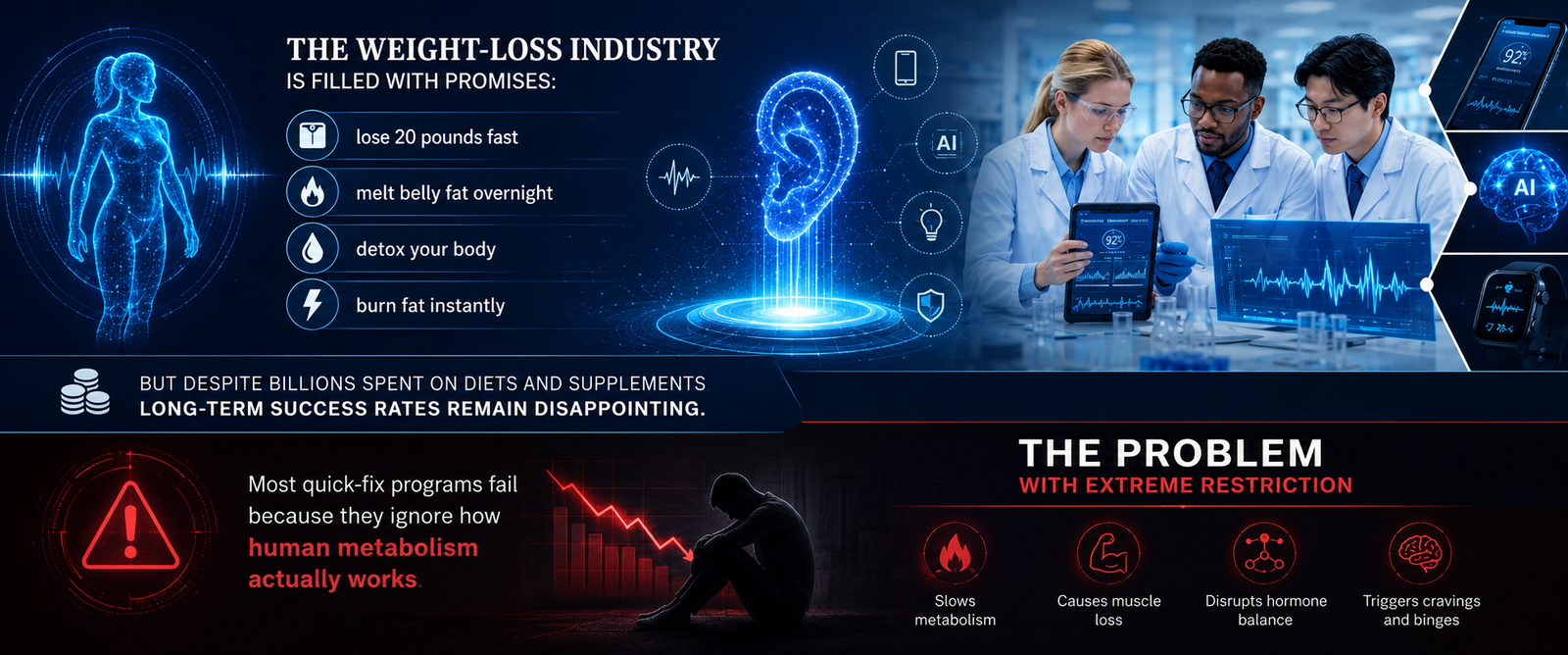
Figure 1. The Problem With Extreme Restriction
The weight-loss industry is filled with bold promises that often sound too good to be true. Advertisements frequently promote rapid results—lose weight quickly, eliminate belly fat, detoxify the body, or transform your appearance in just days. Yet despite billions of dollars spent annually on diets, supplements, and fitness programs, long-term weight-loss success remains surprisingly difficult for many people.
One major reason is that extreme restriction often works against human biology. When calorie intake drops dramatically, the body interprets the situation as a potential threat to survival. In response, metabolic processes may slow, hunger signals can increase, and energy conservation mechanisms become more active.
Severe dieting may also contribute to muscle loss, hormonal disruption, fatigue, and powerful food cravings. These biological responses often make long-term adherence difficult and increase the likelihood of regaining lost weight.
Sustainable weight management is rarely achieved through extreme measures. Instead, lasting success usually comes from supporting metabolism through balanced nutrition, regular physical activity, adequate sleep, stress management, and consistent healthy habits over time.
The Problem With Extreme Restriction
Many rapid weight-loss plans rely on severe calorie restriction.
Initially, weight often drops quickly due to:
- water loss
- glycogen depletion
- muscle loss
But the body rapidly adapts.
Metabolism slows to conserve energy.
Hunger hormones increase while energy levels decline.
Eventually, most people struggle to maintain the program and regain lost weight.
Weight Loss vs Metabolic Health
Losing weight is not always the same as becoming healthier.
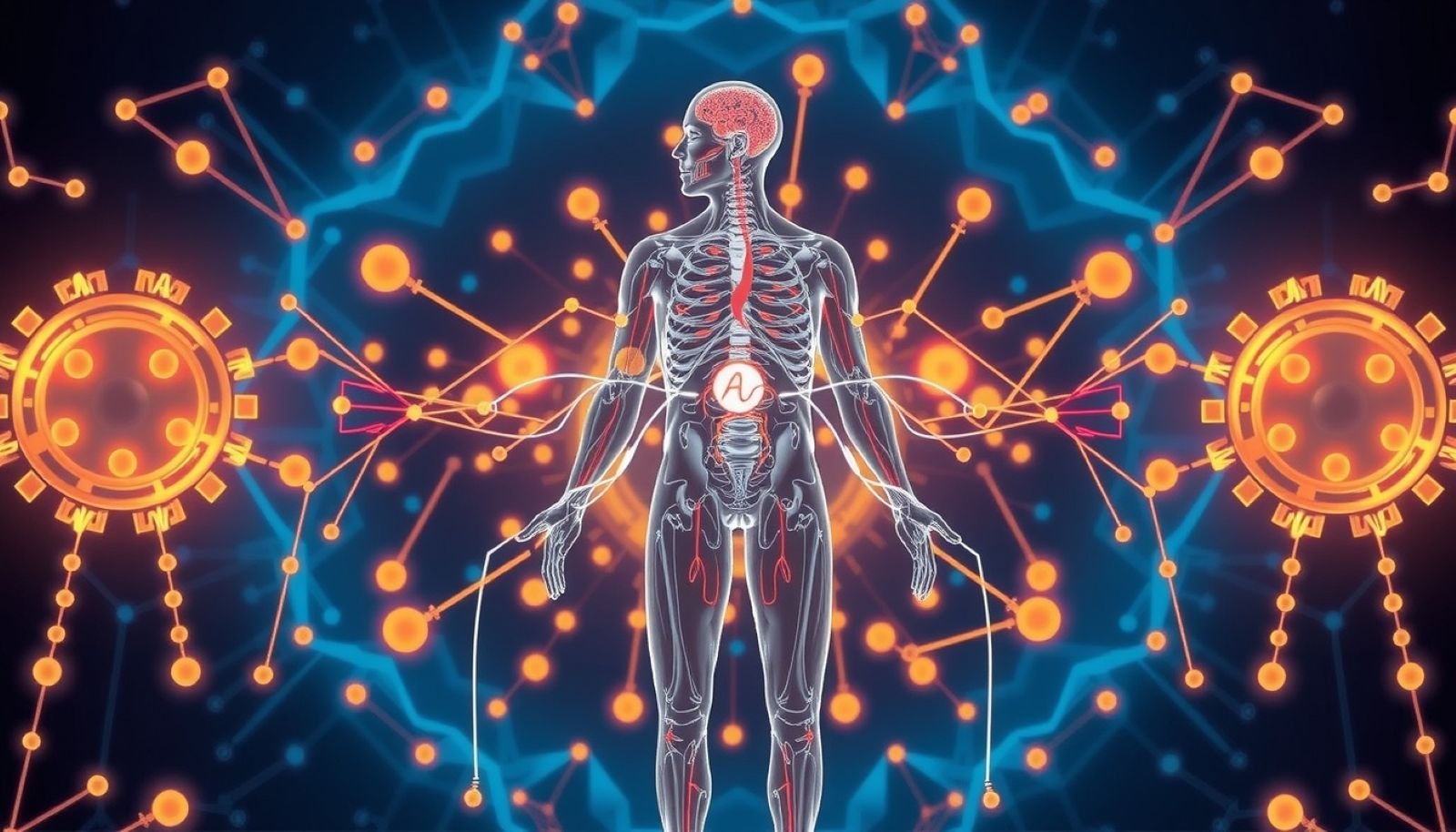
Figure 2. Metabolism: The Engine of Human Health
Metabolism is far more than a process that determines body weight. It represents the complex network of biochemical reactions that allow every cell in the body to produce, store, and utilize energy. From the beating of the heart to the firing of neurons in the brain, nearly every biological function depends on efficient metabolic activity.
The metabolic system involves constant communication between multiple organs, including the brain, liver, pancreas, muscles, adipose tissue, and digestive tract. Hormones such as insulin, glucagon, cortisol, and thyroid hormones help coordinate this intricate energy network.
When metabolism functions efficiently, the body maintains stable energy levels, healthy blood sugar regulation, effective fat utilization, and optimal cellular performance. However, chronic stress, poor nutrition, inadequate sleep, physical inactivity, and aging may disrupt these delicate pathways.
Modern research increasingly views metabolism as a central pillar of longevity, influencing inflammation, cardiovascular health, cognitive function, immune resilience, and healthy aging. Supporting metabolic health may therefore be one of the most powerful strategies for improving overall well-being and long-term quality of life.
Some people lose weight while:
- losing muscle
- worsening stress hormones
- slowing metabolism
- increasing fatigue
The goal should be improving metabolic function, not simply lowering the number on a scale.
Why Willpower Alone Is Not Enough
Many programs depend entirely on discipline and restriction.
But human biology strongly influences eating behavior.
Factors affecting appetite include:
- sleep quality
- stress
- blood sugar stability
- hormones
- inflammation
- food environment
Blaming people for biological responses often leads to frustration and shame.
Detox Culture and Metabolism
Many detox products promise to “cleanse” the body.
In reality, the liver, kidneys, lungs, and digestive system already perform detoxification continuously.

Figure 3. Detox Culture and Metabolism
Detox culture has become one of the most popular trends in modern wellness. Juice cleanses, detox teas, fasting programs, and supplement regimens are often promoted as ways to “flush toxins” and accelerate weight loss. While these approaches may sound appealing, human metabolism is far more sophisticated than most detox marketing suggests.
The body already possesses highly effective detoxification systems. The liver, kidneys, digestive tract, lungs, lymphatic system, and skin continuously process and eliminate waste products every day. These systems operate through complex biochemical pathways that require adequate nutrition, hydration, sleep, and energy—not extreme restriction.
Many detox programs rely on severe calorie reduction, which may temporarily decrease body weight through water loss and glycogen depletion. However, prolonged restriction can slow metabolic activity, increase fatigue, reduce muscle mass, and trigger compensatory hunger signals.
Sustainable metabolic health is usually supported not by short-term detoxes, but by consistent lifestyle habits: nutrient-dense foods, regular physical activity, restorative sleep, stress management, and healthy digestive function. True metabolic resilience comes from supporting the body’s natural systems rather than attempting to override them with quick-fix solutions.
Extreme cleanses often:
- reduce calories temporarily
- create water loss
- cause fatigue
- fail to produce sustainable results
Real metabolic health comes from long-term lifestyle patterns.
Sustainable Change Is Usually Boring
The truth about long-term fat loss is less exciting than marketing claims.
Effective strategies usually involve:
- consistent sleep
- whole-food nutrition
- walking
- strength training
- stress reduction
- protein intake
- gradual habit improvement
These habits may not sound dramatic, but they work because they support biology rather than fighting against it.
Why Weight Regain Happens
After significant weight loss, the body often attempts to restore previous weight levels.
This may involve:
- increased hunger
- lower energy expenditure
- stronger food cravings
The body perceives aggressive dieting as a survival threat.
This is why slow, sustainable approaches are generally more effective long term.
Health Is More Than Appearance
Many people chase unrealistic body standards promoted by social media and advertising.
But metabolic health includes:
- energy levels
- blood sugar control
- muscle function
- inflammation regulation
- cardiovascular health
- emotional well-being
The healthiest body is not always the leanest body.
Long-Term Thinking Changes Everything
Temporary diets create temporary results.
Long-term health requires systems and habits that can realistically be maintained for years.
The best nutrition strategy is usually the one a person can consistently sustain without constant suffering.
Final Thoughts
Quick-fix weight-loss programs often fail because they focus on short-term appearance rather than long-term biology.
The human body is adaptive and protective.
Sustainable fat loss happens when lifestyle habits support metabolic stability, recovery, movement, and resilience over time.
Health is not built in 30 days.
It is built through consistent daily choices repeated over months and years.
Explore Science-Based Guides for Preventive metabolism Care and Healthy