
Stress, Cortisol, and the Overstimulated Nervous System

Many modern sleep problems are not caused by lack of tiredness.
They are caused by an overstimulated nervous system that cannot shift into recovery mode.
Human physiology evolved to handle short bursts of stress followed by periods of safety and restoration. In ancestral environments, stress was typically physical and temporary — escaping danger, hunting, surviving environmental threats.
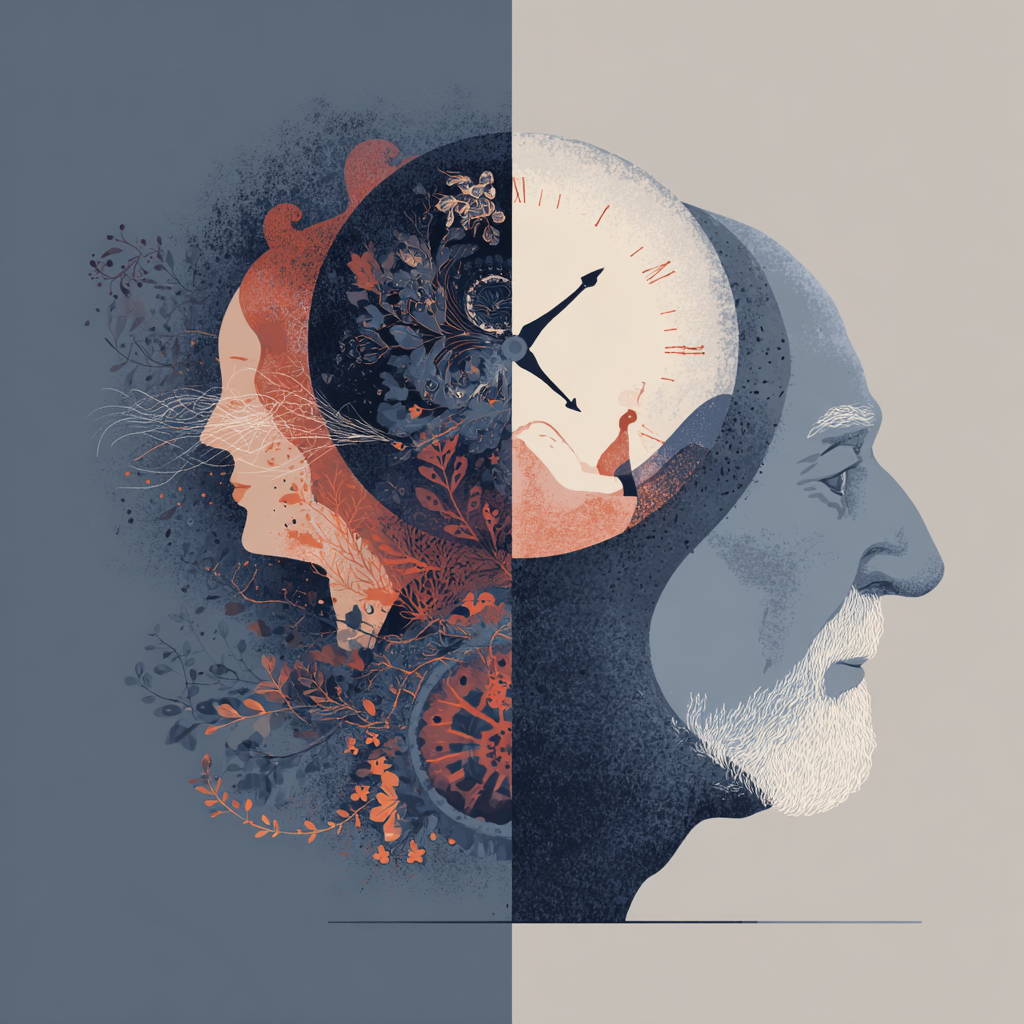
Modern stress is different.
Today’s nervous system faces:
- nonstop notifications,
- financial anxiety,
- work overload,
- social media stimulation,
- information saturation,
- sleep deprivation,
- and chronic psychological pressure.

The brain rarely receives signals that it is safe to fully relax.
This chronic stress activates the sympathetic nervous system — the “fight or flight” response — and elevates cortisol, the body’s primary stress hormone.
Cortisol is essential for survival when properly timed. Healthy cortisol rises in the morning to promote alertness and gradually declines throughout the day to allow sleep initiation at night.
But chronic stress disrupts this rhythm.
Many people now experience:
- elevated nighttime cortisol,
- racing thoughts,
- nighttime anxiety,
- shallow sleep,
- increased heart rate during sleep,
- and early morning awakenings.

The body remains biologically alert even while trying to sleep.
Overactivation of the nervous system also suppresses parasympathetic activity — the “rest and digest” state necessary for deep recovery and tissue repair.
When the brain perceives danger, deep sleep becomes biologically difficult.
Chronic stress also affects:
- blood sugar stability,
- inflammation,
- digestion,
- immune regulation,
- and emotional resilience.
This is why sleep problems are often connected to broader health issues.
Restoring deep sleep frequently requires calming the nervous system itself.
Helpful strategies may include:
- breathwork,
- meditation,
- evening light reduction,
- walking,
- journaling,
- limiting stimulating media,
- magnesium-rich nutrition,
- relaxation routines,
- and creating predictable sleep habits.
Sleep is not only about fatigue.
It is also about safety.
The nervous system must believe the environment is secure enough to enter deep biological repair mode.
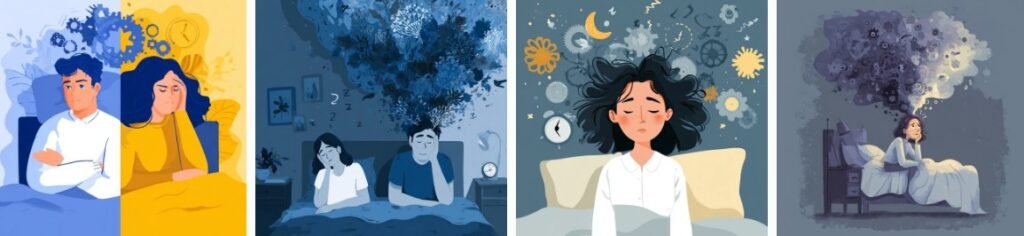
When stress decreases and parasympathetic balance improves, the body often regains its natural ability to sleep deeply.
Evidence-Based Sleep Support Review
/natural-sleep-support-review/