
The Blood Sugar–Weight Gain Connection Most People Ignore
Many people believe that weight gain is only about overeating.
But one of the biggest drivers of modern metabolic dysfunction may actually be unstable blood sugar regulation.
Understanding how glucose and insulin work can completely change how we approach fat loss.
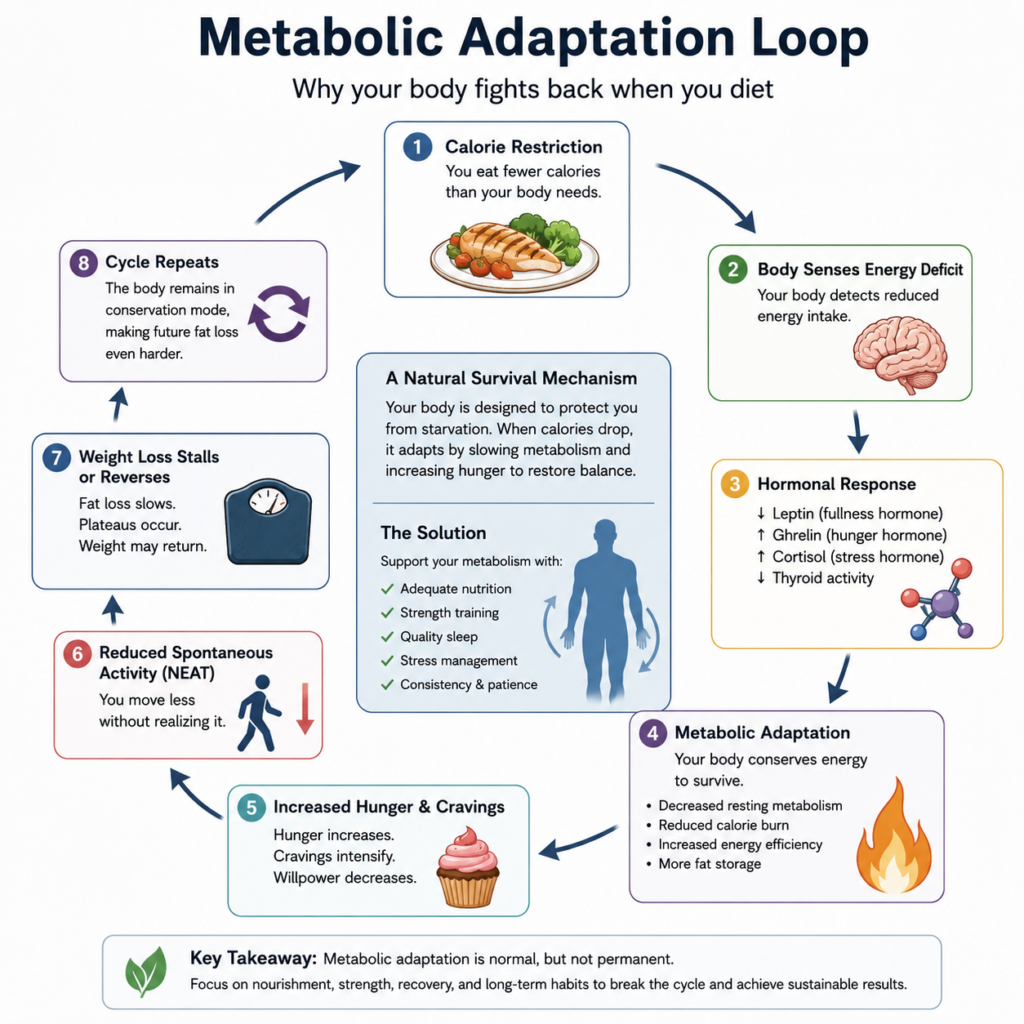
Your Body Runs on Energy Signals
Every time you eat, your body processes nutrients into usable energy.
Carbohydrates are broken down into glucose, which enters the bloodstream.
In response, the pancreas releases insulin — a hormone that helps move glucose into cells for energy or storage.

Insulin itself is not bad.
It is essential for survival.
Problems begin when blood sugar and insulin remain chronically elevated for long periods of time.
The Modern Blood Sugar Roller Coaster
Many ultra-processed foods rapidly spike blood sugar.
Examples include:
- Sugary drinks
- Refined breads
- Candy
- Processed cereals
- Fast food combinations
- Highly processed snacks
This creates a rapid cycle:
Blood Sugar Spike → Insulin Surge → Blood Sugar Crash → Hunger → Cravings
The result is often:
- Increased appetite
- Energy crashes
- More snacking
- Emotional eating
- Increased calorie intake
- Greater fat storage over time

Many people spend years trapped in this cycle without realizing it.
Insulin Resistance Changes the Metabolic Environment
Over time, cells may become less responsive to insulin.
This is called insulin resistance.
When this happens:
- The body requires more insulin
- Fat storage becomes easier
- Hunger signaling may increase
- Energy regulation becomes less efficient
Insulin resistance is closely associated with:
- Abdominal fat gain
- Prediabetes
- Type 2 diabetes
- Fatty liver disease
- Cardiovascular disease
- Chronic inflammation
This is why metabolic health matters far beyond aesthetics.
Visceral Fat Is Metabolically Active
Not all body fat behaves the same way.
Visceral fat — the fat surrounding internal organs — is particularly associated with inflammation and metabolic dysfunction.
Excess visceral fat may contribute to:
- Elevated inflammatory signaling
- Insulin resistance
- Hormonal disruption
- Cardiometabolic disease risk
Reducing visceral fat often improves health markers even before major scale changes occur.
Stabilizing Blood Sugar Can Improve Appetite Regulation
One reason high-protein, fiber-rich meals often work well is because they improve satiety and blood sugar stability.

Protein and fiber can:
- Slow glucose absorption
- Reduce hunger
- Improve fullness
- Support muscle preservation
- Reduce overeating tendencies
Meals centered around whole foods often create more stable energy patterns compared to highly processed foods.
Sleep Also Affects Blood Sugar
Poor sleep dramatically affects glucose regulation.
Even short-term sleep deprivation can:
- Increase insulin resistance
- Elevate hunger hormones
- Increase cravings
- Reduce impulse control
- Promote fat storage
This is one reason exhausted individuals often crave sugary foods.
The body is searching for rapid energy.
Exercise Improves Glucose Disposal
Muscles act like glucose “sinks.”
Physical activity helps move glucose out of the bloodstream and into muscle tissue.
This is why movement improves metabolic health even without extreme dieting.
Particularly effective strategies include:
- Walking after meals
- Resistance training
- Zone 2 cardio
- Daily movement consistency
The goal is not punishment.
The goal is improving metabolic flexibility.
Sustainable Fat Loss Starts with Metabolic Stability
Extreme calorie restriction often ignores the underlying metabolic environment.
A healthier strategy focuses on:
- Blood sugar stability
- Insulin sensitivity
- Muscle preservation
- Recovery
- Sustainable eating patterns
When metabolism becomes healthier, fat loss often becomes easier to sustain.
Final Thought
Weight gain is not simply a moral failure or a lack of discipline.
For many people, it reflects years of metabolic dysregulation driven by modern lifestyles, processed foods, poor sleep, chronic stress, and sedentary living.
The good news?
Metabolism is dynamic.
And small consistent improvements in nutrition, sleep, movement, and recovery can gradually shift the body toward better metabolic health.
Evidence-Based Resources for Health and metabolism Wellness