
Understanding the Oral Microbiome
The Hidden Ecosystem Living Inside Your Mouth
Most people think of the mouth simply as a place for teeth, gums, and chewing. But biologically, the mouth is one of the most active microbial ecosystems in the human body.
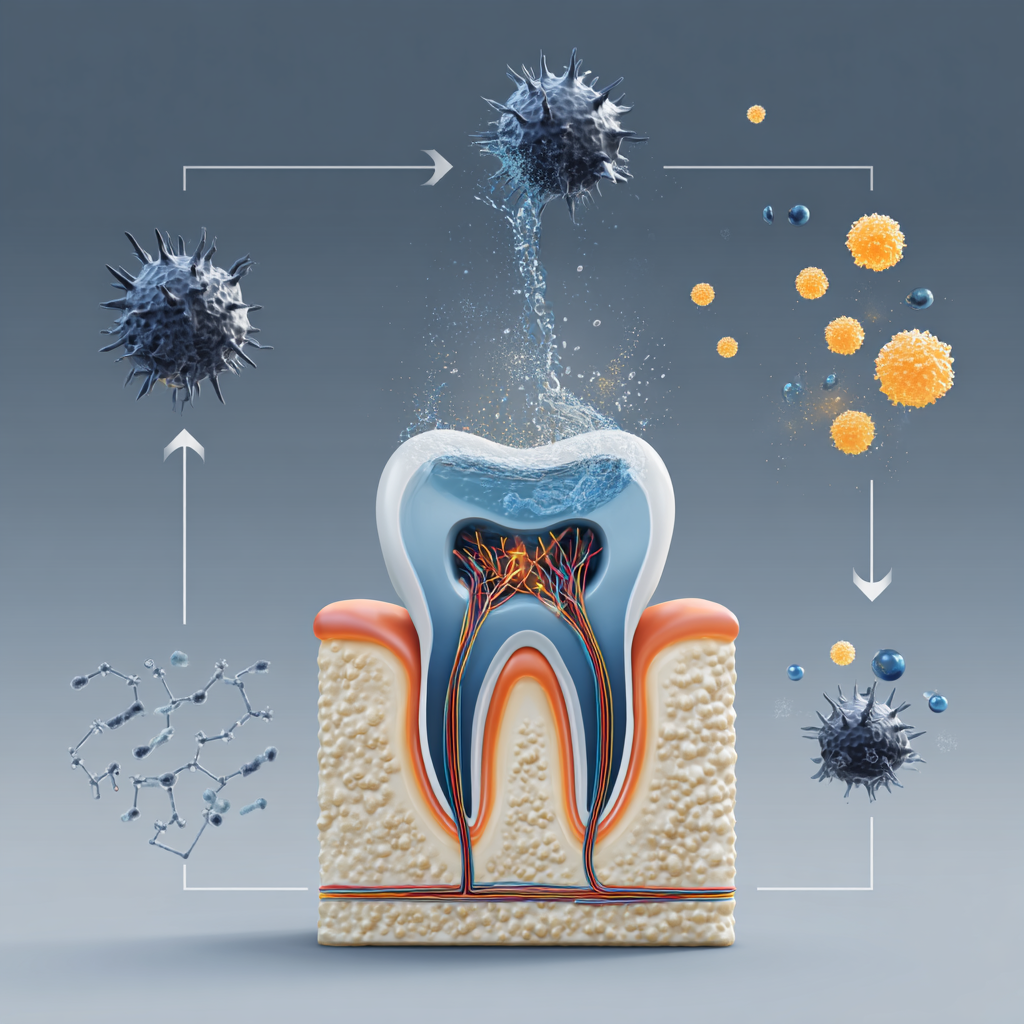
Every surface inside the oral cavity — teeth, tongue, cheeks, gums, and saliva — hosts communities of microorganisms interacting continuously with the immune system and the rest of the body.
This ecosystem is known as the oral microbiome.
Modern oral biology increasingly recognizes that long-term dental health depends not only on brushing and flossing, but also on maintaining microbial balance.
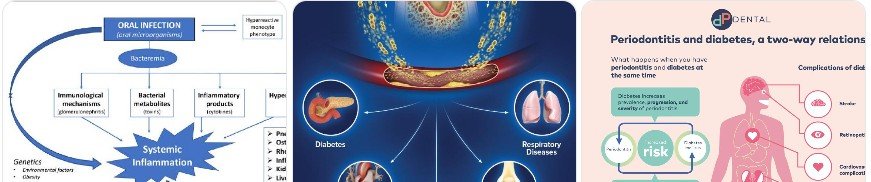
Your Mouth Contains Hundreds of Bacterial Species
Scientists estimate that the human mouth may contain over 700 microbial species.
These include:
- bacteria
- fungi
- viruses
- protozoa
Not all microbes are harmful.
In fact, many are beneficial and help:
- regulate pH balance
- prevent pathogen overgrowth
- assist immune signaling
- stabilize oral tissues
- support nitric oxide production
The goal is not sterility.
The goal is ecological balance.
Problems begin when harmful species dominate the oral environment.
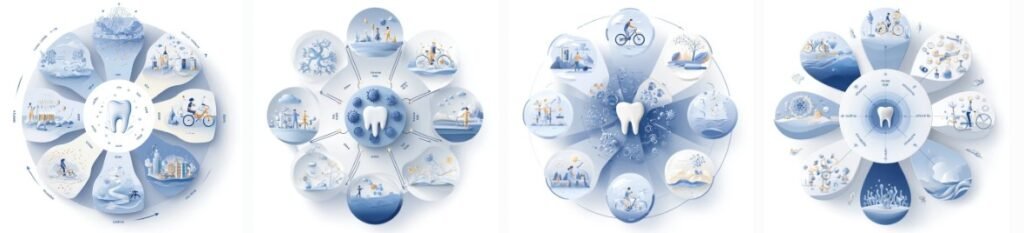
What Disrupts the Oral Microbiome?
Modern lifestyles may significantly disrupt oral microbial stability.
Common contributors include:
- high sugar diets
- ultra-processed foods
- smoking
- alcohol overuse
- chronic stress
- poor sleep
- dehydration
- mouth breathing
- excessive antibacterial products
- certain medications
When balance is disrupted, harmful bacteria form sticky biofilms on tooth surfaces.
This biofilm becomes plaque.
If plaque remains undisturbed, inflammation increases and gum tissues become damaged.

The Link Between the Mouth and the Gut
The mouth is the entrance to the gastrointestinal system.
Every day, humans swallow enormous quantities of oral bacteria.
This means oral microbial balance may influence:
- gut microbiome composition
- digestive inflammation
- immune signaling
- nitric oxide pathways
- metabolic health
Researchers increasingly study how oral dysbiosis may contribute to systemic inflammatory diseases.
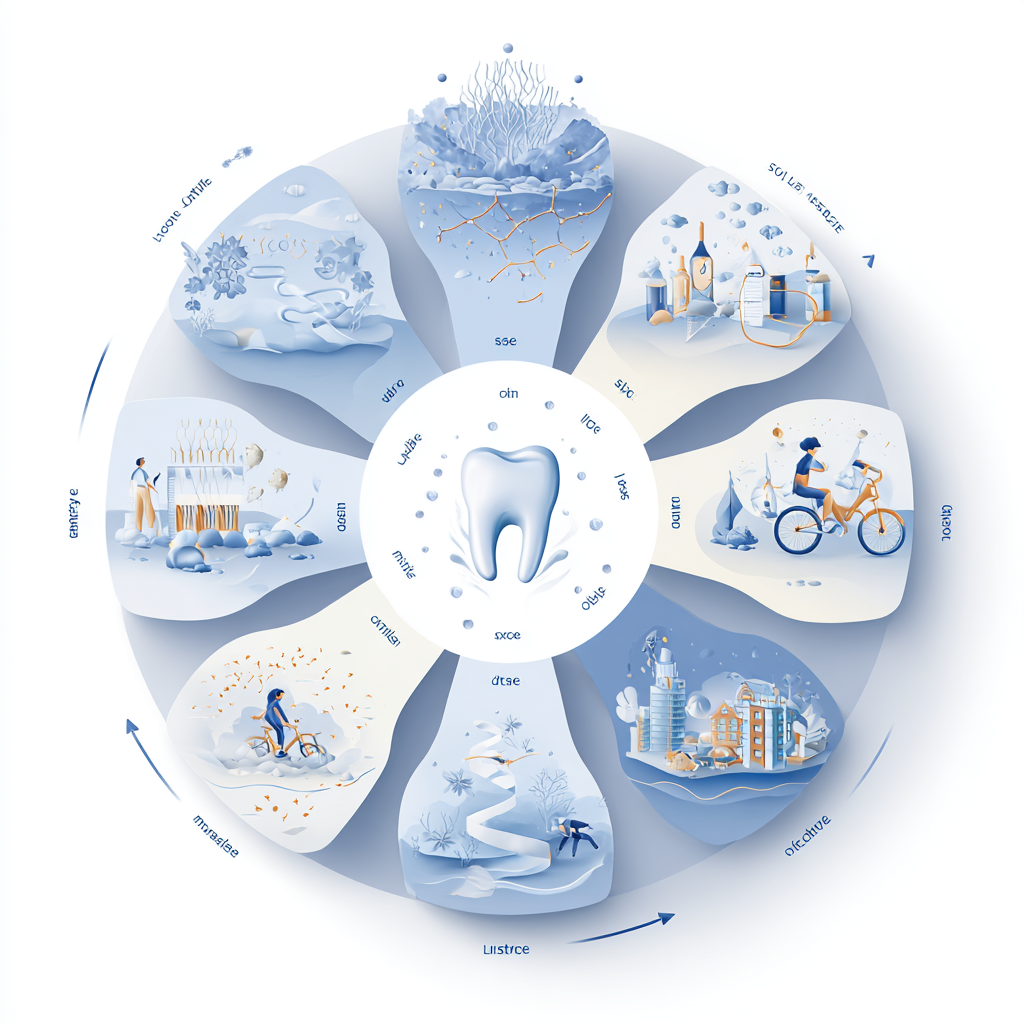
Saliva: The Forgotten Defender
Saliva is one of the body’s most important protective fluids.
Healthy saliva helps:
- neutralize acids
- wash away debris
- regulate microbes
- remineralize enamel
- lubricate tissues
- support digestion
Dry mouth dramatically increases:
- cavity risk
- gum disease
- oral infections
- bad breath
Many medications reduce saliva production, including:
- antihistamines
- antidepressants
- blood pressure medications
- sleep medications
Hydration and nasal breathing are therefore more important than many people realize.

Supporting a Healthier Oral Ecosystem
Modern dentistry increasingly emphasizes microbial management instead of purely mechanical treatment.
Evidence-based strategies include:
- reducing sugar frequency
- improving sleep quality
- increasing hydration
- eating fiber-rich foods
- improving nasal breathing
- regular hygiene
- tongue cleaning
- avoiding tobacco
Some emerging research also explores:
- oral probiotics
- microbiome-based therapies
- salivary diagnostics
- personalized oral medicine
The future of dentistry may revolve less around aggressive intervention and more around ecological restoration.
Discover how oral health connects to inflammation, metabolism, cardiovascular wellness, and long-term whole-body health.