
The Future of Dentistry
Technology, Precision, and Prevention
Dentistry is undergoing remarkable transformation.
Emerging technologies are reshaping diagnosis, treatment, and patient experience.
The future is increasingly personalized.
Digital Imaging
Advanced imaging provides unprecedented detail.
Examples include:
Digital Radiography
Lower radiation exposure.
Immediate image access.
Technology, Precision, and Prevention in Modern Dentistry
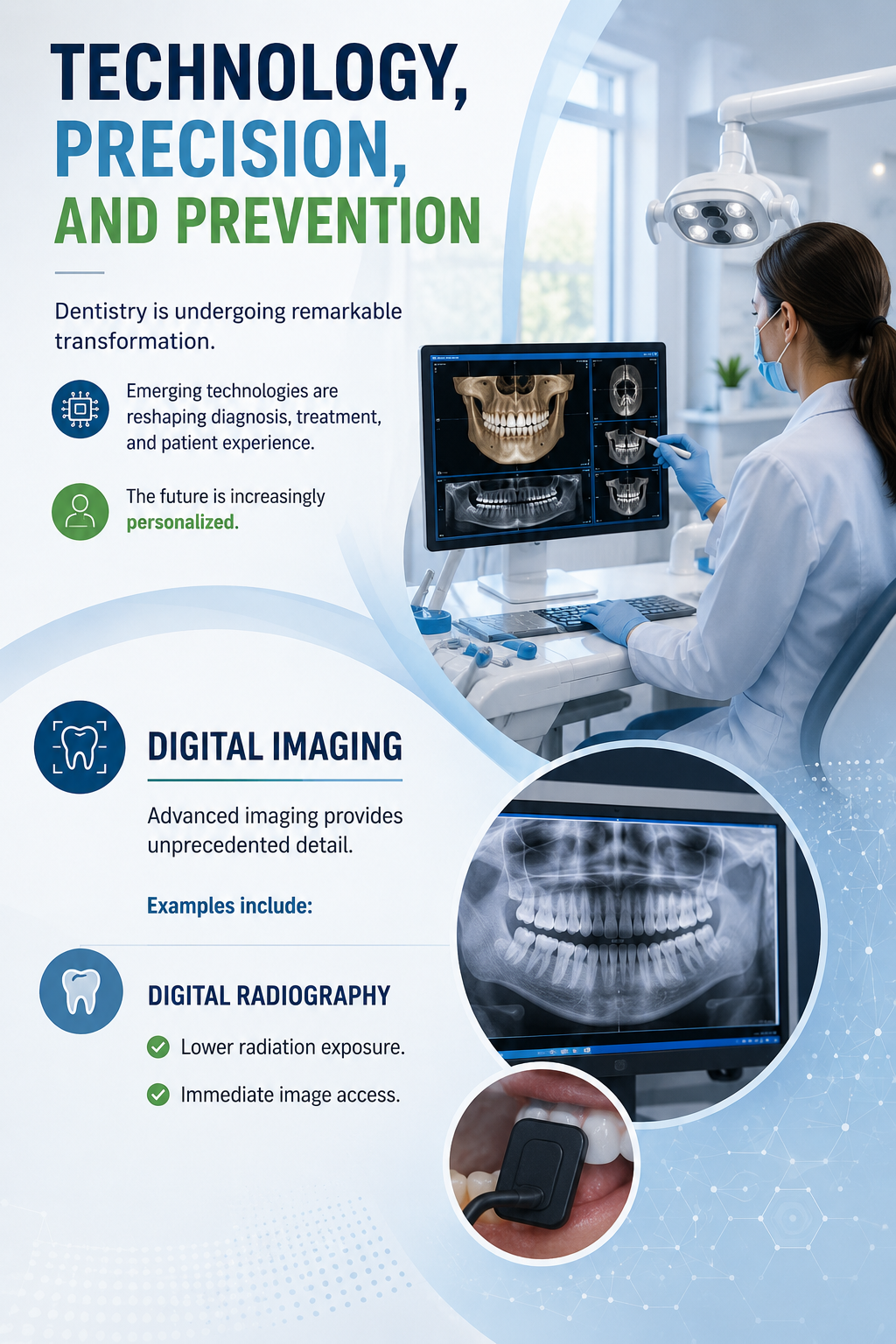
Dentistry is experiencing one of the most significant technological transformations in its history. Advances in digital technology, artificial intelligence, and precision diagnostics are changing how oral diseases are detected, monitored, and treated. Rather than focusing solely on repairing damaged teeth, modern dentistry increasingly emphasizes prevention, early intervention, and personalized care. These innovations allow dental professionals to identify potential problems earlier, improve treatment accuracy, and enhance the overall patient experience.
One of the most important developments is digital imaging. Digital radiography has largely replaced traditional film-based X-rays in many dental practices because it produces high-quality images with significantly lower radiation exposure. Images are available immediately, allowing dentists to review findings with patients in real time and make faster clinical decisions. Digital records can also be securely stored, shared with specialists, and compared over time to monitor changes in oral health.
Three-dimensional imaging, such as cone-beam computed tomography (CBCT), provides detailed views of teeth, bone, nerves, and surrounding structures. This technology supports more accurate planning for dental implants, orthodontics, oral surgery, and complex restorative procedures. Enhanced visualization helps clinicians improve precision while reducing the risk of complications.
Artificial intelligence is also beginning to assist dental professionals by analyzing radiographs, identifying areas that may require closer evaluation, and helping standardize diagnostic assessments. Although AI does not replace clinical judgment, it may improve consistency and support earlier detection of conditions such as dental caries, periodontal bone loss, and other structural abnormalities.
Digital dentistry extends beyond diagnosis. Intraoral scanners can create highly accurate three-dimensional models of the mouth without the discomfort associated with conventional impression materials. Combined with computer-aided design and manufacturing (CAD/CAM) technology, dentists can design and fabricate crowns, veneers, bridges, and other restorations with exceptional precision, sometimes during a single appointment.
Perhaps the greatest shift is toward personalized preventive care. By integrating digital imaging, clinical examinations, patient history, risk assessment, and ongoing monitoring, dental professionals can develop individualized prevention strategies that reflect each person’s unique oral health profile. Patients become active participants in maintaining their oral health rather than seeking treatment only after symptoms develop.
As technology continues to evolve, modern dentistry is becoming increasingly predictive, minimally invasive, and patient-centered. While routine brushing, flossing, healthy nutrition, and regular dental examinations remain the foundation of oral health, advanced technologies are providing clinicians with powerful new tools to preserve natural teeth, improve long-term outcomes, and support healthier smiles throughout life.
CBCT
Three-dimensional visualization.
Useful for:
- Implant planning
- Endodontics
- Surgical procedures
Intraoral Scanners
Replace traditional impressions.
Improve comfort.
Enhance precision.
Artificial Intelligence
AI-assisted systems are beginning to support clinicians.
Potential applications include:
- Detecting lesions
- Identifying bone loss
- Risk prediction
- Workflow optimization
AI complements—but does not replace—clinical judgment.
Personalized Dentistry
Future care may incorporate:
- Genetic information
- Salivary biomarkers
- Microbiome analysis
- Behavioral data
This approach aims to tailor prevention strategies.
Regenerative Approaches
Researchers are investigating methods to regenerate tissues.
Areas of exploration include:
- Pulp regeneration
- Bone regeneration
- Periodontal regeneration
- Biomaterials
- Stem cell applications
Many remain under development.
Teledentistry
Remote consultations improve access.
Potential uses include:
- Triage
- Follow-up care
- Education
- Rural outreach
Technology can extend expertise beyond traditional settings.
Prevention-First Care
The future of dentistry may shift toward:
Reactive treatment → Predictive prevention
Disease management → Health optimization
Procedure-centered care → Patient-centered partnerships
Why Prevention Comes Before Treatment
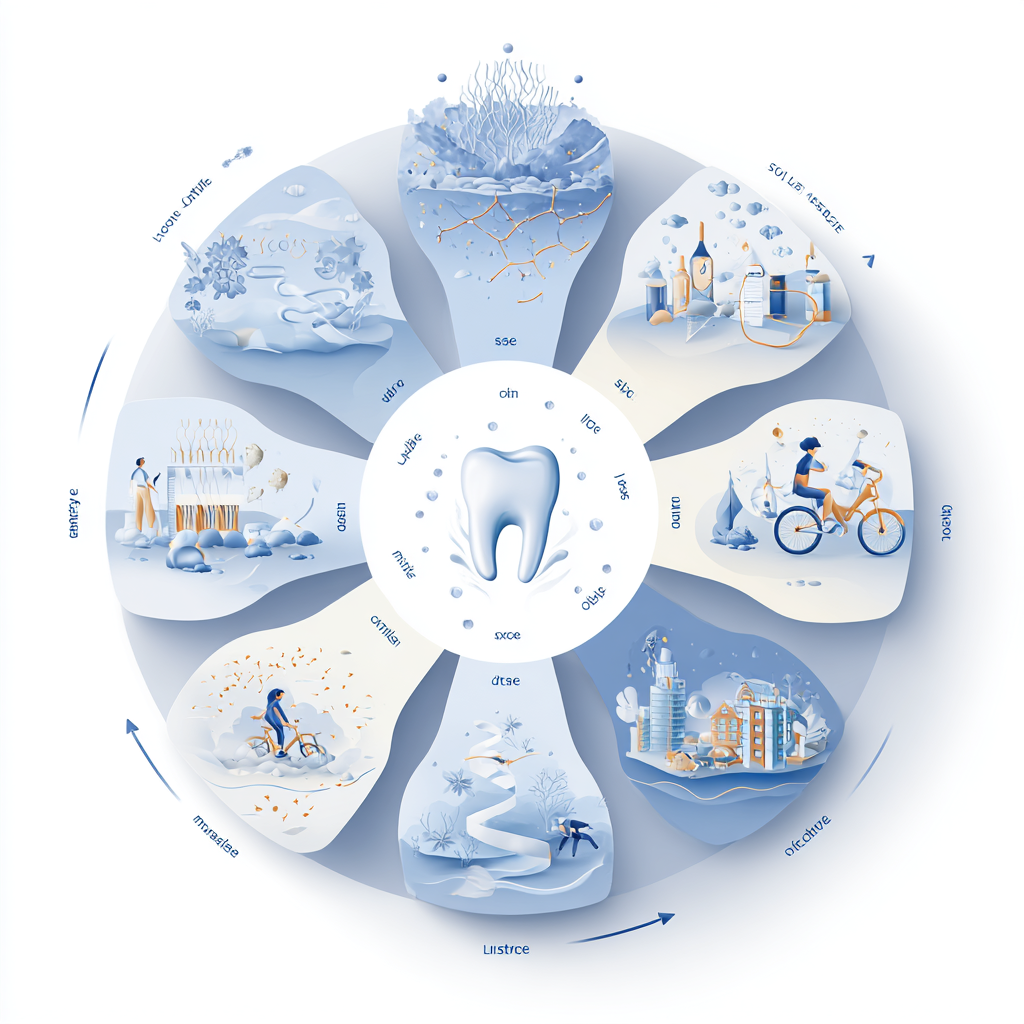
For generations, healthcare systems have focused primarily on diagnosing and treating disease after symptoms appear. While modern medicine has achieved extraordinary advances in acute care and life-saving interventions, the future of health increasingly lies in preventing disease before it develops. Prevention-first care represents a proactive approach that seeks to maintain wellness, reduce long-term risk, and preserve quality of life throughout every stage of aging.
Rather than waiting for illness to occur, prevention-first care encourages continuous attention to the biological systems that support lifelong health. These include nutrition, physical activity, sleep, stress management, oral health, metabolic function, cardiovascular fitness, and regular health monitoring. Each lifestyle choice influences multiple interconnected systems, creating cumulative effects that shape long-term well-being.
Preventive dentistry illustrates this philosophy particularly well. Daily brushing, flossing, professional cleanings, fluoride protection, healthy nutrition, and early screening help preserve natural teeth while reducing the risk of cavities, periodontal disease, and tooth loss. Oral health also reflects broader systemic health, with growing research highlighting connections between periodontal inflammation and cardiovascular disease, diabetes, and healthy aging.
Technology is further transforming prevention-first care. Digital imaging, artificial intelligence, wearable devices, genetic testing, biomarker analysis, and personalized risk assessments allow clinicians to detect subtle changes long before symptoms emerge. These innovations support earlier interventions that are often simpler, less invasive, and more effective than treatments delivered after disease has progressed.
The prevention-first model also emphasizes patient participation. Individuals become active partners in maintaining their health through informed daily decisions, routine screenings, and collaboration with healthcare professionals. Small, consistent habits practiced over many years often produce greater benefits than dramatic short-term interventions.
Ultimately, prevention-first care reflects a shift from reactive medicine to lifelong health optimization. By supporting healthy biological systems, identifying risks early, and encouraging sustainable lifestyle practices, healthcare can move beyond simply treating disease toward promoting resilience, vitality, and healthy longevity. The healthiest future is built not only through medical treatment, but through everyday actions that protect health before illness begins.
Key Takeaway
Tomorrow’s dentistry will likely be more digital, personalized, preventive, and biologically informed than ever before.
Interested in Learning More About ProDentim?
If you’re exploring oral probiotic supplements, reviewing the product’s ingredient profile, formulation approach, and manufacturer information can help you make a more informed decision. Rather than relying on marketing claims alone, take time to understand what the formula contains, how it is intended to support the oral microbiome, and whether it aligns with your personal wellness goals. Reading the official product information is an important first step before considering any supplement.