
Why Blood Sugar Matters More Than You Think
The Hidden Foundation of Long-Term Health
Blood sugar is often discussed only in the context of diabetes. Yet glucose regulation influences nearly every aspect of human health—from energy levels and body weight to brain function, cardiovascular health, immune resilience, and healthy aging.
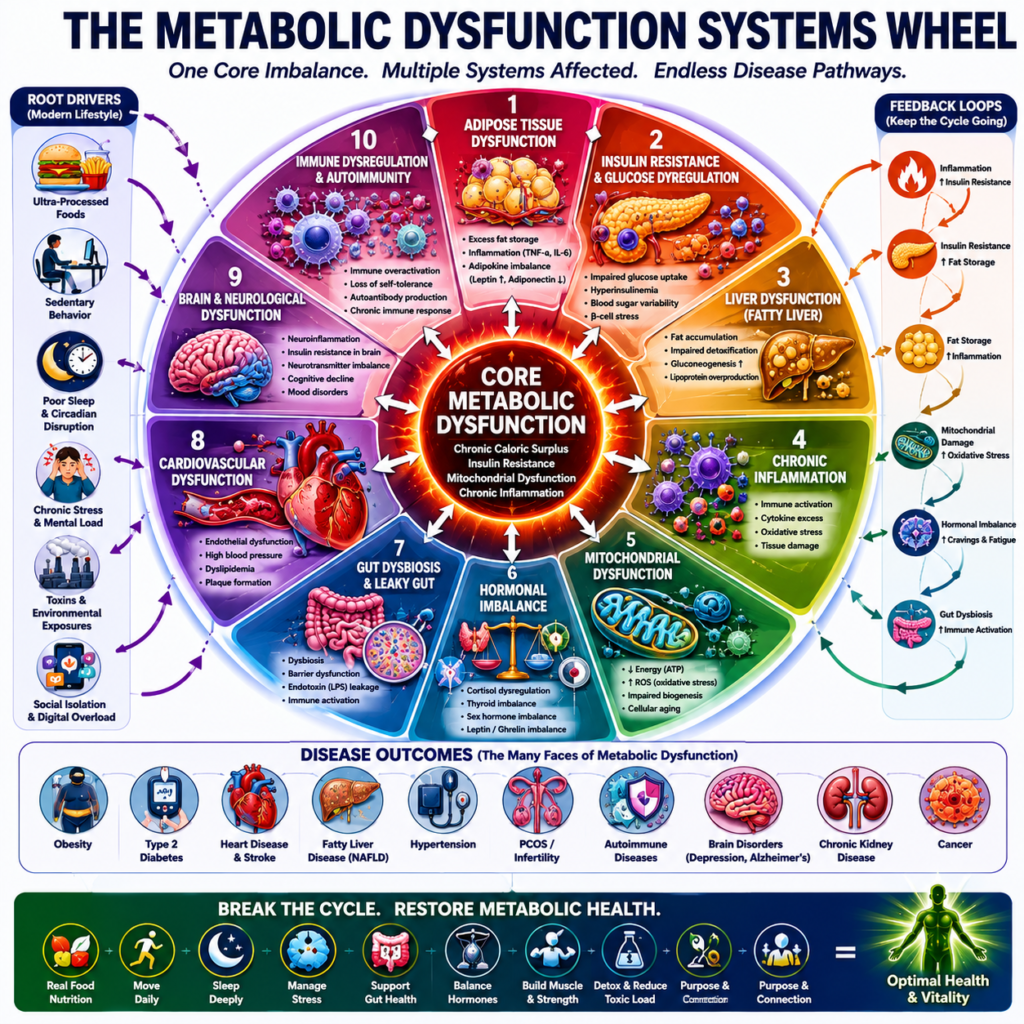
Figure 1. The Metabolic Dysfunction Systems Wheel. illustrates how modern lifestyle factors can trigger a cascade of interconnected biological disturbances that affect nearly every system in the body. At the center lies core metabolic dysfunction, characterized by chronic caloric excess, insulin resistance, mitochondrial impairment, and persistent low-grade inflammation. From this central imbalance emerge multiple overlapping pathways, including adipose tissue dysfunction, glucose dysregulation, fatty liver disease, chronic inflammation, hormonal disruption, mitochondrial decline, gut dysbiosis, cardiovascular dysfunction, neurological impairment, and immune dysregulation.
The diagram emphasizes that chronic diseases rarely develop in isolation. Instead, obesity, type 2 diabetes, hypertension, cardiovascular disease, autoimmune conditions, cognitive decline, kidney disease, and even certain cancers often share common metabolic roots. Feedback loops among these systems reinforce dysfunction, allowing disease processes to progress silently over many years.
Importantly, the wheel also highlights hope. By addressing the underlying drivers—including poor nutrition, physical inactivity, inadequate sleep, chronic stress, environmental exposures, and social disconnection—it is possible to interrupt these harmful cycles. Through real food nutrition, regular movement, restorative sleep, stress management, gut support, hormonal balance, strength building, and meaningful connection, individuals can restore metabolic resilience and promote long-term health, vitality, and healthy aging.
The body relies on glucose as one of its primary energy sources. Every time we eat carbohydrates, digestion breaks them down into glucose, which enters the bloodstream. In response, the pancreas releases insulin, a hormone that helps transport glucose into cells where it can be used for energy or stored for future use.
In a healthy system, this process occurs seamlessly. Blood sugar rises modestly after meals and gradually returns to baseline. Cells remain sensitive to insulin, allowing efficient energy utilization.

Figure 2. Why Blood Sugar Matters More Than You Think
Blood sugar is far more than a number on a laboratory report—it reflects the body’s ability to produce energy, maintain balance, and support long-term health. Every cell depends on a steady supply of glucose, yet chronic spikes and crashes can gradually disrupt metabolism, increase inflammation, and strain vital organs. Over time, poor blood sugar regulation may contribute to fatigue, weight gain, cardiovascular disease, cognitive decline, and accelerated aging.
This illustration symbolizes the hidden biological forces shaping our health beneath the surface. Understanding how nutrition, physical activity, sleep, stress, and lifestyle choices influence glucose control empowers us to take preventive action. By protecting metabolic health today, we lay the foundation for greater vitality, resilience, and healthy aging tomorrow.
Small changes in daily habits can have profound effects on blood sugar stability and overall well-being. Choosing nutrient-dense foods, engaging in regular movement, prioritizing restorative sleep, and managing chronic stress all support healthier glucose regulation. Rather than waiting for disease to develop, adopting a prevention-first mindset allows individuals to recognize early warning signs and build lifelong metabolic resilience.
Better blood sugar control is not only about avoiding diabetes—it is about protecting energy, brain function, cardiovascular health, and future quality of life.
However, modern lifestyles often overwhelm this delicate system.
Ultra-processed foods, excessive caloric intake, chronic stress, sleep deprivation, and sedentary behavior repeatedly elevate insulin levels. Over time, cells become less responsive to insulin. The pancreases by producing more. Eventually, this compensation may fail.
The result is metabolic dysfunction.
Long before diabetes develops, subtle warning signs often appear:
• Energy crashes after meals
• Increased hunger and cravings
• Difficulty losing weight
• Brain fog
• Abdominal weight gain
• Elevated triglycerides
• Rising blood pressure
• Fatty liver changes
These symptoms may seem unrelated, yet they often reflect impaired glucose regulation.
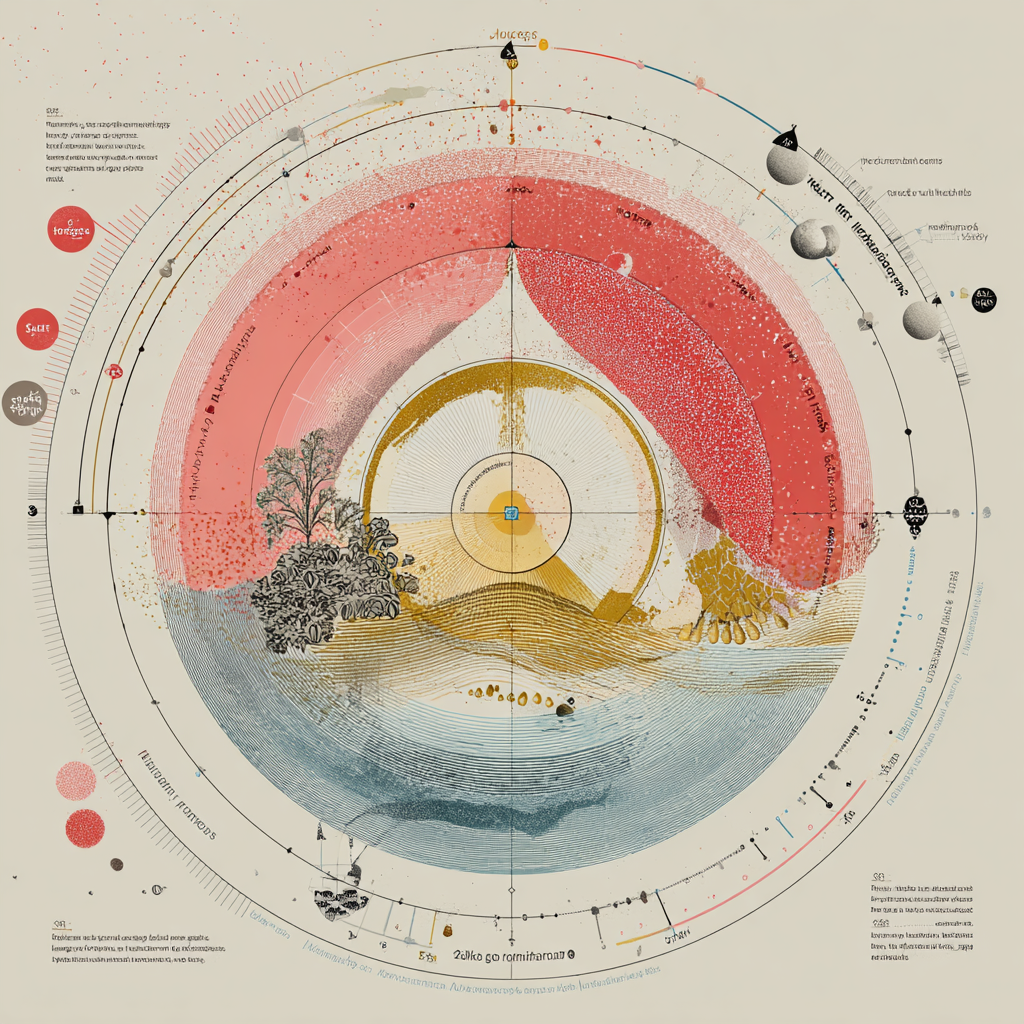
Figure 3. A Systems View of Blood Sugar Balance
This illustration portrays blood sugar regulation as a dynamic and interconnected biological system rather than a single laboratory value. The circular design symbolizes the continuous rhythms that govern glucose balance, influenced by nutrition, hormones, physical activity, sleep, stress, and the body’s internal feedback mechanisms.
When these systems function harmoniously, blood sugar remains stable, supporting energy production, mental clarity, metabolic flexibility, and overall well-being. However, persistent disruptions can gradually contribute to insulin resistance, chronic inflammation, fatigue, weight gain, cardiovascular disease, and accelerated aging. Many early warning signs may appear subtle or unrelated, yet they often reflect deeper metabolic imbalances.
The Blood Sugar Reset Blueprint encourages a prevention-first approach by helping individuals understand these interconnected pathways.
By making informed lifestyle choices and recognizing patterns early, we can restore metabolic resilience, improve quality of life, and build a stronger foundation for lifelong health and healthy aging.
The Blood Sugar Reset Blueprint views blood sugar through a systems perspective. Rather than focusing solely on glucose numbers, it recognizes that insulin, mitochondria, inflammation, hormones, sleep, movement, and nutrition function as an interconnected network.
Healthy aging depends upon preserving metabolic flexibility—the body’s ability to efficiently switch between fuel sources and maintain stable energy.
Blood sugar health is therefore not simply about preventing diabetes.
It is about protecting the entire human system.
Small improvements made today may reduce the risk of chronic diseases later.
The earlier we intervene, the greater the opportunity to restore balance.
Because blood sugar regulation is not merely a laboratory measurement.
It is one of the foundations of lifelong vitality.
Trusted Educational Resources for blood-sugar- Health Longevity and Mobility Support