
Joint Health and Physical Freedom
Healthy joints allow the body to move efficiently.
When joint discomfort develops, many people become less active.
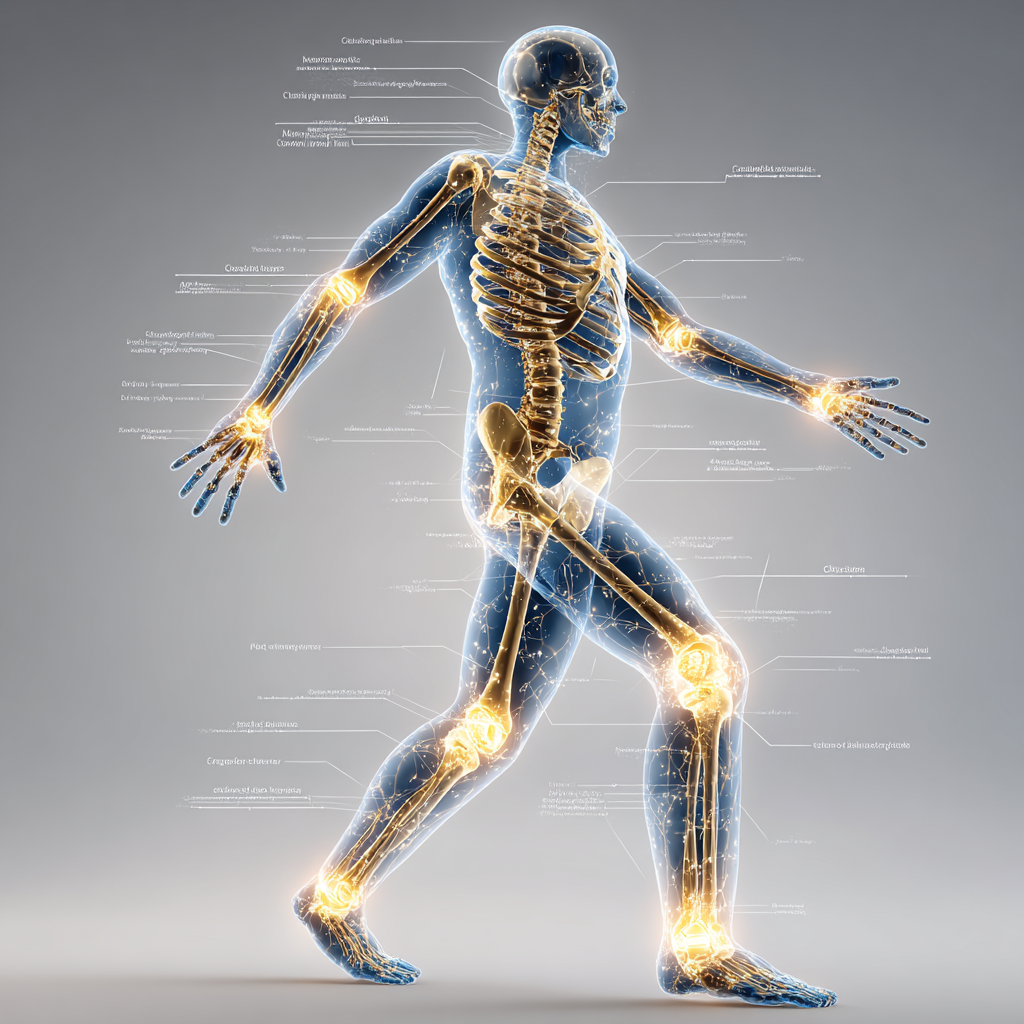
Figure 1. Healthy joints allow the body to move efficiently. This illustration highlights one of the most remarkable engineering achievements of the human body—the joint system. Joints serve as dynamic connection points between bones, allowing movement while maintaining stability and balance.
From the shoulders and elbows to the hips, knees, ankles, and wrists, each joint is supported by a sophisticated network of cartilage, ligaments, tendons, synovial fluid, and surrounding muscles.
The glowing structures in this image symbolize the constant activity occurring within healthy joints: shock absorption, force distribution, tissue repair, and biomechanical coordination. Every step we take, every object we lift, and every gesture we make depends on these silent partnerships between structure and motion. As we age, chronic inflammation, repetitive stress, sedentary lifestyles, and metabolic dysfunction can gradually compromise joint integrity.
Understanding how joints function reminds us that mobility is not merely movement—it is a cornerstone of independence, vitality, and healthy aging. Protecting joint health through exercise, nutrition, recovery, and preventive care helps preserve quality of life throughout the lifespan.
Reduced movement may then contribute to:
- Weight gain
- Reduced circulation
- Muscle loss
- Poor metabolic health
- Increased inflammation
This creates a downward spiral.
Maintaining mobility helps interrupt this cycle.

Figure 2. This illustration emphasizes that joint health is deeply connected to whole-body metabolism. Joints are not isolated mechanical structures; they are living tissues influenced by blood sugar regulation, inflammation, immune activity, gut microbiome balance, and energy metabolism. Excess body weight and insulin resistance can increase inflammatory signaling, accelerating cartilage breakdown and joint discomfort. Conversely, healthy muscles, efficient mitochondrial function, and balanced nutrition help support joint stability, tissue repair, and mobility. Emerging research also highlights the role of the gut–immune–joint axis, showing how microbial diversity may influence inflammatory processes affecting the musculoskeletal system. Protecting metabolic health through regular exercise, anti-inflammatory nutrition, restorative sleep, and weight management may therefore preserve both joint function and long-term quality of life, reinforcing the concept that movement and metabolism are inseparable partners in healthy aging.
Sedentary Living and Biological Decline
Modern environments encourage sitting for long periods.
Extended inactivity may affect:
- Circulation
- Joint lubrication
- Muscle activation
- Metabolism
- Flexibility
The human body evolved for movement.
Daily walking, stretching, strength training, and mobility exercises may help support healthier aging trajectories.
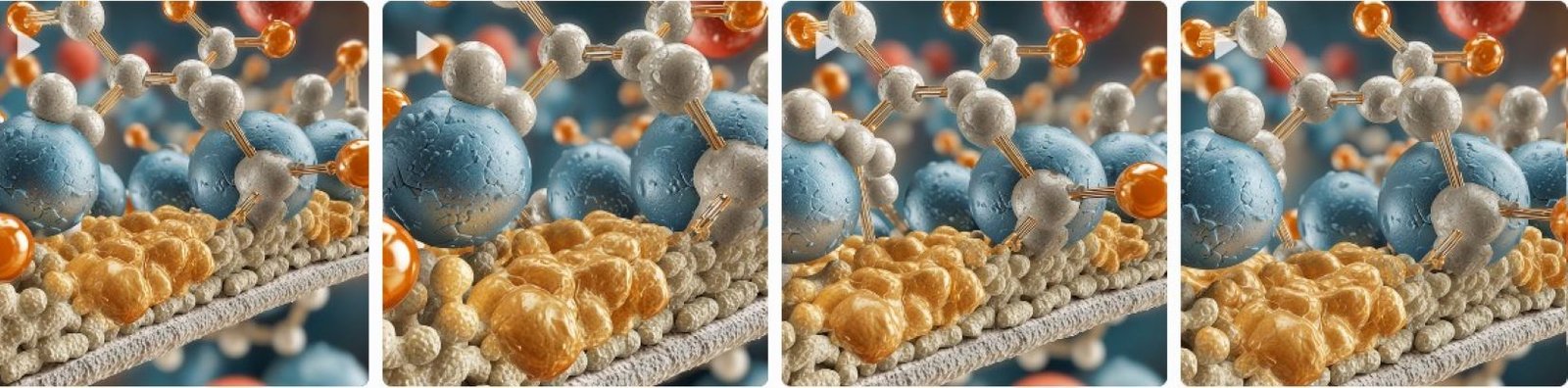
Figure 3. Glucosamine hydrochloride is one of the key building blocks involved in maintaining healthy joint structure and function. Naturally present in cartilage, glucosamine contributes to the formation of glycosaminoglycans and proteoglycans—specialized molecules that give cartilage its strength, elasticity, and shock-absorbing capacity. These compounds help cartilage retain water, allowing joints to move smoothly and withstand daily mechanical stress. Although the body’s ability to produce glucosamine may decline with aging, injury, or metabolic dysfunction, adequate nutritional support may assist normal cartilage turnover and joint maintenance. Often used in joint health supplements, glucosamine hydrochloride is studied for its potential role in supporting mobility, comfort, and long-term musculoskeletal resilience. Its importance highlights the intimate relationship between metabolism, tissue repair, and the preservation of healthy movement throughout the aging process.
Balance and Brain Health
Mobility is closely connected to neurological health.
Balance depends on:
- Vision
- Inner ear systems
- Sensory feedback
- Brain coordination
- Muscle response
Mobility decline sometimes reflects broader nervous system aging.
This is why exercise is increasingly associated with brain longevity research.
Physical movement stimulates the brain.
Circulation and Joint Recovery
Healthy circulation supports nutrient delivery to tissues.
Cartilage has limited direct blood supply, making recovery more challenging.
Movement helps improve:
- Blood flow
- Oxygen delivery
- Waste removal
- Tissue nourishment
Gentle activity often supports recovery better than prolonged inactivity.
Exercise and Healthy Aging
Different forms of movement support different systems.
Walking may support:
- Cardiovascular health
- Mood
- Circulation
- Metabolism
Strength training may support:
- Muscle mass
- Joint stability
- Bone density
Mobility exercises may support:
- Flexibility
- Range of motion
- Coordination
Balance training may support:
- Fall prevention
- Neurological resilience
The most effective programs usually combine multiple forms of movement.
Recovery Matters Too
Healthy aging is not only about exercise.
Recovery matters equally.
Recovery systems include:
- Sleep
- Nutrition
- Hydration
- Stress management
- Protein intake
- Anti-inflammatory habits
Without recovery, tissues struggle to adapt.

Figure 4. This illustration highlights the powerful role of movement in preserving joint health and promoting healthy aging. Regular physical activity helps maintain flexibility, strengthen the muscles that support joints, and improve balance and coordination. Simple activities such as walking, stretching, cycling, yoga, and light resistance exercises stimulate circulation, nourish cartilage, and support the production of synovial fluid that lubricates the joints. Exercise also contributes to healthy weight management, reducing mechanical stress on the knees, hips, and spine. Beyond mobility, staying active enhances metabolic health, cardiovascular fitness, and emotional well-being. Healthy aging is not defined by the absence of years, but by the ability to move with confidence, independence, and vitality throughout every stage of life.
The Future of Preventive Mobility Science
Modern longevity medicine increasingly focuses on preserving function rather than simply treating disease after it appears.
Preventive mobility science may include:
- Biomarker tracking
- Personalized exercise plans
- Recovery monitoring
- AI-driven movement analysis
- Inflammation assessment
- Metabolic optimization
The goal is maintaining physical capability across the lifespan.
Final Thoughts
Mobility is not just fitness.
It is biological resilience in motion.
The ability to move comfortably affects nearly every dimension of health — from metabolism and circulation to cognition and emotional well-being.
Healthy joints, muscles, and movement systems are foundational to healthy aging.
Protecting mobility may be one of the most powerful investments people can make for long-term quality of life.
Start protecting your mobility today — one small step can support stronger joints, better movement, and healthier aging.