
Why Brain Energy Matters More Than You Think
Understanding the Hidden Energy Crisis Behind Cognitive Aging
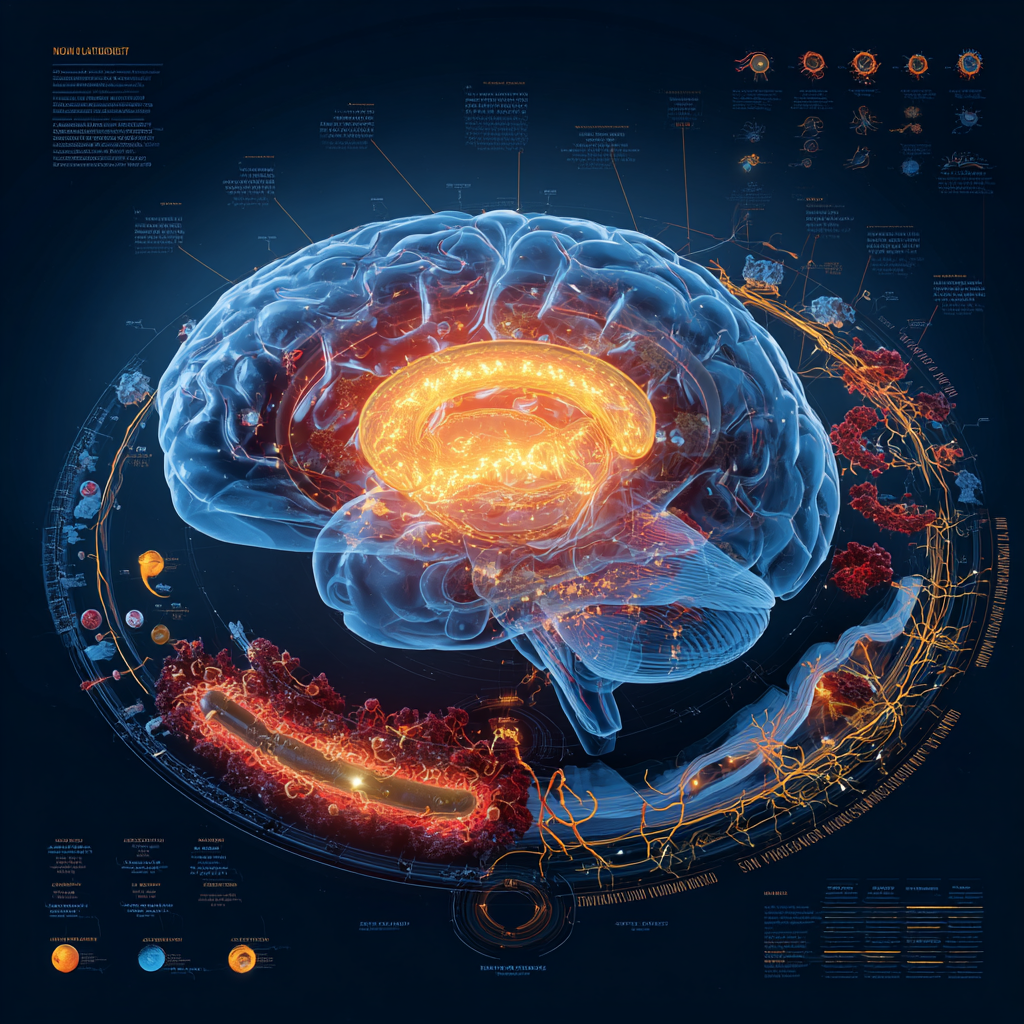
Figure 1. The Brain Energy Reset
explores one of the most overlooked aspects of healthy aging: the brain’s ability to generate and efficiently use energy. As we age, subtle declines in mitochondrial function, glucose metabolism, sleep quality, and stress resilience can contribute to brain fog, memory lapses, reduced focus, and accelerated cognitive aging. Yet emerging research suggests that these changes are not inevitable.
This framework examines how brain energy production influences neuroplasticity—the brain’s remarkable capacity to adapt, repair, and reorganize itself throughout life.
It highlights the interconnected roles of restorative sleep, stress regulation, physical activity, nutrition, and metabolic health in preserving cognitive performance and emotional well-being. Rather than focusing solely on disease treatment, The Brain Energy Reset emphasizes prevention and resilience.
By supporting the biological systems that fuel the brain, individuals may enhance mental clarity, protect long-term cognitive function, and promote healthier brain aging naturally across the lifespan.
For decades, conversations about brain aging focused almost exclusively on plaques, tangles, and the inevitable decline associated with getting older. Yet emerging research suggests that one of the earliest changes in aging brains may be far more fundamental: an energy crisis.
The human brain represents only about 2% of body weight, yet it consumes approximately 20% of the body’s total energy at rest. Every thought, memory, movement, and emotion depends upon a continuous supply of energy generated inside tiny cellular structures called mitochondria.
When brain energy production becomes impaired, cognitive performance may suffer long before traditional neurological diseases become apparent.
The Brain as an Energy-Hungry Organ
The brain never truly rests.
Even during sleep, billions of neurons maintain communication, consolidate memories, regulate hormones, and coordinate repair processes. This constant activity requires enormous amounts of ATP—the universal energy currency of cells.
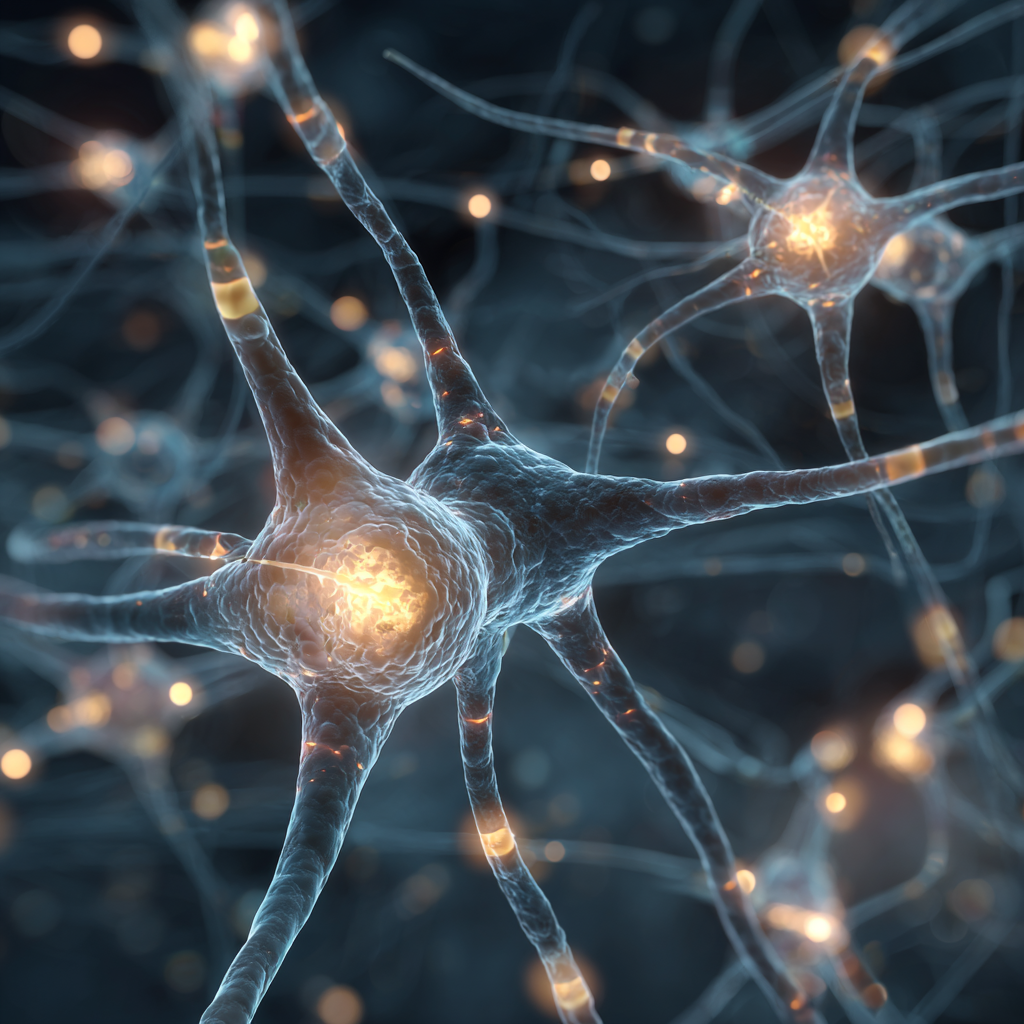
Figure 2. The Brain as an Energy-Hungry Organ
The brain never truly rests.
Although the brain represents only about 2% of total body weight, it consumes nearly 20% of the body’s energy supply. Every thought, memory, emotion, and movement depends on billions of neurons continuously generating and exchanging electrical signals. These processes require a constant flow of oxygen, glucose, and nutrients to sustain mitochondrial energy production within brain cells.
Even during sleep, the brain remains remarkably active—consolidating memories, regulating hormones, clearing metabolic waste, and restoring neural networks. When energy production becomes impaired by chronic stress, poor sleep, metabolic dysfunction, inflammation, or aging, cognitive performance may gradually decline, leading to brain fog, reduced focus, and diminished resilience.
Understanding the brain as an energy-demanding organ shifts the focus from treating symptoms to supporting the biological foundations of cognitive health. Protecting brain energy through lifestyle, nutrition, movement, stress management, and restorative sleep may help preserve neuroplasticity, mental clarity, and lifelong cognitive vitality.
Energy supports:
- Attention and concentration
- Memory formation
- Emotional regulation
- Decision-making
- Sensory processing
- Motor coordination
- Learning and adaptation
A disruption in energy supply can influence every aspect of brain function.
The Brain Energy Hypothesis
A growing body of research proposes that mitochondrial dysfunction and impaired energy metabolism may contribute to numerous neurological conditions, including:
- Age-related cognitive decline
- Mild cognitive impairment
- Depression
- Migraine
- Chronic fatigue
- Parkinson’s disease
- Alzheimer’s disease
Rather than viewing these conditions solely as isolated disorders, a systems-based perspective recognizes energy regulation as a common underlying factor.
What Reduces Brain Energy?
Multiple influences interact:
Aging
Mitochondria naturally become less efficient over time.
Poor Sleep
Sleep deprivation reduces glucose utilization and impairs waste clearance.
Chronic Stress
Elevated cortisol can disrupt mitochondrial function.
Insulin Resistance
The brain becomes less efficient at using glucose.
Inflammation
Inflammatory molecules interfere with neuronal signaling.
Physical Inactivity
Movement stimulates mitochondrial biogenesis.
Nutrient Deficiencies
The brain requires vitamins, minerals, fatty acids, and amino acids for optimal metabolism.
Early Signs of Brain Energy Decline
Many people dismiss subtle symptoms as normal aging:
- Brain fog
- Reduced focus
- Forgetfulness
- Mental fatigue
- Slower processing speed
- Decreased motivation
- Difficulty multitasking
These symptoms may represent opportunities for intervention.
The Systems-Based Perspective
The Brain Energy Reset emphasizes that brain health is not confined to the brain alone.
Brain function reflects the health of interconnected systems:
- Metabolic health
- Cardiovascular health
- Sleep quality
- Immune balance
- Gut microbiome function
- Physical activity
- Emotional resilience
Improving these systems may improve the brain’s energetic capacity.
Recovery Is Possible
The brain retains remarkable adaptability throughout life.
Through neuroplasticity and mitochondrial renewal, supportive lifestyle practices can strengthen cognitive resilience.

Figure 3 The brain retains remarkable adaptability throughout life.
For many years, scientists believed that the aging brain was fixed and incapable of meaningful change. Today, research in neuroplasticity tells a different story. The brain continuously forms new connections, strengthens existing pathways, and adapts in response to experience, learning, movement, and environmental influences throughout the lifespan.
Even after periods of chronic stress, poor sleep, metabolic imbalance, or cognitive decline, the brain possesses an extraordinary capacity for recovery and renewal. Healthy lifestyle practices—including regular physical activity, restorative sleep, stress reduction, social engagement, intellectual stimulation, and nutrient-rich nutrition—can support the biological processes that promote neural repair and resilience.
Recovery is rarely instantaneous, but small, consistent actions can gradually reshape brain function. Each healthy choice becomes a signal that encourages adaptation and strengthens cognitive reserve.
Rather than viewing aging as inevitable decline, this perspective offers hope: the brain remains dynamic, responsive, and capable of positive transformation. With the right support, improvement is possible at every stage of life.
The goal is not perfection.
It is creating conditions in which the brain can produce, utilize, and conserve energy more effectively.
Key Takeaways
Brain aging is not simply about chronological age.
Energy may be one of the central currencies of cognitive health.
Understanding how the brain generates and protects its energy provides a powerful foundation for maintaining mental clarity, resilience, and vitality throughout life.
Understanding brain energy is not merely an academic exercise—it is an invitation to take action. Small daily choices involving sleep, nutrition, movement, stress management, and mental engagement can profoundly influence how the brain functions over time. Continue exploring the Brain Energy Reset framework and discover how science-informed strategies may help support clarity, focus, and cognitive well-being throughout the years ahead.