
Sleep Is a Fat-Loss Strategy
Why Sleep Matters for Weight Loss
Sleep is one of the most overlooked factors in healthy weight management. While many people focus on calories and exercise, inadequate sleep can disrupt nearly every aspect of metabolism. Poor sleep has been linked to reduced insulin sensitivity, elevated cortisol levels, increased hunger and cravings for highly processed foods, lower exercise performance, and slower recovery. These changes make it more difficult to maintain healthy eating habits and sustain long-term fat loss. Improving sleep quality is often one of the simplest and most effective strategies for supporting metabolic health. Maintaining a consistent bedtime, getting morning sunlight, limiting screen exposure before bed, avoiding late-day caffeine, and creating a cool, dark sleep environment can all promote better rest. Better sleep helps your body regulate appetite, energy, and metabolism naturally—making healthy decisions easier without relying solely on willpower.

Sleep Is a Fat-Loss Strategy
Many people focus on calories while overlooking sleep. Yet sleep affects nearly every aspect of metabolism.
Poor sleep has been associated with:
- Reduced insulin sensitivity
- Higher cortisol
- Increased appetite and cravings
- Lower exercise performance
- Slower recovery
Helpful habits include:
- Keep a consistent bedtime
- Get morning sunlight
- Limit late-night screen use
- Avoid caffeine later in the day
- Sleep in a cool, dark room
Better sleep supports healthier metabolic decisions with less reliance on willpower.
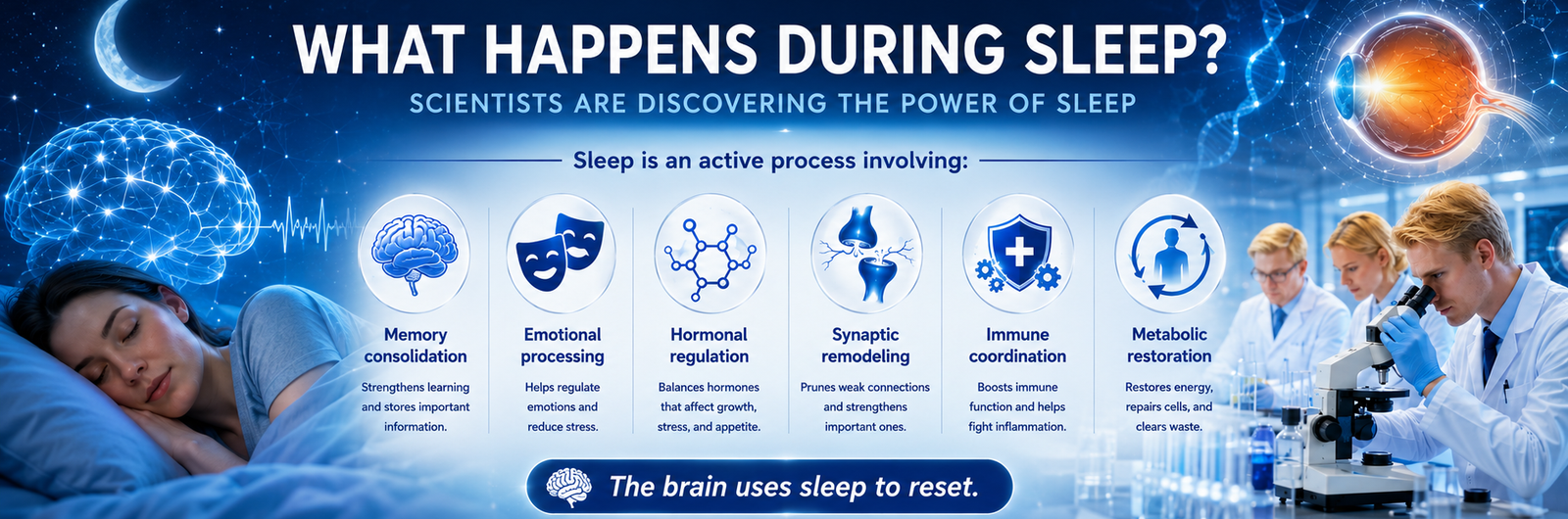

The Metabolic Science Behind Sleep and Fat Loss
Sleep is not simply a period of rest—it is one of the body’s most important metabolic regulators. During healthy sleep, the brain, endocrine system, autonomic nervous system, liver, skeletal muscles, adipose tissue, and gastrointestinal tract work together to maintain energy balance. This coordinated biological network determines how efficiently the body uses glucose, stores fat, regulates appetite, and recovers from daily metabolic stress.
When sleep is restricted, this network becomes disrupted. Insulin sensitivity declines, making it more difficult for cells to absorb glucose efficiently. At the same time, cortisol levels remain elevated, encouraging fat storage, particularly around the abdomen. Hormonal changes also alter appetite regulation: ghrelin, the hormone that stimulates hunger, increases, while leptin, the hormone that signals fullness, decreases. As a result, individuals often experience stronger cravings for calorie-dense, highly processed foods and consume more energy than needed.
Sleep deprivation also affects the brain’s reward pathways. Functional imaging studies suggest that inadequate sleep enhances activity in regions associated with food reward while reducing activity in the prefrontal cortex, the area responsible for self-control and decision-making. Consequently, resisting unhealthy food choices becomes biologically more difficult—not simply a matter of willpower.
Energy expenditure is also influenced by sleep quality. Poor sleep reduces exercise performance, lowers training intensity, delays muscle recovery, and may decrease lean muscle preservation. Because skeletal muscle is a major site of glucose disposal and energy utilization, impaired recovery can gradually reduce overall metabolic efficiency.
Healthy sleep supports synchronization of the circadian clock, allowing hormones, metabolism, and cellular repair processes to operate in harmony. Consistent sleep schedules, morning sunlight exposure, limiting evening blue-light exposure, reducing late-day caffeine intake, and maintaining a cool, dark sleeping environment all help restore circadian rhythms and improve metabolic regulation.
Within the UsUPTON Preventive Intelligence Framework™, sleep is recognized as a foundational metabolic intervention rather than merely a lifestyle habit. By optimizing sleep, individuals improve hormonal balance, insulin function, appetite regulation, recovery capacity, and long-term metabolic resilience. Better sleep creates a healthier biological environment where sustainable fat loss occurs naturally, making healthy choices easier while supporting lifelong health and longevity.
Continue Learning
• Sleep Blueprint
• Weight Loss Blueprint
• Understanding Insulin Resistance
• Biomarker Guide: Sleep Metrics