
What Is a Metabolism Reset?
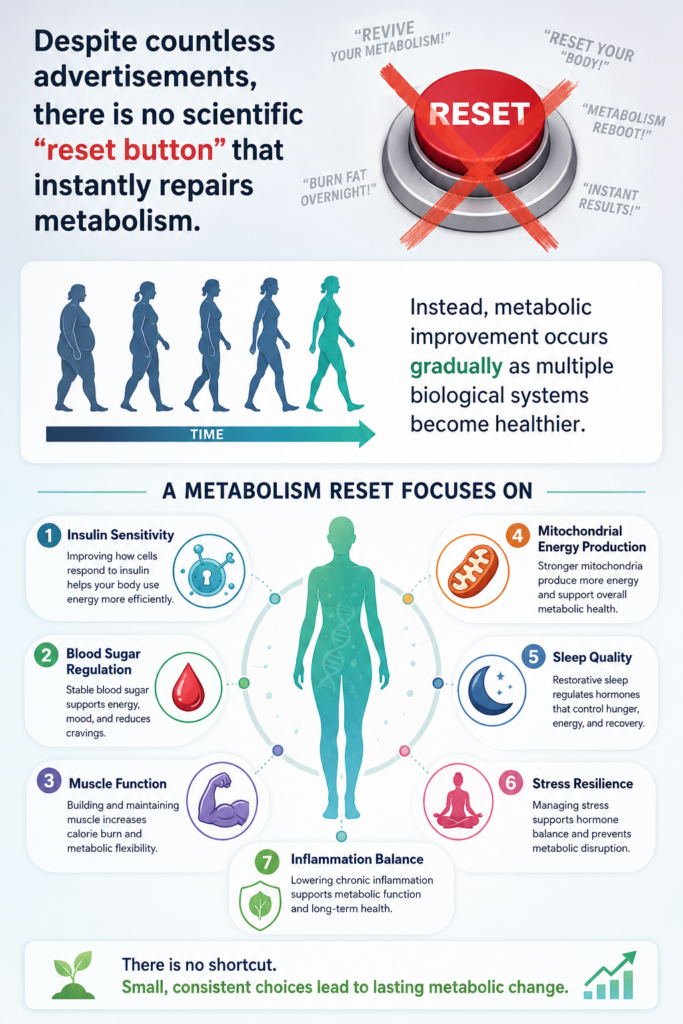
Figure 1. There Is No Instant Metabolism Reset
This illustration emphasizes that metabolism cannot be repaired by a single product or quick fix. Instead, metabolic health improves gradually through coordinated changes across multiple biological systems. Better insulin sensitivity, stable blood sugar regulation, healthy muscle function, efficient mitochondrial energy production, restorative sleep, effective stress management, and balanced inflammation work together to enhance metabolic resilience.
The figure highlights a systems-based perspective, demonstrating that sustainable metabolic improvement results from consistent lifestyle habits that strengthen the body’s interconnected physiological networks over time.
This figure illustrates that there is no scientific “reset button” capable of instantly restoring metabolic health. Rather than occurring through a single supplement, detox program, or short-term diet, metabolic improvement develops gradually as multiple biological systems function more efficiently.
Key contributors include improved insulin sensitivity, stable blood sugar regulation, healthy skeletal muscle, efficient mitochondrial energy production, restorative sleep, effective stress resilience, and balanced inflammatory responses. These interconnected processes enhance the body’s ability to produce energy, regulate hormones, and adapt to daily physiological demands.
The illustration reinforces a systems-based approach to metabolic health, emphasizing that long-term resilience is achieved through consistent lifestyle habits that strengthen the body’s integrated biological networks over time, rather than through quick fixes or isolated interventions.
There Is No Instant Metabolism Reset
The idea of a single “metabolism reset” has become increasingly popular in modern health marketing. Countless advertisements promise to reboot metabolism in just a few days through a special supplement, detox program, or restrictive diet. While these messages are appealing, they do not accurately reflect how human biology works. Metabolism is not controlled by a single switch that can be turned on or off. Instead, it is a highly interconnected biological network involving hormones, muscles, the liver, brain, gut microbiome, immune system, mitochondria, and nervous system, all working together to maintain energy balance and physiological stability.
Rather than an instant transformation, meaningful metabolic improvement develops gradually as these systems become healthier and communicate more effectively. Small, consistent lifestyle changes accumulate over time, allowing the body to restore metabolic flexibility, improve energy production, and better regulate blood glucose and hormones. This systems-based perspective emphasizes long-term resilience rather than short-term fixes.
One of the primary goals of metabolic improvement is enhancing insulin sensitivity. When cells respond efficiently to insulin, glucose can enter tissues more effectively, reducing the burden on the pancreas and supporting stable blood sugar levels. Improved insulin sensitivity is associated with healthier energy regulation, reduced metabolic stress, and a lower risk of developing chronic metabolic disorders.
Healthy blood sugar regulation is another essential component. Large fluctuations in blood glucose may contribute to fatigue, hunger, cravings, and reduced mental clarity. Consistent nutrition, regular physical activity, and adequate sleep help maintain more stable glucose levels throughout the day, supporting both physical performance and cognitive function.
Muscle function also plays a central role in metabolic health. Skeletal muscle is one of the body’s largest consumers of glucose and energy. Maintaining muscle mass through resistance training and regular movement improves glucose disposal, increases metabolic flexibility, and supports healthy aging. Strong muscles contribute not only to mobility but also to overall metabolic efficiency.
At the cellular level, mitochondria serve as the body’s primary energy-producing structures. Healthy mitochondrial function allows cells to generate ATP efficiently, supporting endurance, recovery, and organ performance. Regular exercise, balanced nutrition, and sufficient recovery all contribute to mitochondrial health.
Metabolism is also profoundly influenced by sleep quality and stress resilience. Poor sleep can disrupt hormones that regulate appetite, glucose metabolism, and energy balance, while chronic psychological stress activates hormonal pathways that may impair insulin sensitivity and promote inflammation. Establishing healthy sleep routines and effective stress-management strategies helps restore physiological balance across multiple systems.
Finally, maintaining inflammation balance is essential for long-term metabolic wellness. Although inflammation is a normal component of immune defense, persistent low-grade inflammation has been associated with metabolic dysfunction and accelerated biological aging. Lifestyle habits that include nutrient-dense foods, regular physical activity, restorative sleep, and emotional well-being help support a balanced inflammatory response.
Ultimately, a metabolism reset is not a single event but a continuous process of improving the health of interconnected biological systems. Sustainable metabolic wellness is built through consistent daily habits that strengthen the body’s natural capacity to produce energy, adapt to changing demands, and maintain long-term health.
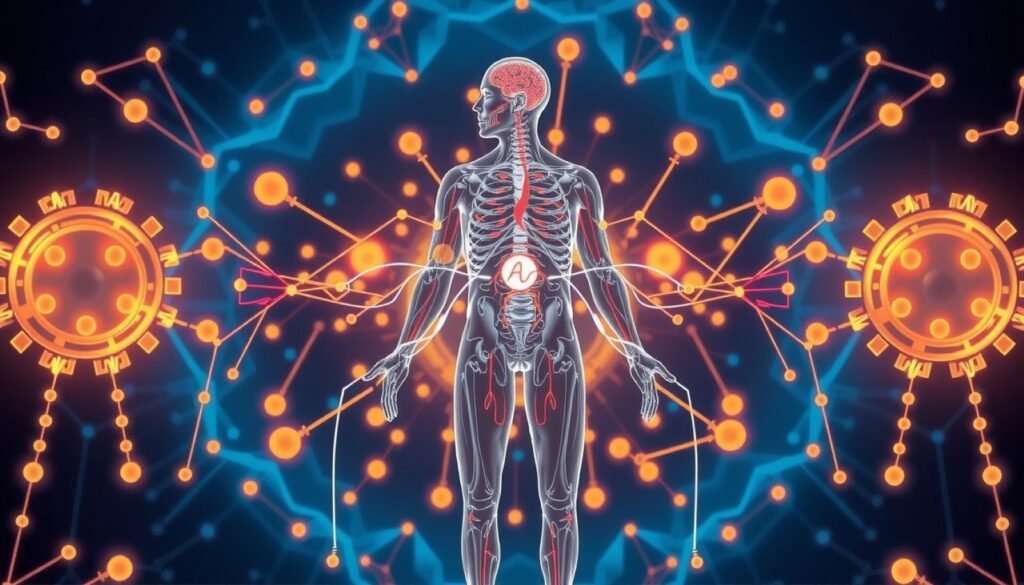
Figure 2. Human Metabolism as an Interconnected Biological Network
This illustration highlights metabolism as a dynamic communication network rather than an isolated biochemical process. The central human figure symbolizes the integration of the brain, nervous system, endocrine organs, immune system, muscles, and energy-producing tissues through continuous signaling pathways. These interconnected networks coordinate nutrient sensing, hormone regulation, energy production, and physiological adaptation to maintain homeostasis. The figure reinforces the principles of systems biology, demonstrating that metabolic health emerges from balanced interactions among multiple organs and regulatory pathways. When these networks function harmoniously, they support resilience, efficient energy metabolism, healthy aging, and long-term physiological well-being.
Despite countless advertisements, there is no scientific “reset button” that instantly repairs metabolism.
Instead, metabolic improvement occurs gradually as multiple biological systems become healthier.
A metabolism reset focuses on improving:
• Insulin sensitivity
• Blood sugar regulation
• Muscle function
• Mitochondrial energy production
• Sleep quality
• Stress resilience
• Inflammation balance
These systems constantly communicate through hormones and cellular signaling pathways.

Figure 3. Systems Neuroscience and the Connected Brain
This collection of illustrations presents the brain as the central coordinator of an interconnected biological network. Rather than functioning independently, the brain continuously exchanges information with the endocrine, immune, cardiovascular, metabolic, and sensory systems through complex neural and biochemical pathways. These multidirectional communication networks regulate cognition, memory, emotion, energy balance, and physiological adaptation while maintaining homeostasis. Together, the diagrams illustrate a systems neuroscience perspective, emphasizing that optimal brain health depends on the coordinated function of the entire body. Understanding these integrated networks provides a foundation for preventive medicine, cognitive resilience, and healthy brain aging.
As they become more efficient, many people experience:
More stable energy
Reduced cravings
Better appetite regulation
Improved exercise performance
More sustainable body composition changes
Rather than chasing quick fixes, the goal is to build a metabolism that works with your biology instead of against it.
Before choosing any weight management program, supplement, or diet plan, it helps to understand how the body’s metabolic systems actually work. Sustainable weight management is rarely determined by willpower alone—it reflects the coordinated interaction of the brain, hormones, muscles, gut microbiome, liver, immune function, mitochondria, sleep, nutrition, and daily lifestyle habits. Explore the science first, then evaluate which evidence-based strategies may best support long-term metabolic health rather than short-term weight loss.